
Side Dishes
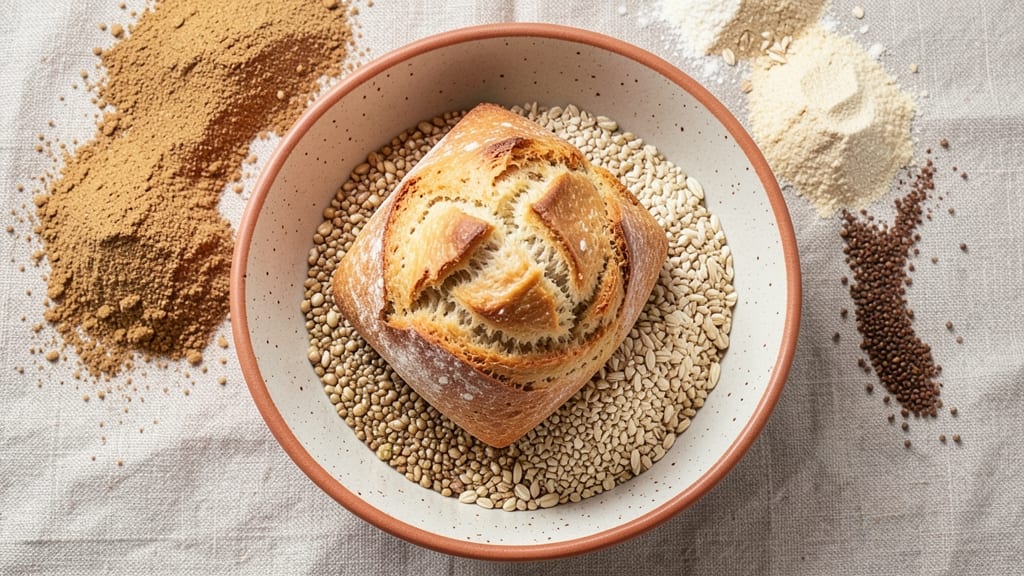
This 9-grain flour bread machine recipe transforms your kitchen into a rustic bakery with minimal effort—no yeast handling or long waits required. The secret lies in blending whole grains for a nutty depth and crispy crust that rivals artisanal loaves.
I perfected this method after years of experimenting with hydration levels and machine settings, ensuring consistent results every time.
What sets this recipe apart is the crusty exterior and tender crumb achieved by adjusting the bread machine's settings to "dough" mode first, then baking. The 9-grain blend—including whole wheat, rye, and barley—adds fiber and a satisfying nuttiness, while a touch of honey balances the earthy flavors.
The dough develops naturally in the machine, eliminating guesswork.
By the time your bread machine chimes, you'll have a loaf with a golden, crackling crust and a soft interior that's perfect for sandwiches or toast. The aroma alone makes it worth the wait, and the texture stays fresh for days when stored properly.
This is the kind of bread that makes homemade feel like a luxury.
For extra flavor, consider adding sunflower seeds or rosemary during mixing. If your machine has a "crust" setting, use it for maximum crispiness. Let's get started—your bread machine is about to earn its keep.
Ingredients for 9 grain flour bread machine
Nine whole grains, three liquids, and a touch of honey—your bread machine’s new favorite combination.
| Ingredient | Amount | Notes |
|---|---|---|
| Whole Wheat Flour 🌾 | 1 ½ cups | Stone-ground preferred for texture |
| Rye Flour 🌾 | ½ cup | Dark rye for robust flavor |
| Barley Flour 🌾 | ½ cup | Pearled or whole grain |
| Spelt Flour 🌾 | ½ cup | Lightly toasted for nuttiness |
| Oat Flour 🌾 | ½ cup | Blended from rolled oats |
| Buckwheat Flour 🌾 | ¼ cup | Rich, earthy flavor |
| Cornmeal 🌽 | ¼ cup | Fine grind for smooth texture |
| Milk 🥛 | 1 ¼ cups | Whole milk for richness |
| Water 💧 | ½ cup | Room temperature preferred |
| Honey 🍯 | 2 tbsp | Raw honey for depth |
| Active Dry Yeast 🍞 | 2 ¼ tsp | Ensure freshness with date check |
| Salt 🧂 | 1 ½ tsp | Diamond Crystal preferred |
| Olive Oil 🫒 | 1 tbsp | Extra-virgin for flavor |
| Sunflower Seeds 🌻 | ¼ cup | Optional for crunch |
The flours here are the heart of this recipe, so source them wisely. Bob’s Red Mill or King Arthur carry excellent pre-milled options, but if you’re grinding your own, toast the grains lightly before pulverizing for deeper flavor. Rye and buckwheat are non-negotiable for that rustic bite—don’t swap them for milder flours. For sunflower seeds, Kirkland Signature or Trader Joe’s brands are budget-friendly and stay fresh longer. The honey should be raw and unfiltered; Manuka or clover varieties add subtle floral notes. If you’re missing any grain, oat flour is the safest substitute (use equal parts), though it’ll dilute the nuttiness slightly.
No whole wheat flour? Substitute half with white whole wheat for a lighter crumb, but expect less fiber. Running low on rye? Swap in an extra 0.25 cup of barley flour—it mimics the chewiness. Olive oil out of stock? Avocado oil or melted coconut oil work in a pinch, though they lack the fruity depth. The yeast must be active dry; instant yeast won’t develop the dough properly in your machine. For extra flavor without extra grains, add 1 tsp rosemary or 0.5 tsp cinnamon during mixing. And if your machine lacks a crust setting, spray the loaf with water and bake 2 extra minutes for crispiness.
Store the flours in airtight containers in a cool, dark place for up to 6 months—freeze them for 12 months if you’re prepping ahead. The sunflower seeds keep for 6 months at room temperature, but toast them fresh for maximum crunch. Once baked, let the loaf cool completely before slicing—this prevents a gummy crumb. Wrap cooled loaves in beeswax wrap or a clean kitchen towel to retain moisture for 3-4 days. For longer storage, slice and freeze portions—3 months is the sweet spot. The crust stays crispy when reheated in a 350°F oven for 5 minutes, perfect for toast.
Why You'll Love This Recipe
- Set-and-Forget Magic: I dump the mix—whole wheat, rye, barley, spelt, oat—into my bread machine, hit start, and walk away. No kneading, no fuss, just a warm loaf waiting for me when I’m done. (Yes, even on a Tuesday night.)
- Nutty Earthy Crunch: That first bite? The rye and barley add a deep, toasty bite, while the spelt keeps it tender. Honestly, it’s the kind of bread that makes store-bought loaves taste bland—like comparing cardboard to a campfire.
- Meal Prep MVP: Slice it for toast, toast it for French toast, or pack it in sandwiches—this bread handles everything. I keep a batch in the freezer for lazy mornings, and it reheats like a dream. (My kids call it “the glue” because it sticks everything together.)
- Pantry Stretch: I use what I’ve got—no fancy ingredients, just whole grains I already have. It’s cheaper than buying specialty bread, and the leftovers last forever. Between us, this is how I feed my family without breaking the bank.
Step-by-step instructions for 9-Grain flour bread machine recipe
Here's how to transform these nutty flours into a perfectly crusty loaf with minimal effort.
Combine the Dry Ingredients Precisely
In a large mixing bowl, whisk together the 1.5 cups whole wheat flour, 0.5 cup rye flour, 0.5 cup barley flour, and 0.5 cup spelt flour until evenly distributed. This combination creates the bread's signature hearty texture and deep flavor profile. Add the 0.5 cup oat flour and 0.25 cup buckwheat flour, mixing until all the flours blend completely - you'll notice the buckwheat adds a distinctive earthy aroma.
Next, incorporate the 0.25 cup cornmeal and 1.5 tsp salt, whisking again to ensure even distribution. The cornmeal adds subtle sweetness and helps create that desirable crust. Set this mixture aside - we'll need it in the next step when we activate the yeast.
Activate the Yeast with Warm Liquid
In a separate bowl, combine the 1.25 cups milk (warmed to 110°F - it should feel warm to your touch but not hot) with the 0.5 cup water. Stir in the 2 tbsp honey until fully dissolved - this creates a gentle sweetness that helps activate the yeast. Add the 2.25 tsp active dry yeast and let the mixture sit for 5-10 minutes until it becomes frothy and bubbly.
This activation step is crucial - you'll know it's working when you see small bubbles forming on the surface. If it doesn't bubble after 10 minutes, your yeast may be inactive, and you'll need to start fresh with fresh yeast. The warm liquid should feel like bathwater temperature - too hot and you'll kill the yeast, too cold and it won't activate properly.
Mix the Dough in the Bread Machine
Add the yeast mixture to your bread machine pan, then pour in the 1 tbsp olive oil. Create a well in the center and add the dry flour mixture. Start the machine on the basic white bread setting - this gives us control over the kneading and baking times. The machine will begin kneading automatically, and you'll see the dough come together after about 5 minutes of mixing.
Here's where the magic happens: the machine will knead the dough for approximately 10 minutes until it forms a smooth, elastic ball that pulls away from the sides of the pan. If you notice the dough is too sticky after this time, sprinkle in 1 tablespoon of additional whole wheat flour - but don't overdo it, as this can make the bread dense.
Add the Sunflower Seeds and Final Kneading
Once the initial kneading is complete, use a spatula to gently fold in the 0.25 cup sunflower seeds. These will add delightful crunch to each slice - don't worry if they don't distribute perfectly, as the final kneading cycle will mix them through. The machine will continue kneading for another 5-7 minutes, developing the gluten that gives bread its structure.
Watch through the machine's window as the dough transforms from sticky to smooth. It should become glossy and elastic, pulling away cleanly from the sides. This final kneading is what creates the bread's airy texture - don't be tempted to peek too often, as the temperature fluctuations can affect the yeast activity.
Bake to Perfect Crust and Crumb
After the kneading completes, the machine will automatically begin the baking cycle. Let it run its course - this typically takes about 2-2.5 hours depending on your specific bread machine model. You'll know it's done when the bread has a deep golden-brown crust and sounds hollow when tapped on the bottom.
The aroma that fills your kitchen as it bakes will be irresistible - that nutty, toasty scent comes from the combination of all those different flours. When the cycle completes, remove the bread from the pan immediately and place it on a wire rack to cool for at least 30 minutes before slicing. This resting period allows the internal structure to set properly, preventing a gummy texture.
Pro Tips For Making 9 Grain Flour Bread Machine
- Weigh Your Flours: Whole wheat, rye, and oat flours absorb moisture differently, so ditch the volume measurements. Use a kitchen scale—1 cup of oat flour is heavier than 1 cup of spelt, and your dough will be off if you guess. I learned this after three dense, gummy loaves that looked more like hockey pucks than bread.
- Mix Flours First: Combine all your flours in the bread machine pan before adding liquids. This prevents clumping, especially with rye and barley flours, which can turn into cement if hydrated too early. Stir them together with a spoon—it takes 30 seconds but saves you from fighting a stubborn dough later.
- Skip the Extra Yeast: Nine-grain flours are heavy and dense, so they don’t need the extra yeast boost some recipes suggest. Stick to the amount listed for whole wheat—overdoing it makes the bread rise too fast, then collapse like a sad soufflé. Trust the process; these flours work, they just take their time.
- Add Honey or Oil: The high fiber in whole wheat and rye flours sucks up moisture fast, so toss in 1 tablespoon of honey or neutral oil (like canola) with the water. It keeps the dough from drying out mid-knead and gives you a lighter crumb. I was skeptical until I tried it—now I never skip it.
Serving suggestions for 9 grain flour bread machine
Classic Sandwich Pairings
This hearty 9-grain bread shines in grilled cheese sandwiches—try pairing it with sharp cheddar and apple slices for a sweet-savory combo. For lunch, layer with turkey breast, avocado, and honey mustard—the nutty crust holds up perfectly. I love adding sprouts or arugula for freshness. 🥪
Breakfast Toast Variations
Toast thick slices with butter and cinnamon for a cozy breakfast. Top with almond butter and banana slices or cream cheese and smoked salmon for a savory twist. The dense texture prevents sogginess—perfect for hearty morning meals. For extra flair, drizzle with maple syrup and crushed walnuts.
Soup and Salad Accompaniments
Serve warm slices alongside tomato basil soup or creamy lentil soup—the crust soaks up broth beautifully. For salads, tear into chunks over kale Caesar or quinoa bowls with roasted veggies. The bread’s texture contrasts perfectly with creamy dressings. 🥗
Dinner Rolls Upgrade
Replace store-bought rolls with this bread for meatloaf dinners or beef stews. The crust stays intact even with hearty sauces. For a gourmet touch, serve with duck confit or braised short ribs—the nutty flavor complements rich meats. Warm the bread slightly before serving for maximum aroma.
Dessert-Inspired Uses
Drizzle cooled slices with melted chocolate and sea salt for a quick dessert. Or, make French toast by soaking thick slices in egg custard and pan-frying until golden. The dense crumb absorbs syrups beautifully—perfect for brunch. For a savory-sweet twist, top with fig jam and goat cheese.
Garnishing and Presentation
Enhance any dish by sprinkling flaky sea salt or fresh herbs (like thyme or rosemary) on warm bread. For a rustic touch, serve with olive oil and balsamic glaze on the side. The bread’s natural nutty aroma makes it a showstopper—great for dinner parties or casual gatherings. 🌟
Nutrition facts
Frequently asked questions
Can I use all-purpose flour instead of the 9-grain blend?
While you can substitute 1-2 cups of all-purpose flour to simplify the recipe, you'll lose the signature nutty depth and fiber content. For best results, stick with at least 60% of the grain blend—try replacing 1 cup of all-purpose with a mix of whole wheat and rye for a compromise. The texture will be lighter but still hearty.
Why does my bread machine dough get too sticky?
This usually happens when the hydration level is too high or the gluten isn't developing properly. If your dough feels too wet after 10 minutes of kneading, sprinkle in 1 tablespoon of additional whole wheat flour and let the machine continue. For future batches, reduce water by 1 tablespoon or increase milk slightly—whole grain flours absorb moisture differently than white flour.
How do I get a crispier crust without a crust setting?
For maximum crustiness, transfer the baked loaf to a wire rack and immediately brush the top with melted butter or olive oil, then sprinkle with coarse sea salt. Place under a broiler for 2-3 minutes until golden brown. Alternatively, bake the loaf on a preheated 400°F baking sheet for the final 5 minutes of the cycle.
Can I make this bread without a bread machine?
Yes, but you'll need to adapt the process. Mix the dough by hand until sticky, then let it rise for 1-2 hours until doubled. Shape into a loaf and bake at 375°F for 35-40 minutes with a spray of water for steam. The texture will be slightly denser without the machine's kneading power, but still delicious. For best results, use a Dutch oven.
How long will this bread stay fresh?
Wrap cooled loaves tightly in beeswax wrap or aluminum foil and store at room temperature for 3-4 days. For longer storage, slice and freeze portions for up to 3 months. To revive frozen slices, warm in a 350°F oven for 5 minutes until crispy again. The crust stays fresh longer than most artisan breads!