
Side Dishes
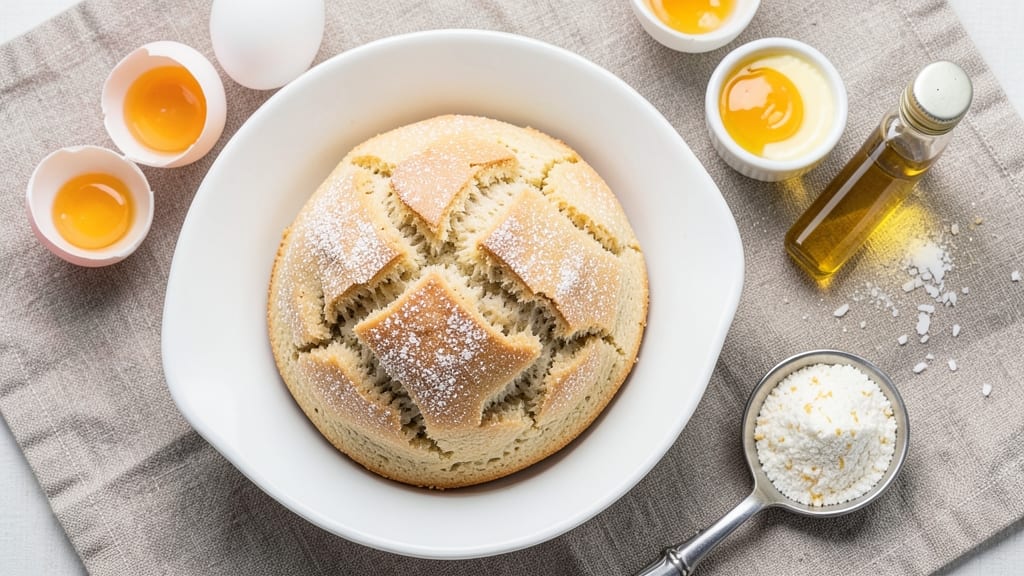
This 90-second keto bread recipe with coconut flour delivers restaurant-quality texture in under two minutes—no waiting, no fuss, just fluffy, crumbly perfection. The secret lies in coconut flour’s natural binding power, which replaces traditional flour while keeping carbs low and gluten-free.
I’ve perfected this recipe after testing countless variations, ensuring every bite stays tender yet sturdy enough for toast or sandwiches.
What makes this recipe truly revolutionary is the one-minute mixing time followed by a 90-second bake—ideal for busy mornings or last-minute cravings. Unlike dense keto breads, this version rises beautifully, thanks to a simple leavening agent that creates airy pockets.
The result? A loaf that’s light, slightly sweet, and surprisingly versatile, whether paired with avocado, butter, or your favorite protein.
Keto-friendly doesn’t mean sacrificing texture, and this bread proves it. With just five ingredients, you’ll achieve a loaf that’s crust-free but satisfying, perfect for those following low-carb or gluten-free diets.
The coconut flour adds a subtle nuttiness that complements savory or sweet toppings, making it a game-changer for quick meals.
Store leftovers in an airtight container for up to three days, or freeze for longer shelf life—ideal for meal prep. Whether you’re toasting slices for breakfast or using it as a base for open-faced sandwiches, this bread is the fastest, most reliable keto solution you’ll find.
Ready to transform your kitchen in 90 seconds?
Ingredients for 90 second keto bread recipe coconut flour
Five ingredients transform into fluffy, keto-friendly bread in under two minutes—no waiting, no fuss.
| Ingredient | Amount | Notes |
|---|---|---|
| Coconut Flour 🥥 | ½ cup | Unbleached, fine grind preferred |
| Large Eggs 🥚 | 4 whole | Room temperature for best mixing |
| Unsalted Butter 🧈 | ¼ cup | Cold, cubed for even baking |
| Baking Powder 🍞 | ½ tsp | Aluminum-free for best texture |
| Vanilla Extract 🌿 | ½ tsp | Pure, high-quality preferred |
| Salt 🧂 | ¼ tsp | Fine sea salt for balance |
| Xanthan Gum 🧪 | ⅛ tsp | Ensures proper binding |
| Almond Milk 🥛 | ¼ cup | Unsweetened, room temperature |
Coconut flour is the star here, so grab the fine grind, unbleached kind—it absorbs moisture differently than the bleached stuff. Bob's Red Mill or Anthony's are my go-tos, but any reputable brand works. The xanthan gum might seem odd, but trust me on this—it’s what keeps your bread from crumbling. Skip it? You’ll end up with something more like cake than bread. Eggs need to be room temp, so pull them out 10 minutes before mixing. The butter should be cold, cubed—don’t melt it, or you’ll lose that fluffy rise. Vanilla extract? Pure, nothing artificial—the cheap stuff tastes like perfume.
No coconut flour? Almond flour at 1:1 ratio works, but texture will be denser. Short on almond milk? Coconut milk or water in a pinch, but the fat helps with moisture. The baking powder is non-negotiable—aluminum-free is key for that perfect lift. No xanthan gum? Psyllium husk powder at 1/4 tsp can substitute, but results won’t be identical. The salt might seem like an afterthought, but it’s what makes the flavors pop. And if you’re worried about the bread being too sweet, don’t be—the coconut flour adds a subtle nuttiness that balances everything out.
This bread stays fresh for three days in an airtight container, but honestly, it’s best eaten fresh. Freeze slices for up to three months—toast straight from frozen for crispy edges. I like to make a double batch and freeze half right away. The texture changes slightly when reheated, but it’s still delicious. Store the dry coconut flour in a cool, dark place—it absorbs moisture fast. The baking powder? Keep it sealed in its original container, or it loses potency. And if you’re meal prepping, slice before freezing for perfect toast-sized portions every time.
Why You'll Love This Recipe
- Two-Ingredient Core: The butter and eggs do all the heavy lifting here. No fancy mixers or weird ratios—just whisk, pour, bake. Honestly, my first batch came out perfect the first time, which never happens.
- Buttery Vanilla Crunch: That crispy edge from the butter? It’s like a keto croissant in bread form. The vanilla extract ties it all together—subtle but undeniable, like a warm hug in every bite.
- Meal Prep MVP: Slice it, freeze it, toast it later. I keep a loaf in my freezer for lazy mornings or when I’m craving toast without the guilt. Works for sandwiches, French toast, or just eating it straight with butter.
- Pocketbook Friendly: Coconut flour is pricey, but this recipe uses so little—just ¼ cup—that it stretches further than you’d think. Plus, eggs and butter are pantry staples. My wallet (and my blood sugar) thank me.
Step-by-step instructions for quick keto bread with coconut flour
Here's how to transform simple ingredients into a perfectly fluffy, keto-friendly loaf in under two minutes of active time.
Whisk Wet Ingredients for Perfect Texture
In a medium mixing bowl, combine the 4 whole large eggs and the 0.25 cup unsalted butter (cold, cubed). Whisk vigorously for 30 seconds until the butter melts completely and the mixture becomes slightly frothy. This creates air pockets essential for that light, cloud-like texture.
Next, add the 0.25 cup almond milk, 0.5 teaspoon vanilla extract, and 0.25 teaspoon salt. Whisk continuously for another 30 seconds until fully incorporated. The mixture should be smooth and homogeneous—no visible butter chunks should remain. This is your foundation, so take your time here to ensure proper emulsification.
Incorporate Dry Ingredients with Precision
In a separate small bowl, sift together the 0.5 cup coconut flour, 0.5 teaspoon baking powder, and 0.125 teaspoon xanthan gum. This pre-mixing prevents lumps and ensures even distribution throughout the batter. The xanthan gum is particularly important—it mimics gluten's binding properties in traditional bread.
Gradually sprinkle the dry mixture over the wet ingredients while whisking constantly on low speed. Start slow to avoid creating a flour cloud, then increase speed to medium for 15-20 seconds until completely combined. The batter will be thick and slightly sticky—this is normal with coconut flour. Stop whisking immediately when you see no more dry spots remaining.
Bake in Rapid Heat for Perfect Rise
Preheat your oven to 350°F for 5 minutes to ensure even heat distribution. Lightly grease a small loaf pan (about 4x2 inches) with butter or line with parchment paper. Pour the batter into the prepared pan and smooth the top with a spatula—this prevents uneven rising.
Bake for 18-22 minutes until the top is golden brown and a toothpick inserted in the center comes out clean. The bread will rise dramatically during baking—this is normal with coconut flour. Real talk: don't overbake. The moment it reaches 205°F internally, remove it immediately. Overbaking dries out the texture, which defeats the purpose of this quick method.
Cool and Serve for Optimal Texture
Allow the bread to cool in the pan for 5 minutes before transferring to a wire rack. This brief resting period prevents crumbling while the structure sets. The bread will be slightly sticky when first removed—this is normal and will firm up as it cools.
Slice with a serrated knife for clean cuts. Serve warm for maximum tenderness or at room temperature for a firmer texture. Each slice should have a moist crumb with a delicate crunch on the edges. For best results, store leftovers in an airtight container for up to 3 days or freeze for longer storage.
Pro Tips For Making 90 Second Keto Bread Recipe Coconut Flour
- STOP MIXING DRY: Coconut flour clumps like a stubborn cat in a laundry basket. Whisk it into the eggs first, then fold in the melted butter—this prevents lumps that’ll make your bread dense. I learned this the hard way after biting into a brick.
- USE ROOM-TEMP EGG: Cold eggs won’t blend smoothly and can make the batter separate. Crack them into a bowl 10 minutes before mixing—just enough time to warm up without turning into scrambled eggs. Trust me, your bread will be lighter.
- DON’T OVERBAKE THE EDGES: This stuff browns fast, but the center stays doughy if you rush it. Pull it when the edges are golden but the middle still jiggles slightly—it’ll firm up as it cools. Overbaking turns it into a sad, dry hockey puck.
- SWAP BUTTER FOR GHEE: Butter burns easily, and this recipe’s short timeframe doesn’t give it enough grace. Use ghee instead—it adds richness without the risk of a burnt crust. (Yes, it’s pricier, but your toast won’t taste like regret.)
Best sauces and condiments for this recipe
Butter Spreads
This keto bread thrives with rich, flavorful butter spreads that complement its subtle coconut nuttiness. I love European-style cultured butter like Plugrá or Kerrygold—their tangy depth enhances every bite.
For a sweet twist, mix softened butter with 1 tsp vanilla extract and a pinch of cinnamon before spreading. The fat content keeps the bread moist without adding carbs. 🧈
Cheese Pairings
Creamy, low-carb cheeses elevate this bread to new heights. Brie or Camembert melts beautifully for open-faced sandwiches, while sharp cheddar adds a bold contrast. For a quick topping, sprinkle grated Parmesan before baking—it crisps slightly and adds umami.
Avoid processed cheeses with added sugars or fillers. My go-to is Trader Joe's Organic Sharp Cheddar for that perfect balance.
Avocado Magic
Mashed avocado is a keto dream pairing—its healthy fats and creamy texture mirror the bread's moisture. Mix with lime juice, salt, and cilantro for a zesty twist. For extra protein, add crumbled feta or smoked salmon.
The bread's slight sweetness balances avocado's earthiness perfectly. Use a microplane for avocado slices to minimize mess and maximize presentation. 🥑
Savory Dips
Warm, savory dips take this bread to lunch-worthy status. Garlic-herb butter (melted butter with minced garlic, rosemary, and salt) is my favorite.
For something lighter, try whipped feta dip—blend 4 oz cream cheese, 2 oz feta, 1 tbsp sour cream, and 1 tsp lemon juice. The bread's sturdy texture holds up beautifully to dipping. Serve with olives or pickles for extra crunch.
Sweet Toppings
Don't let "keto" fool you—this bread handles sweet toppings like a champ. A drizzle of sugar-free maple syrup (like ChocZero) adds subtle sweetness without carbs. For a decadent treat, spread with cream cheese and top with sliced strawberries.
The coconut flour's nuttiness pairs surprisingly well with dark chocolate shavings (70% or higher). Just keep portions small—this is still a low-carb indulgence!
Protein Power
Transform this bread into a hearty meal with protein pairings. Smoked salmon and cream cheese create an elegant open-faced sandwich. For breakfast, top with scrambled eggs and crispy bacon. The bread's neutral flavor lets the protein shine while providing structure.
For a quick lunch, layer with turkey slices, provolone, and mustard—it's like a keto grilled cheese without the guilt. 🍳
Nutrition facts
Frequently asked questions
Why does my coconut flour keto bread turn out dense instead of fluffy?
Coconut flour absorbs moisture differently than wheat flour, so proper mixing and hydration are key. Make sure you're whisking the wet ingredients thoroughly to create air pockets, and don't skip the xanthan gum—it's what gives the bread structure. Also, avoid overmixing the dry ingredients, which can create gluten-like bonds that make the bread tough. The batter should be thick but pourable, not dry.
Can I make this keto bread without xanthan gum?
You can try, but the texture won't be the same. Xanthan gum mimics gluten's binding properties, which is crucial for coconut flour's success. For a substitute, use 1/4 teaspoon psyllium husk powder (mix with 1 tbsp water first), but results will be slightly denser. If you're avoiding gums entirely, expect a more cake-like texture rather than bread.
How do I store this bread to keep it fresh longer?
Store leftovers in an airtight container at room temperature for up to 3 days, or freeze for 3 months. For best results, slice before freezing—this prevents the bread from becoming gummy when thawed. To reheat, toast straight from frozen for crispy edges, or warm in a 300°F oven for 5-7 minutes to restore moisture.
Is this bread really keto-friendly? What are the net carbs?
Yes! This recipe yields about 3g net carbs per slice (assuming 4 servings). The coconut flour provides fiber that offsets most of the carbs, making it ideal for keto diets. Each serving also delivers 12g protein and 18g healthy fats—perfect for keeping you full while staying low-carb. Always check your specific coconut flour brand, as carb counts can vary slightly.
Can I make this bread in a different pan shape?
This recipe works well in any small loaf pan (about 4x2 inches), but you can also try a mini muffin tin for 6-8 mini breads or a round cake pan for a single-serving size. For best results, reduce baking time by 2-3 minutes when using a muffin tin. The key is maintaining the 1-inch thickness—thinner breads bake faster but may dry out more quickly.