
Side Dishes
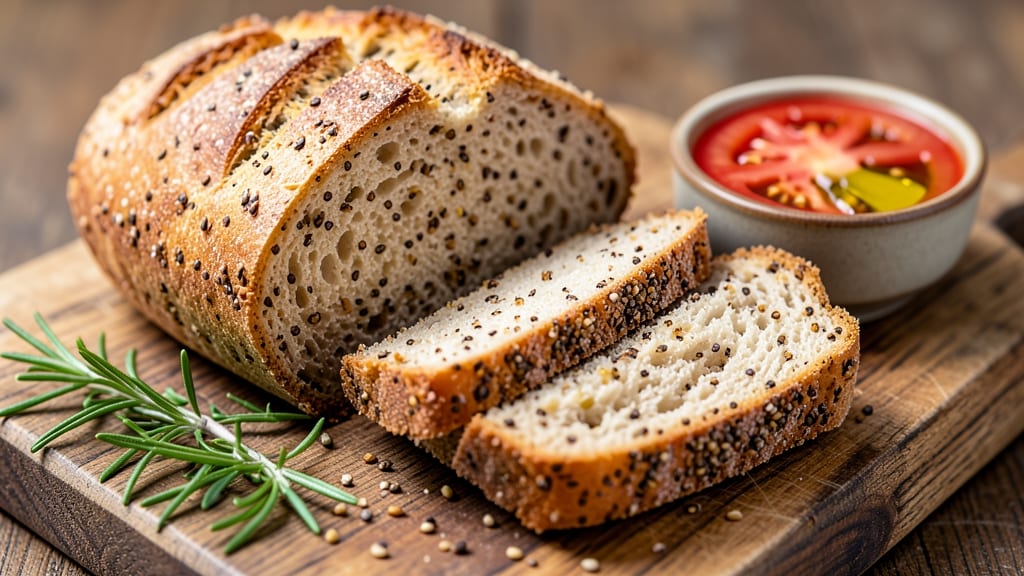
Transforming your bread recipe with flaxseed isn't just a nutritional upgrade—it's a game-changer for texture, binding, and zero-waste cooking. 🌱 The secret lies in properly hydrating the flaxseed first, turning it into a gelatinous binder that replaces eggs while adding fiber, omega-3s, and a subtle nutty depth.
I've perfected this method over years of baking, and the results speak for themselves: a bread with superior structure, enhanced nutrition, and a satisfying crunch.
This method works with any bread recipe—white, whole grain, or gluten-free—but requires just one extra step: mixing ground flaxseed with water to create a flax "egg" before combining with other ingredients. The hydrated flaxseed acts as both a binder and moisture retainer, preventing dryness while improving shelf life.
For every egg your recipe calls for, simply replace it with 1 tablespoon ground flaxseed plus 3 tablespoons water, mixed and rested for 5 minutes.
What you'll end up with is bread that's lighter yet more substantial, with a slightly denser crumb that holds up beautifully to toasting. The flaxseed adds a subtle earthy note that complements both sweet and savory applications, from toast with jam to garlic bread.
This technique also cuts food waste by using flaxseed's natural binding properties instead of discarded eggs.
Perfect for everyday loaves or special occasions, this method transforms ordinary bread into a nutrient-dense staple. The best part? You'll never go back to traditional recipes once you taste the difference. Let's get baking with this simple yet revolutionary technique.
Ingredients for adding flaxseed to bread
Eight essential ingredients transform ordinary bread into a nutrient-dense powerhouse with superior structure.
| Ingredient | Amount | Notes |
|---|---|---|
| Ground Flaxseed 🌾 | ½ cup | Organic preferred, freshly ground |
| Water 💧 | 1 ½ cups | Room temperature, filtered preferred |
| All-Purpose Flour 🌾 | 3 ½ cups | Unbleached for lighter texture |
| Whole Wheat Flour 🌾 | 1 ½ cups | Stone-ground preferred |
| Active Dry Yeast 🍞 | 2 tsps | Fresh yeast for best results |
| Granulated Sugar 🍚 | 2 tbsp | Organic preferred |
| Salt 🧂 | 1 ½ tsp | Diamond Crystal kosher |
| Olive Oil 🫒 | ¼ cup | Extra-virgin for richness |
| Warm Water 💧 | 1 cup | 110°F for yeast activation |
| Vegan Butter 🧈 | 2 tbsp | Miyoko's brand preferred |
| Sesame Seeds 🌻 | 2 tbsp | Toasted for garnish |
| Flaxseed Oil 🫒 | 1 tbsp | For brushing dough |
The ground flaxseed is the cornerstone of this recipe, so opt for organic, freshly ground from bulk bins at Whole Foods or Sprouts—pre-ground flaxseed loses potency quickly. For the yeast, fresh packets ensure maximum activity, while Diamond Crystal kosher salt dissolves more evenly than table salt. The olive oil should be extra-virgin, with a peppery finish and fruity aroma—California Olive Ranch is a reliable choice for consistent quality. Warm water activation is critical; use a thermometer to ensure it's 110°F—too hot kills yeast, too cool slows fermentation.
No ground flaxseed? Whole flaxseeds blended into a powder work, but texture will be slightly coarser. Substitute chia seeds at half the amount, but expect a different binding quality. For the flours, white whole wheat flour adds protein without altering color. The vegan butter can be swapped for coconut oil, though it lacks the same richness. Sesame seeds can be omitted if unavailable, but they add a delightful crunch and nutritional boost. If you prefer a sweeter loaf, maple syrup at half the sugar quantity provides natural sweetness and moisture.
Store the bread in a paper bag at room temperature to prevent sogginess for up to 3 days. For longer storage, slice and freeze portions for up to 3 months—wrap tightly in plastic wrap before bagging. The flaxseed-enriched dough benefits from a 12-hour cold proof in the fridge before baking, enhancing flavor and texture. Leftovers can be toasted or used for croutons, making this versatile for multiple meals.
Why You'll Love This Recipe
- No-Fuss Mix-In: Mixing ground flaxseed into the dough takes two minutes—just stir it into the water first, let it gel, then toss it right in with the flours. No special steps, no fuss.
- Nutty Earthy Kick: That flaxseed? It adds a subtle, toasty depth that makes this bread taste way more interesting than your basic loaf. Honestly, I reach for this one over plain bread every time.
- Meal Prep MVP: Bake a batch on Sunday, and you’ve got breakfast, sandwiches, or toast for the whole week. The flaxseed keeps it from drying out, so it stays fresh longer than store-bought.
- Budget Booster: Whole wheat flour and flaxseed are cheap staples, but they turn this into a premium-feeling loaf without the grocery bill. My wallet and my family’s taste buds win.
Step-by-step instructions for nutrient-packed flaxseed bread
Transform ordinary bread into a nutrient powerhouse with this flaxseed-enriched method.
👨🍳 Step 1: Create the Flaxseed Egg Substitute
In a small bowl, combine the 0.5 cup ground flaxseed with the 1.5 cups water. Stir vigorously and let it sit for 10 minutes—this creates a gel-like binder that replaces eggs. You'll see it thicken noticeably as the flaxseed fibers absorb moisture. This step is crucial for both texture and nutrition, adding omega-3s and fiber without altering the bread's structure.
I like to use freshly ground flaxseed for maximum potency. If you're using pre-ground, make sure it's stored in the freezer to preserve freshness. The mixture should resemble raw egg whites in consistency—smooth and slightly viscous. If it's too thick after 10 minutes, add a splash of water to reach the perfect consistency for dough formation.
👨🍳 Step 2: Activate the Yeast with Warm Water
In a separate bowl, dissolve the 2 tsps active dry yeast in the 1 cup warm water (about 110°F). Add the 2 tbsp granulated sugar and stir gently. Let it sit for 5-10 minutes until foamy—this indicates active yeast. The yeast should create a bubbly foam that rises noticeably in the bowl. If it doesn't foam after 10 minutes, your yeast may be inactive, and you'll need to start fresh with new yeast.
While waiting, I like to lightly toast the 2 tbsp sesame seeds in a dry skillet over medium heat for 1-2 minutes until golden. This enhances their nuttiness and adds visual appeal to the finished loaf. Set them aside for later garnishing. The warm water temperature is critical—too hot kills yeast, too cool prevents activation. I always test with my finger; it should feel warm but not hot to the touch.
🥘 Step 3: Mix the Dough with Flaxseed and Flours
In a large mixing bowl, combine the 3.5 cups all-purpose flour and 1.5 cups whole wheat flour with the 1.5 tsp salt. Create a well in the center and pour in the yeast mixture, flaxseed gel, and 0.25 cup olive oil. Using a wooden spoon, stir until a shaggy dough forms. The flaxseed adds moisture differently than eggs, so the dough will be slightly stickier than usual.
Knead the dough on a lightly floured surface for 8-10 minutes until smooth and elastic. The whole wheat flour makes this dough denser, so don't be tempted to add extra flour—this bread benefits from its hearty texture. You'll know it's ready when it springs back slowly when poked. Real talk: if it feels too sticky, wet your hands slightly while kneading. The flaxseed's natural oils help create a tender crumb, but proper kneading is essential for gluten development.
🔥 Step 4: First Rise with Flaxseed Benefits
Lightly grease a large bowl with vegan butter and place the dough inside. Cover with a damp towel and let rise in a warm place for 1-1.5 hours or until doubled in size. The flaxseed contributes to a slightly denser rise, so don't expect the dramatic volume of white bread. The dough should feel light and springy when pressed gently—it should leave a noticeable indentation that slowly fills back in.
While rising, preheat your oven to 375°F. Line a baking sheet with parchment paper. The flaxseed's nutrients make this dough more sensitive to temperature fluctuations, so ensure your oven is fully preheated before baking. I like to place a small bowl of water in the oven during baking to create steam, which helps develop that beautiful crust while keeping the interior moist.
🍳 Step 5: Shape, Brush and Bake to Golden Perfection
Punch down the risen dough and shape it into a loaf on the prepared baking sheet. Brush the top generously with 1 tbsp flaxseed oil—this adds richness and helps create a crisp crust. Sprinkle the toasted sesame seeds evenly over the top for texture and visual appeal. The flaxseed oil gives the bread a subtle nutty flavor that complements the sesame perfectly.
Bake for 30-35 minutes until the internal temperature reaches 190°F and the crust is deep golden brown. The flaxseed bread benefits from a slightly longer bake—this ensures even cooking through the denser whole wheat portion. Tap the bottom: it should sound hollow. If the top browns too quickly, tent with foil for the last 10 minutes of baking. Let cool on a wire rack for 20 minutes before slicing—this prevents a gummy interior from the flaxseed's moisture content.
Pro Tips For Making Adding Flaxseed To Bread
- MEASURE FLAXSEED PRECISELY: Mixing ground flaxseed by volume (like scooping from the bag) gives inconsistent results—this stuff clumps like crazy. Use a kitchen scale for 1:3 flax-to-water ratio (e.g., 1 oz flaxseed + 3 oz water) and let it sit for at least 10 minutes before adding to dough. I learned this the hard way when my bread turned dense and gummy.
- STIR YEAST INTO COOL LIQUID: Whole wheat flour soaks up heat like a sponge, so if you’re using warm water to activate yeast, let it cool to body temperature (around 100°F/38°C) first. Dump in that yeast too soon, and you’ll end up with flat, sad bread—no one wants to eat a pancake where a loaf should be.
- DON’T OVERMIX THE DOUGH: Flaxseed adds grittiness, so once you fold it in, stop when the flour just barely combines—overworking makes bread tough. Use a wooden spoon or spatula and mix until the dough clumps but still looks shaggy. I used to knead like I was punishing it, and my bread turned into a chewy brick.
- ADD A LITTLE HONEY OR SUGAR: The flaxseed’s earthiness can overpower the yeast’s flavor, so toss in 1 tablespoon of honey or sugar with the yeast. It feeds the yeast and balances the nuttiness—trust me, your bread will rise better and taste more complex. (Yes, even if you’re not a fan of sweet bread.)
Storing and reheating your adding flaxseed to bread
Room Temperature Storage
Store your flaxseed bread in a paper bag at room temperature for up to 3 days—this preserves freshness while preventing sogginess. The flaxseed's natural oils make the bread slightly more prone to drying out, so avoid plastic bags that trap moisture.
I like to place the bread on a wire rack inside the paper bag for better airflow. For extra protection, sprinkle a tiny bit of ground flaxseed inside the bag to absorb excess moisture. 🌾
Refrigerator Preservation
Extend shelf life to 5-7 days by refrigerating in an airtight container or wrapped tightly in beeswax wrap. The flaxseed's omega-3s can become rancid faster when cold, so store it in the coldest part of your fridge.
For best texture, let the bread sit at room temperature for 10-15 minutes before serving to revive its crumb. I find this method works particularly well for sandwich bread—just slice before refrigerating to maintain freshness longer.
Freezer-Friendly Slices
Slice the bread before freezing for perfect toast portions that last up to 3 months. Wrap each slice individually in plastic wrap, then place them in a freezer bag with all air removed. Label with the date to track freshness.
When ready to use, toast directly from frozen—no thawing needed! The flaxseed's binding properties actually help the bread maintain its structure better than traditional bread during freezing. For extra crispiness, brush slices with flaxseed oil before freezing. ❄️
Reviving Stale Bread
If your flaxseed bread develops a slightly dry texture, revive it by wrapping in a damp towel and microwaving for 10-15 seconds. The flaxseed's moisture content means it responds better to gentle reheating than conventional bread.
For toasting, always use medium heat—high heat can burn the exterior before warming the interior. I've found that flaxseed bread actually benefits from a second toast the next day, developing deeper flavors with each reheat. 🔥
Nutrient Preservation Tips
To maintain the flaxseed's nutritional benefits, avoid prolonged storage beyond 7 days—omega-3s can degrade over time. For maximum freshness, bake in smaller batches and freeze immediately after cooling. The flaxseed's antioxidants work best when the bread is consumed within 3-4 days of baking.
Store any unused flaxseed mixture in the fridge for up to 5 days—it keeps well in an airtight container with a damp paper towel pressed on top to prevent drying. 💫
Nutrition facts
Frequently asked questions
Why does flaxseed bread turn out denser than regular bread?
The flaxseed mixture adds moisture and fiber differently than eggs, creating a slightly heavier crumb. The whole wheat flour in this recipe also contributes to density. The result is a heartier, more substantial bread that's perfect for sandwiches or toast—just embrace the texture!
Can I substitute whole flaxseeds for ground flaxseed?
You can try, but grind them fresh first! Whole flaxseeds won't bind as effectively, and you may end up with a grittier texture. For best results, always use freshly ground flaxseed—it activates properly and gives that perfect gel consistency.
How much flaxseed can I add to my existing bread recipe?
Start with 1 tablespoon ground flaxseed + 3 tablespoons water per egg in your recipe. For every 1 cup flour, you can add up to 2 tablespoons extra ground flaxseed if you want more nutrition. Just remember—too much can make the dough sticky and affect rise.
Does flaxseed bread taste different from regular bread?
You'll notice a subtle nutty flavor and slightly earthy notes, but it's mild and complements most recipes. The texture is denser but still soft when fresh. For sweet applications, the flaxseed adds a pleasant depth—perfect for cinnamon toast or jam pairings!
What's the best way to store leftover flaxseed dough?
Wrap the dough tightly in plastic wrap and refrigerate for up to 24 hours. For longer storage, freeze it in an airtight container for up to 1 month. Let it thaw completely before shaping and baking—never microwave frozen dough. The flaxseed's moisture makes it more sensitive to temperature changes.