
Side Dishes
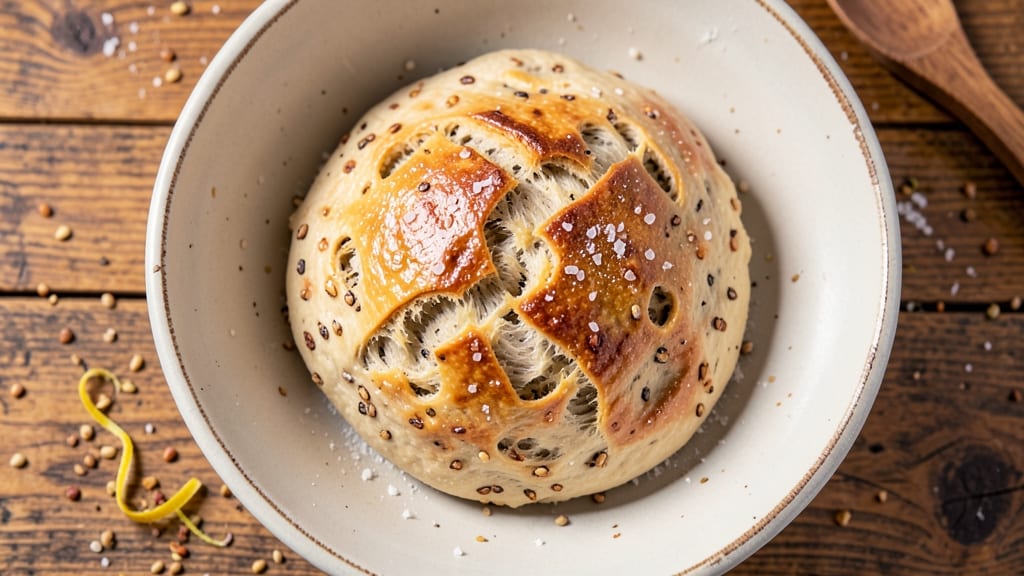
Adding spelt flour to your bread recipe unlocks a world of nutty depth and delicate crumb structure that wheat simply can't match. This ancient grain brings a subtle sweetness and satisfying chew that elevates even the simplest loaves—perfect for those seeking both nutrition and superior texture.
The key lies in understanding spelt's unique properties: it absorbs moisture differently and requires precise hydration to avoid dense results.
What makes this recipe work is the careful balance of spelt flour with traditional wheat (typically 30-50% substitution) to maintain structure while enhancing flavor. The dough develops a lighter crumb with visible pockets when baked properly, and the crust develops a beautiful golden hue with a hint of caramelization.
For best results, use a mix of whole and white spelt flour to achieve both texture and digestibility benefits.
By the time your bread emerges from the oven, you'll have a loaf with an open, airy crumb and that signature nutty aroma that lingers long after slicing. The flavor profile is complex—earthy yet sweet, with a satisfying bite that makes every slice memorable.
This technique works equally well for sandwich bread, rolls, or even dinner rolls, each benefiting from spelt's unique qualities.
For those new to spelt baking, start with a 30% substitution ratio and adjust based on your preferred texture. The recipe maintains traditional bread-making steps but includes specific hydration adjustments and fermentation times tailored to spelt's characteristics. Let's create bread that's as nutritious as it is delicious.
Ingredients for adding spelt flour to bread
Ancient grain meets modern baking—these ingredients craft bread with nutty depth and airy crumb.
| Ingredient | Amount | Notes |
|---|---|---|
| Spelt Flour (White) 🌾 | 1 ½ cups | Milled fresh for optimal texture |
| Spelt Flour (Whole) 🌾 | ½ cup | For enhanced digestibility |
| All-Purpose Wheat Flour 🌾 | 1 cup | Balances spelt's moisture absorption |
| Instant Yeast 🍞 | ½ tsp | Ensures reliable fermentation |
| Honey 🍯 | 1 tbsp | Enhances spelt's nutty flavor |
| Salt 🧂 | 1 ½ tsp | Diamond Crystal preferred |
| Whole Milk 🥛 | 1 cup | Full-fat for optimal hydration |
| Olive Oil 🫒 | 2 tbsp | Extra-virgin for richness |
| Water 💧 | ¾ cup | Room temperature preferred |
| Eggs 🥚 | 1 whole | Enhances crumb structure |
| Cornmeal 🌽 | 2 tbsp | For golden crust development |
Spelt flour demands precision: Bob’s Red Mill or King Arthur are reliable brands for both white and whole varieties. The white spelt provides structure while whole spelt adds digestibility and flavor complexity. For best results, mill fresh if possible—pre-ground flour loses vitality within weeks. The wheat flour acts as a stabilizer, preventing overly dense results from spelt's higher protein content. Store spelt flour in an airtight container to prevent rancidity, and use within 3 months for optimal performance.
No spelt flour? Einkorn flour offers similar benefits, though with slightly different hydration requirements. Substitute 1:1 by weight, but increase water by 10% to compensate for its higher absorption rate. For the honey, agave nectar works in a pinch, though it lacks the subtle floral notes that complement spelt's earthiness. The milk can be swapped for whole oat milk, but expect a slightly denser crumb. For those avoiding dairy, unsweetened almond milk works, though the bread may require an additional 5 minutes in the oven to achieve proper browning.
This dough benefits from a 12-hour cold fermentation in the refrigerator, which enhances flavor development and improves digestibility. Store the baked loaf in a bread box or sealed plastic bag to maintain freshness for up to 5 days. For longer storage, freeze slices wrapped in parchment paper for up to 3 months. The cornmeal crust develops best when baked on a preheated stone or in a Dutch oven—this technique creates that coveted caramelized exterior while maintaining an open, airy interior.
Why You'll Love This Recipe
- No-Knead, No-Fuss Magic: I swear by this dough—just mix, wait, and bake. The spelt blend (white + whole) handles all the heavy lifting while I’m scrolling or watching TV. Instant yeast means no waiting for starters, and that honey? It keeps the crust golden without extra effort.
- Nutty, Sweet Crust: Between us, this bread tastes like a bakery secret. The whole spelt adds a faint nutty depth, while the honey caramelizes into a crisp shell that’s almost too pretty to eat. (I’ve been known to sneak bites straight from the pan.)
- Weeknight + Picnic Hero: This loaf is my go-to for sandwiches, toast, or even crumbled over salads. The spelt’s lighter texture holds up better than dense whole wheat, and it freezes beautifully—so I bake two and thank myself later.
- Budget-Friendly Staple: Spelt flour might sound fancy, but using half white and half whole cuts costs way less than buying pre-made artisan bread. Plus, a single batch stretches into toast, croutons, or breadcrumbs—meaning less waste and more flavor for my dollar.
Step-by-step instructions for spelt flour bread with nutty crunch
Here's how to transform spelt flour into a tender, nutty loaf with a light crumb—every detail matters.
Combine Dry Ingredients for Optimal Texture
In a large mixing bowl, whisk together the 1.5 cups spelt flour (white), 0.5 cup spelt flour (whole), 1 cup all-purpose wheat flour, 0.5 tsp instant yeast, and 1.5 tsp salt. The spelt flours add depth while the all-purpose flour balances moisture absorption—this blend prevents a gummy crumb. Sift the mixture lightly to aerate the flours, breaking up any lumps and creating tiny air pockets that will develop during kneading.
I like to press the mixture through a fine-mesh sieve directly into the bowl to ensure even distribution of the whole spelt flour, which can be denser. This step also prevents gluten development before hydration, giving us more control during kneading.
Hydrate and Incorporate Wet Ingredients
Create a well in the center of the dry ingredients and add the 1 cup whole milk, 2 tbsp olive oil, 1 tbsp honey, and 1 whole egg. The honey not only sweetens but also enhances the spelt's nutty flavor while providing gentle fermentation support. Using a wooden spoon or rubber spatula, gradually incorporate the wet ingredients until a shaggy dough forms.
Add the 0.75 cup water next—this is critical for proper hydration. Spelt flour absorbs moisture differently than wheat flour, so don't rush this step. The dough should be tacky but not sticky enough to cling to your fingers. If it feels too dry, add 1 teaspoon water at a time until it reaches the perfect consistency.
Develop Gluten Through Proper Kneading
Turn the dough onto a lightly floured surface and knead for 8-10 minutes until smooth and elastic. With spelt flour, you'll notice the dough is slightly denser than wheat-based dough, but it should still spring back when poked. I press down firmly during the first few minutes to strengthen the gluten strands—this prevents a dense crumb later.
Kneading develops the gluten network that traps gas during fermentation. For spelt bread, aim for a dough that's slightly softer than traditional wheat bread dough. If it feels too stiff, add 1 teaspoon olive oil to improve extensibility. Once properly kneaded, the dough should be silky smooth with no cracks.
First Rise for Flavor Development
Shape the dough into a round loaf and place it in a lightly greased bowl. Cover with a damp kitchen towel and let rise in a warm place (75-78°F) for 1-1.5 hours, or until doubled in size. Spelt dough rises more slowly than wheat dough, so be patient—this longer fermentation enhances flavor complexity.
I like to test readiness by gently pressing two fingers into the dough. If the indentation remains rather than springing back immediately, it's ready. The slow rise also allows the honey to caramelize slightly, deepening the bread's flavor profile. Don't exceed 2 hours of rising time or the dough may overproof.
Shape, Score, and Bake for Perfect Crust
Preheat your oven to 375°F and line a baking sheet with parchment paper. Sprinkle 2 tbsp cornmeal evenly on the parchment—this creates the signature golden crust. Transfer the risen dough to the prepared sheet, shape it into an oval loaf, and let it rest for 10 minutes to relax the gluten.
Score the top with a sharp razor or knife in a decorative pattern. This prevents over-expansion during baking and creates an appealing crust. Bake for 35-40 minutes until the internal temperature reaches 190°F and the crust turns a deep golden brown. The bread should sound hollow when tapped on the bottom.
Cool and Enjoy the Nutty Crunch
Remove the bread from the oven and transfer it to a wire rack to cool completely. Spelt bread continues to set as it cools, so resist the temptation to slice it immediately. The interior should be tender with a slight crumb, while the crust remains crisp with a subtle nutty aroma.
For best results, allow the bread to cool for at least 1 hour before slicing. The contrast between the crisp crust and tender crumb makes this spelt bread truly special—each slice delivers that ancient grain's nutty complexity with every bite.
Pro Tips For Making Adding Spelt Flour To Bread
- Mix the flours first: Spelt flour—especially whole—absorbs moisture faster than wheat. Weigh your white and whole spelt flours together before adding liquid, then stir in the all-purpose flour last. This keeps your dough from turning into glue right in the bowl.
- Use honey sparingly: Honey feeds yeast fast, but too much can make your bread gummy. Start with 1 tablespoon per 500g flour, then adjust—if the dough rises too quickly, it’ll collapse. I learned this the hard way after a batch of sad, dense loaves.
- Knead just until smooth: Spelt dough is stickier than wheat dough. Over-kneading develops gluten but also makes the bread tough. Stop when the surface springs back cleanly—about 8-10 minutes by hand. A food processor with a dough blade cuts time, but don’t pulse it to death.
- Let it proof longer: Spelt’s lower gluten means it needs extra time to rise. If your dough isn’t doubling in 1.5–2 hours at room temp, it’s not lazy—it’s the spelt. Use a warm spot (like a turned-off oven with a bowl of hot water inside) to speed it up, but don’t rush it. Patience here makes the difference.
Troubleshooting your adding spelt flour to bread
Dense Dough Fix
If your spelt dough feels too dense after kneading, it's likely due to insufficient gluten development or incorrect hydration. First, check your water content—spelt flour absorbs 10-15% more moisture than wheat flour.
If the dough feels dry, add 1 teaspoon water at a time until it reaches a tacky but not sticky consistency. For extra elasticity, knead for an additional 2-3 minutes while adding ½ teaspoon olive oil to lubricate the gluten strands. 🌾
Poor Rise Issues
Spelt dough often rises more slowly than wheat dough, but if it fails to double in size, your yeast may be inactive or the environment too cold. Ensure your yeast is fresh (test it in warm water with sugar—it should foam within 5 minutes).
Place the dough in a warm spot (75-78°F) and cover it with a damp towel to trap moisture. If using whole spelt flour, expect a 20-30% longer rise time due to its higher fiber content.
Gummy Crumb Problem
A gummy crumb typically means over-hydration or under-kneading. Reduce your water by 1-2 tablespoons next time and knead for 10-12 minutes to fully develop gluten. For extra insurance, let the dough rest for 10 minutes after shaping before baking—this allows excess moisture to redistribute.
If the crumb is still too moist, try increasing your oven temperature to 390°F for the last 5 minutes of baking to evaporate excess steam.
Pale Crust Solutions
The cornmeal crust technique is key for that golden hue, but if your bread turns out pale, try these fixes: Preheat your oven for at least 30 minutes to ensure it reaches 375°F consistently.
Brush the loaf with 1 egg wash (1 egg + 1 tbsp water) before baking, or sprinkle 1 tablespoon coarse sugar on top for caramelization. For even better results, bake on a preheated baking stone or in a Dutch oven to trap heat and promote browning.
Flat or Collapsed Loaf
A flat loaf usually means the dough overproofed or the oven wasn't hot enough. To prevent this, shape your dough into a round boule instead of an oval loaf—this shape holds gas better. Place the dough on a parchment-lined baking sheet and score it deeply before baking to control expansion.
If using a Dutch oven, bake the loaf upside down for the first 15 minutes to encourage even rising. Always preheat your oven thoroughly to avoid temperature fluctuations. 🔥
Storage and Staling
Spelt bread stales faster than wheat bread due to its higher moisture content. To extend freshness, store it in an airtight container with a slice of apple (the ethylene gas slows staling).
For longer storage, freeze the bread in 1-inch slices wrapped in plastic wrap—this prevents freezer burn and maintains texture. When reheating, wrap slices in a damp paper towel and warm in a 350°F oven for 5-7 minutes to restore crispness.
Nutrition facts
Frequently asked questions
Can I substitute spelt flour 1:1 for all-purpose wheat flour?
Not recommended! Spelt flour absorbs 10-15% more moisture than wheat flour, so replace only 30-50% of your wheat flour with spelt initially. For every 1 cup of spelt flour, reduce other liquids by 1-2 tablespoons to prevent a gummy crumb. Start with a 50/50 blend of white and whole spelt flour for balanced texture and nutrition.
Why does my spelt bread taste bitter?
Bitter flavors often come from overcooked flour or yeast that's too old. Always use freshly milled spelt flour (pre-ground loses vitality in 2-3 weeks) and test your yeast in warm water with sugar—it should foam within 5 minutes. For extra flavor control, add 1 tbsp honey or maple syrup to the dough to balance any bitterness.
How does spelt flour affect fermentation time?
Spelt dough typically ferments 20-30% slower than wheat dough due to its higher fiber content. Plan for 1.5-2 hours of first rise (vs. 1 hour for wheat) at 75-78°F. For whole spelt flour, extend fermentation to 2-3 hours to develop full flavor. Cold fermentation (12 hours in fridge) enhances digestibility and depth of flavor.
What's the best way to store spelt flour?
Store spelt flour in an airtight container in a cool, dark place (like your pantry) to prevent rancidity. For longer freshness (6+ months), freeze the flour in 1-cup portions wrapped in plastic wrap. Whole spelt flour goes rancid faster than white—use within 3 months of milling. Keep it away from heat sources and strong odors.
Can I make spelt bread without yeast?
Yes! For a sourdough spelt loaf, replace yeast with 1 cup active sourdough starter (fed and bubbly). The fermentation process will be slower (6-12 hours at room temp), but you'll get a tangy depth of flavor. For quick breads, use 1 tsp baking soda + 1 tbsp vinegar per 2 cups flour—this creates lift through chemical reactions rather than yeast.