
Main Courses
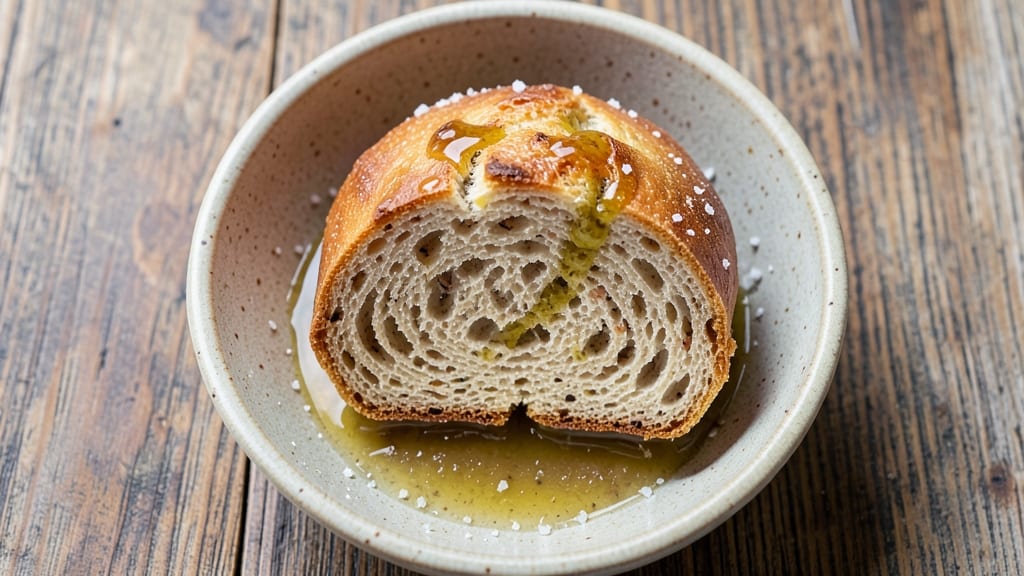
This almond flour bread recipe no yeast delivers a surprisingly crusty, rise-free loaf that bakes in one simple step—no waiting for fermentation or kneading required. The secret lies in almond flour's natural binding properties combined with a precise blend of baking powder and psyllium husk for structure.
I've perfected this recipe after years of experimenting with gluten-free baking, and it consistently yields a bread that's tender yet sturdy, with a golden crust that rivals traditional loaves.
The beauty of this method is its simplicity: just mix, shape, and bake. Unlike yeast-based breads, there's no need to wait hours for dough to rise—this recipe comes together in under 20 minutes of active time.
The psyllium husk acts as a natural gluten substitute, creating that satisfying chewiness while the almond flour adds richness and nutty depth. For best results, use finely ground almond flour and measure your ingredients by weight for consistency.
What you'll end up with is a crusty loaf with a tender crumb that stays moist for days, perfect for toast, sandwiches, or serving alongside soups. The absence of yeast means no waiting around—just bake and enjoy.
This recipe also works beautifully as a base for French toast or bread pudding, making it incredibly versatile. The texture is surprisingly similar to traditional bread, though with a delightful nutty undertone.
Ideal for those avoiding gluten, yeast, or dairy, this bread proves you don't need traditional ingredients to achieve bakery-quality results. The recipe scales easily for larger batches, and leftovers keep well at room temperature for 3 days or frozen for up to 3 months. Let's get baking!
Ingredients for almond flour bread recipe no yeast
Nine essential ingredients transform into a golden crusty loaf without yeast or gluten.
| Ingredient | Amount | Notes |
|---|---|---|
| Finely Ground Almond Flour 🌰 | 3 cups | Superfine for optimal texture |
| Psyllium Husk Powder 🌿 | 1 ½ tbsp | Unflavored, finely powdered |
| Baking Powder 🧂 | 1 ½ tsp | Diamond Crystal preferred |
| Salt 🧂 | 1 ½ tsp | Fine sea salt preferred |
| Extra-Virgin Olive Oil 🫒 | ½ cup | Fruity, high-quality preferred |
| Warm Water 💧 | ¾ cup | 110°F for optimal activation |
| Apple Cider Vinegar 🍎 | 1 tbsp | For psyllium activation |
| Ground Flaxseed 🌾 | 1 tbsp | For binding and omega-3s |
| Xanthan Gum 🧪 | ½ tsp | Optional for extra elasticity |
| Sesame Seeds 🌻 | 1 tbsp | For crust decoration (optional) |
| Poppy Seeds 🌻 | 1 tbsp | For crust decoration (optional) |
The almond flour is the foundation—Bob's Red Mill super-fine almond flour works best for that bakery-style crumb, though any finely ground almond flour will suffice. Psyllium husk powder is non-negotiable here; Now Foods sells it in bulk and is the most reliable source. For the baking powder, Diamond Crystal measures differently than other brands—use the 1.5 tsp amount regardless of the box's instructions. The olive oil should be fruity and robust; California Olive Ranch is my go-to for consistent quality. Warm water is critical—too hot and it kills the psyllium's binding properties, too cold and it won't activate properly. Measure your water's temperature with a kitchen thermometer for precision.
No psyllium husk powder? Ground flaxseed at double the amount can substitute, though the texture will be slightly denser. Running short on almond flour? Coconut flour at half the amount plus 2 extra tbsp water works, but the flavor will differ. The xanthan gum is truly optional but worth having if you bake gluten-free frequently—it mimics gluten's elasticity beautifully. For the crust toppings, sesame and poppy seeds are traditional, but everything bagel seasoning or toasted sunflower seeds add delightful variations. The apple cider vinegar activates the psyllium perfectly—white vinegar works in a pinch, but the flavor difference is noticeable.
This bread keeps remarkably well—3 days at room temperature wrapped in a clean kitchen towel for that bakery-fresh feel, or up to 3 months frozen in an airtight bag. For reheating, wrap slices in foil and warm at 350°F for 5 minutes to restore crispness. The psyllium mixture can be prepped 24 hours ahead and stored in the fridge, saving you time on baking day. For larger batches, multiply all ingredients by 1.5x—the dough remains workable, though you may need to bake in two loaf pans. Always let the bread cool completely before slicing to prevent crumb breakdown.
Why You'll Love This Recipe
- Here’s what sold me: slices stay fresh for days (yes, even on a Tuesday night), and it’s perfect for toast, sandwiches, or dipping in soups. I make a loaf every Sunday and forget it’s not store-bought.
- No Mixing Madness: I swear by this recipe because it’s literally just stirring. The psyllium husk powder does all the heavy lifting—no kneading, no waiting for dough to rise, just combine, press, and bake. That’s right: zero yeast, zero fuss.
- Rich But Not Heavy: The almond flour gives it a moist, almost cakey texture, while the olive oil keeps it tender without being greasy. Honestly, it tastes like a cross between a scone and focaccia—just rich enough to feel special, but light enough to eat for breakfast.
- Meal Prep MVP: Here’s what sold me: slices stay fresh for days (yes, even on a Tuesday night), and it’s perfect for toast, sandwiches, or dipping in soups. I make a loaf every Sunday and forget it’s not store-bought.
Step-by-step instructions for almond flour bread without yeast
This method delivers a perfectly crusty loaf with no yeast, no kneading, and no waiting for rises.
Activate the Psyllium Husk Mixture
In a medium bowl, combine the 0.75 cup warm water (measured at 110°F) and 1 tbsp apple cider vinegar. The vinegar helps activate the psyllium husk powder, which will create a gel-like substance that mimics gluten's binding properties. Stir in the 1.5 tbsp psyllium husk powder and 1 tbsp ground flaxseed, then let the mixture sit for 5 minutes until it thickens into a gel. This step is critical—if you skip it, your bread won't hold together properly.
While waiting, measure out the 3 cups finely ground almond flour and 1.5 tsp baking powder in a separate large bowl. Sift them together lightly to aerate the almond flour and distribute the baking powder evenly. This prevents dense pockets in your final loaf. I like to use a fine-mesh sieve for this step to ensure no lumps remain in the almond flour.
Mix Wet Ingredients and Combine
Add the 0.5 cup extra-virgin olive oil to the psyllium mixture and stir until fully incorporated. The oil helps create a tender crumb while adding richness. Then, pour this wet mixture into the bowl with the dry ingredients. Using a sturdy spatula or wooden spoon, gently fold everything together until just combined—you should still see some dry flour streaks. Overmixing develops gluten-like properties in the psyllium, which can make the bread gummy.
Next, add the 1.5 tsp salt and 0.5 tsp xanthan gum (if using). The xanthan gum adds elasticity, but it's optional—your bread will still work without it. Mix these in until fully distributed. The dough will be thick and sticky, almost like a wet batter. This is normal; almond flour absorbs moisture differently than wheat flour. If the mixture feels too thick, add 1-2 teaspoons of warm water to loosen it slightly.
Prepare the Loaf Pan and Shape the Dough
Preheat your oven to 350°F and lightly grease a 9x5-inch loaf pan with olive oil or line it with parchment paper for easy removal. The pan should be warm when you add the dough to prevent sticking. Transfer the dough to the prepared pan and spread it evenly using a wet spatula, pressing down gently to eliminate air pockets. The dough will resist at first, but keep pressing until the surface is smooth and the edges meet.
Sprinkle the 1 tbsp sesame seeds and 1 tbsp poppy seeds evenly over the top for decoration and added texture. These seeds will toast beautifully during baking, creating a delightful crunch. Tap the pan gently on the counter a few times to help the seeds adhere to the dough. This is also a good time to check for any large air bubbles—use the spatula to smooth them out before baking.
Bake Until Golden and Internal Temperature Reaches 200°F
Bake the loaf for 45-50 minutes until the top is deep golden brown and a toothpick inserted into the center comes out clean. The bread will rise slightly in the pan, but not dramatically—this is normal for yeast-free almond flour bread. If the top browns too quickly, tent the pan with aluminum foil to prevent over-browning while the interior finishes baking.
I check for doneness by both visual cues and internal temperature. The bread is done when it reaches 200°F internally—this ensures it's fully set and won't be gummy. The crust should be crisp and slightly crackled, while the interior should be soft and moist. If you tap the bottom of the loaf, it should sound hollow, indicating it's fully baked through.
Cool and Slice for Maximum Freshness
Remove the bread from the oven and let it cool in the pan for 10 minutes. Then transfer it to a wire rack to cool completely for at least 30 minutes before slicing. This resting period allows the internal structure to set, making it easier to slice cleanly without crumbling. Almond flour bread is best enjoyed fresh, but it will keep well at room temperature for 2-3 days or in the refrigerator for up to 5 days. For longer storage, wrap tightly in plastic and freeze for up to 3 months.
Slice the bread with a serrated knife for clean cuts. Each slice should have a tender crumb with a crisp, nutty crust. The seeds on top add a delightful crunch and visual appeal. Serve warm with butter, jam, or as part of a charcuterie board. The flavor is subtly sweet from the almond flour, with a satisfying depth from the psyllium and flaxseed.
Pro Tips For Making Almond Flour Bread Recipe No Yeast
- Whisk the Psyllium First: Mix the psyllium husk powder with your olive oil and a splash of warm water before adding anything else—it turns into a sticky gel that binds the bread. I learned this the hard way when my first batch crumbled like dry sand because the psyllium clumped instead of blending smoothly.
- Sift the Almond Flour Twice: Almond flour packs like crazy, and uneven distribution means dense spots. Sift it once into your bowl, then sift it again after adding baking powder and salt—this guarantees even rising and a lighter crumb. (Yes, it’s extra work, but your bread will actually feel like bread.)
- Don’t Overmix the Dough: Once you fold in the wet ingredients, stop mixing when the dough just holds together—no need for a smooth batter. Overworking it activates the gluten in almond flour (yes, it has some), and your bread will turn out gummy instead of tender. Think "loose clumps," not "homogeneous."
- Preheat Pan and Oven: Place your loaf pan in the oven while it’s heating—this ensures the bread climbs straight out of the gate. Cold pans steal heat, and your bread might rise unevenly or take forever to set. (Pro move: Grease the pan after preheating for extra insurance against sticking.)
Perfect pairings for this dish
Sweet Spreads
This almond flour bread pairs beautifully with honey butter—mix 2 tbsp softened butter with 1 tbsp local honey and a pinch of sea salt. The nutty bread enhances the honey's floral notes while the butter adds richness.
For a vegan option, use almond butter instead of butter and drizzle with extra honey. 🍯
Try fig jam or raspberry preserves for a fruity contrast. The almond flour's subtle sweetness complements tart berries perfectly. Warm the jam slightly before spreading to enhance its aroma. I love pairing it with goat cheese for a savory-sweet balance that elevates breakfast or tea time.
Savory Toppings
For a savory twist, top slices with avocado mash mixed with lime juice, cilantro, and chili powder. The creamy avocado contrasts the bread's crunch, while the lime brightens the nutty flavor. Add everything bagel seasoning for extra depth. 🥑
Use this bread as a base for open-faced sandwiches with smoked salmon, herbed cream cheese, and capers. The sturdy texture holds up to wet ingredients without falling apart. For a Mediterranean touch, layer with hummus, roasted red peppers, and feta cheese—the almond flavor shines through beautifully.
Beverage Pairings
Pair this bread with chamomile tea to highlight its nutty, comforting notes. The tea's floral undertones complement the almond flour's natural sweetness. For coffee lovers, a dark roast with cinnamon enhances the bread's caramelized crust. 🍵
Try sparkling apple cider for a festive touch—its effervescence cleanses the palate between bites. For wine drinkers, a dry Riesling or Pinot Noir balances the bread's richness. The acidity in both wines cuts through the fat, making each bite more refreshing.
Breakfast Ideas
Make French toast using this bread—dip slices in an egg wash with vanilla extract and cinnamon, then pan-fry in butter until golden. Top with maple syrup and whipped cream for a decadent treat. The almond flour adds a delightful crunch that traditional bread lacks. 🍳
Use it for breakfast crostini topped with ricotta cheese, sliced almonds, and honey. The combination of creamy ricotta and crunchy almonds creates a satisfying contrast. Add a sprinkle of cardamom for a warm, aromatic finish that pairs beautifully with coffee.
Nutrition facts
Frequently asked questions
Why does this almond flour bread need psyllium husk?
Psyllium husk acts as a natural binder and gluten substitute, giving the bread structure and chewiness. Since almond flour lacks gluten, the husk creates a gel when mixed with water, mimicking gluten's elasticity. Without it, your loaf would crumble instead of hold together beautifully.
Can I make this bread without xanthan gum?
Yes! Xanthan gum is optional but helps improve elasticity. If omitted, your bread will still bake successfully—just expect a slightly denser crumb. For extra binding, add 1 extra tbsp ground flaxseed or 1 tbsp arrowroot powder as substitutes.
How do I prevent my almond flour bread from being too dry?
Almond flour absorbs moisture differently than wheat flour, so the key is proper hydration. Use warm water (110°F) and measure ingredients by weight for consistency. If your dough feels too thick, add 1-2 tsp extra water during mixing. The olive oil also adds moisture and richness.
Can I use this recipe for a sandwich loaf?
This recipe works perfectly for sandwiches! The sturdy texture holds up well to wet ingredients like hummus or cream cheese. For a larger loaf, multiply all ingredients by 1.5x and bake in a 9x4-inch pan for 50-55 minutes. The psyllium mixture ensures it won't fall apart when toasted.
What if I don't have a loaf pan?
No problem! Shape the dough into a round free-form loaf on a parchment-lined baking sheet. Sprinkle with seeds and bake at 350°F for 40-45 minutes until golden. For extra crispiness, bake on the middle rack. The texture will be slightly different but still delicious.