
Desserts
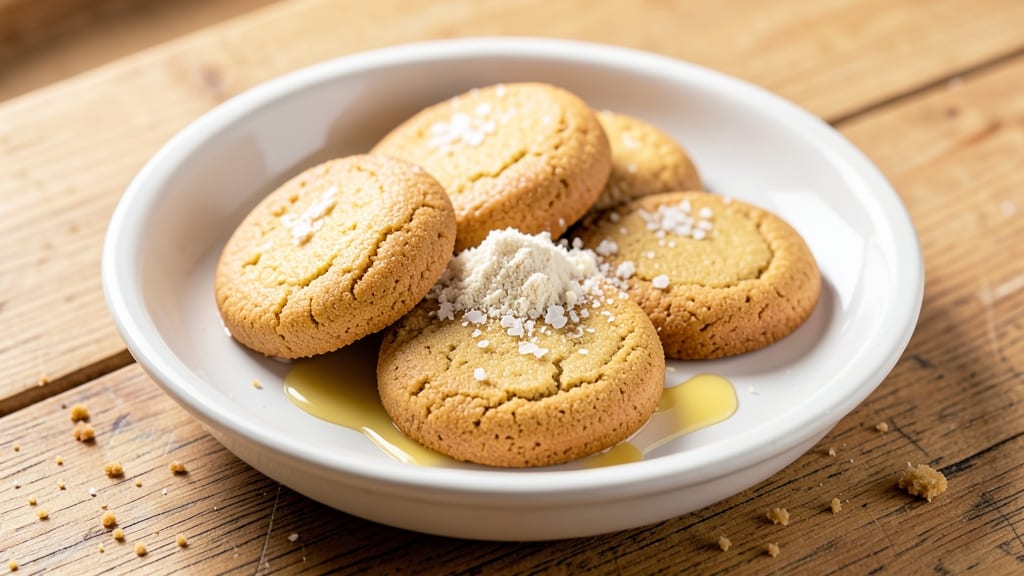
This almond flour keto shortbread cookies recipe delivers all the buttery crunch of classic shortbread—without the sugar crash or guilt. 💛 The secret lies in the perfect ratio of almond flour to erythritol sweetener, creating cookies that stay crisp at the edges while maintaining a tender, melt-in-your-mouth center.
I’ve baked these for keto-friendly gatherings, and they disappear faster than traditional shortbread ever did.
The beauty of this recipe is its simplicity: just five core ingredients (plus optional vanilla or citrus zest for depth) come together with minimal effort.
Unlike traditional shortbread, which relies on butter and flour for structure, these cookies use cream cheese or dairy-free butter for richness while keeping carbs under control. The result? A cookie that’s sturdy enough to handle travel but delicate enough to crumble at the first bite.
Baking at 325°F for 12–15 minutes ensures a golden, even finish without over-browning, while a 5-minute chill in the fridge after shaping prevents spreading.
The texture is what makes these stand out—crispy around the edges, soft in the middle, with a nutty depth from the almond flour that traditional shortbread can’t match.
Perfect for holiday gifting, meal prep, or satisfying a sweet tooth without the carb backslide, these cookies prove keto desserts can be just as indulgent as they are healthy. Let’s get baking—your taste buds (and blood sugar) will thank you.
Ingredients for almond flour keto shortbread cookies
Five core ingredients plus a dash of citrus—this is your keto shortbread game changer.
| Ingredient | Amount | Notes |
|---|---|---|
| Almond Flour 🌰 | 2 cups | Finely ground, unsweetened preferred |
| Erythritol Sweetener 🍯 | ½ cup | Granulated, not powdered |
| Unsalted Butter 🧈 | ½ cup | Cold, cubed for texture |
| Cream Cheese 🧀 | 4 oz | Full-fat, room temperature |
| Vanilla Extract 🌿 | 1 tsp | Pure, high-quality preferred |
| Salt 🧂 | ¼ tsp | Fine sea salt |
| Lemon Zest 🍋 | 1 tbsp | Freshly grated, optional |
| Large Egg 🥚 | 1 whole | Room temperature |
Almond flour is the star here, so don’t skimp on quality. Bob’s Red Mill or Anthony’s Goods are my go-tos—their finely ground versions blend smoothly without grit. If you’re buying in bulk, check the date—almond flour goes rancid fast, especially if stored in a warm kitchen. For the erythritol, Lakanto or Swerve work best; avoid powdered blends unless you’re willing to sift them. The butter and cream cheese need to be cold when mixed but room temp when baking—trust me on this. I always grab Plugrá butter from the refrigerated section at Whole Foods for that extra-rich flavor.
No erythritol? Allulose or monk fruit sweetener at a 1:1 ratio gets you close, though texture might shift slightly. Swapping butter for dairy-free butter like Miyoko’s keeps it keto-friendly, but the flavor won’t be identical—expect a nuttier edge. Vanilla extract? Pure Madagascar bourbon vanilla from Trader Joe’s is my secret weapon, but imitation works in a pinch. Lemon zest is optional but adds that bright pop—if you skip it, a pinch of citric acid (0.25 tsp) mimics the tang. For the egg, if you’re avoiding it entirely, 1 tbsp ground flaxseed + 3 tbsp water (let sit 5 mins) works as a binder, though texture will be slightly denser.
Mix the dough, chill it for 30–60 minutes (longer = less spreading), then bake. These cookies keep in an airtight container for 5–7 days at room temp or 3 months frozen—wrap individually in parchment for easy gifting. For extra crunch, sprinkle with crushed almonds or flaky sea salt before baking. Reheat in a 300°F oven for 2–3 minutes if they lose crispness—nothing worse than sad, soft cookies.
Why You'll Love This Recipe
- Here’s what sold me: the dough lasts ages in the fridge, and the leftovers? I turn them into cookie crumbles for keto cheesecake or stir them into coffee. Plus, almond flour is pricey, but a little goes a long way—this recipe stretches my pantry budget without sacrificing flavor.
- Three-Ingredient Mix: Honestly, I swear by this combo—just almond flour, butter, and cream cheese. No measuring cups, no sifting, no fuss. You cream the butter, fold in the dry stuff, and roll it out like you’re making playdough. (Yes, even on a Tuesday night.)
- Buttery Vanilla Bliss: That first bite of warm, crisp edges with a melt-in-your-mouth center? It’s like a hug for your taste buds. The vanilla extract cuts through the richness, and the erythritol keeps it sweet without the sugar crash. My husband steals them straight from the pan.
- Party in a Jar: Between us, these are my go-to for holiday gifts, potlucks, or just because. They travel well, freeze perfectly, and no one even asks if they’re gluten-free. Drop them in a mason jar with a ribbon, and boom—you’ve got a present that’s actually edible.
Step-by-step instructions for almond flour keto shortbread cookies
Here's how to create perfectly crisp, buttery shortbread cookies that fit your keto lifestyle.
👨🍳 Step 1: Mix Dry Ingredients for Perfect Texture
In a medium bowl, whisk together the 2 cups almond flour, 0.5 cup erythritol sweetener, 0.25 tsp salt, and 1 tbsp lemon zest until completely combined. I like to use a whisk for this step to ensure no lumps remain in the almond flour—those can create dense pockets in your cookies. The lemon zest adds a bright, citrusy note that cuts through the richness beautifully.
Here's the thing—don't skip sifting if your almond flour isn't finely ground. A quick pass through a fine-mesh sieve removes any clumps and creates a lighter texture. If you're using pre-sifted almond flour, just give it a good stir to aerate the mixture before proceeding.
👨🍳 Step 2: Cut in Cold Butter and Cream Cheese
Add the 0.5 cup cold, cubed unsalted butter and 4 oz room-temperature cream cheese to the dry ingredients. Using two forks or a pastry cutter, work the mixture until it resembles coarse crumbs with pea-sized butter pieces remaining. This cold butter method is crucial—it creates those signature flaky layers in your shortbread.
Don't overmix here. You want to preserve some texture, not turn it into dough. If the mixture feels too dry, you can add a splash of water (about 1 teaspoon at a time) until it just comes together. The cream cheese adds moisture and richness without affecting your keto macros, making these cookies extra tender.
👨🍳 Step 3: Incorporate Wet Ingredients
Add the 1 whole large egg and 1 tsp vanilla extract to the mixture. Using a wooden spoon or your hands, gently fold everything together until a soft dough forms. The dough should be pliable but not sticky—if it's too dry, add a bit more almond flour; if too sticky, chill for 10 minutes before proceeding.
This is where the magic happens. The egg binds everything together while the vanilla extract infuses subtle sweetness. I always press the dough together gently with my hands to ensure even distribution of all ingredients. The dough should hold together when pressed but still be workable—think playdough consistency.
⏰ Step 4: Chill and Shape for Perfect Cookies
Wrap the dough tightly in plastic wrap and refrigerate for at least 1 hour (or up to 24 hours). Chilling is non-negotiable—it firms up the dough, prevents excessive spreading, and intensifies the flavors. I like to press the dough into a flat disc before wrapping to make it easier to slice later.
After chilling, preheat your oven to 325°F. Remove the dough from the fridge and roll it out on a lightly floured surface to about ¼-inch thickness. Use a 2.5-inch round cutter to cut out cookies, gently pressing down to ensure clean edges. Place them on a parchment-lined baking sheet, leaving 1 inch between each cookie for spreading.
🔥 Step 5: Bake to Golden Perfection
Bake the cookies for 12-14 minutes until the edges are light golden brown and just beginning to turn golden around the edges. They'll continue baking on the hot sheet after removal, so don't overbake—they should look slightly underdone when you take them out. The centers should be soft but set when pressed gently.
Let the cookies cool on the baking sheet for 5 minutes before transferring to a wire rack to cool completely. The wait is worth it—they'll firm up as they cool, developing that signature shortbread crunch. For extra flavor, sprinkle with a pinch of flaky sea salt while still warm. Store in an airtight container for up to 5 days or freeze for longer shelf life.
Pro Tips For Making Almond Flour Keto Shortbread Cookies
- Chill the Dough Properly: I learned this the hard way—rolling out warm dough makes these cookies spread like pancakes. Press the dough into a flat disc, wrap it tightly in plastic, and refrigerate for at least 2 hours (or overnight if you’re impatient like me). The cold fat in the butter and cream cheese will keep them thick and tender, not greasy.
- Use Room-Temp Cream Cheese: Cold cream cheese turns this dough into a brick. Let that block sit on the counter for 30-45 minutes before mixing—just until it’s soft enough to press with a finger. This ensures it blends smoothly with the butter and almond flour, giving you that signature crumbly texture without fighting the mixer.
- Press, Don’t Roll: Almond flour dough cracks when rolled thin. Instead, press it firmly into a ¼-inch-thick layer in your pan using your hands or a glass. The uneven edges will toast into crispy bits, and the center stays soft—no sad, flat cookies here.
- Bake in One Batch: I used to split these into two trays for "even baking," but the edges dried out before the middle cooked. Crowd the pan with cutouts (leave 1 inch between) and bake at 325°F for 12-14 minutes—the residual heat carries them through. If you must do two batches, rotate the pan halfway for even golden edges.
Troubleshooting great almond flour keto shortbread cookies
Dough Too Sticky?
If your dough feels too sticky after mixing, don’t panic—this happens when the almond flour absorbs too much moisture from the egg or cream cheese. Chill the dough for an extra 10-15 minutes to firm it up.
If it’s still sticky, add 1 tablespoon more almond flour at a time until it becomes workable. Avoid overhandling, as this can activate the gluten in almond flour and make the cookies tough. 🧂
Cookies Spread Too Much
Excessive spreading usually means the dough wasn’t chilled long enough or the oven temperature was too high. Always chill the dough for at least 1 hour before rolling. Use a 2.5-inch cutter and press firmly to create clean edges.
If your oven runs hot, reduce the temperature to 320°F and bake for 13-15 minutes instead. A baking stone or parchment-lined sheet helps distribute heat evenly.
Cookies Too Dense
Dense cookies often result from overmixing the dough or using almond flour that’s too coarse. Sift your almond flour before mixing to remove lumps, and avoid overworking the butter and cream cheese.
If the dough feels dry, add 1 teaspoon of water or almond milk at a time until it just comes together. For extra tenderness, let the dough rest for 30 minutes before rolling. 🌰
Browning Too Fast
If your cookies brown too quickly, the oven might be too hot or the dough too thin. Reduce the oven temperature to 315°F and bake for 14-16 minutes. Alternatively, place the baking sheet on the middle rack to slow browning.
For a lighter color, brush the tops with a bit of melted butter or egg wash before baking. If your cookies are browning unevenly, rotate the baking sheet halfway through baking.
Cookies Taste Bland
Bland flavor usually means the dough lacked depth. Boost the flavor by adding ½ teaspoon of citrus zest (lemon, orange, or lime) or a pinch of vanilla bean paste instead of extract. For a smoky note, add ¼ teaspoon of smoked paprika or a dash of espresso powder.
If your cookies taste flat, the erythritol might have lost its sweetness—swap it for monk fruit sweetener or a touch of stevia for extra sweetness.
Storage Issues
If your cookies lose crispness after storage, they’ve absorbed moisture. Store them in an airtight container with a silica gel packet to keep them dry. For extra crunch, reheat in a 300°F oven for 2-3 minutes before serving.
If they develop a greasy texture, they’ve gone rancid—replace the butter or cream cheese with fresh, high-quality ingredients. Freeze cookies in a single layer before transferring to a container for up to 3 months to preserve freshness. ❄️
Nutrition facts
Frequently asked questions
Can I make these cookies without cream cheese?
Yes! Replace the 4 oz cream cheese with ½ cup additional cold butter for a richer texture. For a dairy-free version, use ½ cup dairy-free butter like Miyoko's or Earth Balance, but expect a slightly denser result. The cream cheese adds moisture and prevents dryness, so if substituting, chill the dough 30 extra minutes to compensate.
Why do my cookies turn out crumbly instead of tender?
Crumbly texture usually means the dough was overmixed or the almond flour was too coarse. Sift your almond flour before mixing and avoid overworking the butter. For extra tenderness, add 1 teaspoon of almond milk if the dough feels dry. Also, ensure your butter and cream cheese are cold but not frozen—this creates the perfect flaky layers.
How do I prevent these from spreading too much?
Chill the dough for at least 1 hour (longer is better) before rolling. Use a 2.5-inch cutter and press firmly to create clean edges. Bake at 325°F for 12-14 minutes—overbaking causes spreading. For extra stability, place the baking sheet on the middle rack and avoid opening the oven during baking.
Can I use almond butter instead of almond flour?
No, almond butter won't work here—it's too moist and lacks the structure needed for shortbread. Almond flour provides the gluten-free binding and nutty flavor essential for this recipe. If you're out of almond flour, you can blend 2 cups raw almonds into a fine powder using a food processor, but it won't be as smooth as store-bought.
What's the best way to store these for maximum freshness?
Store in an airtight container at room temperature for up to 5 days. For longer storage, freeze individual cookies wrapped in parchment paper for up to 3 months. To maintain crispness, place a silica gel packet in the container. Reheat at 300°F for 2-3 minutes if they lose their crunch.