
Side Dishes
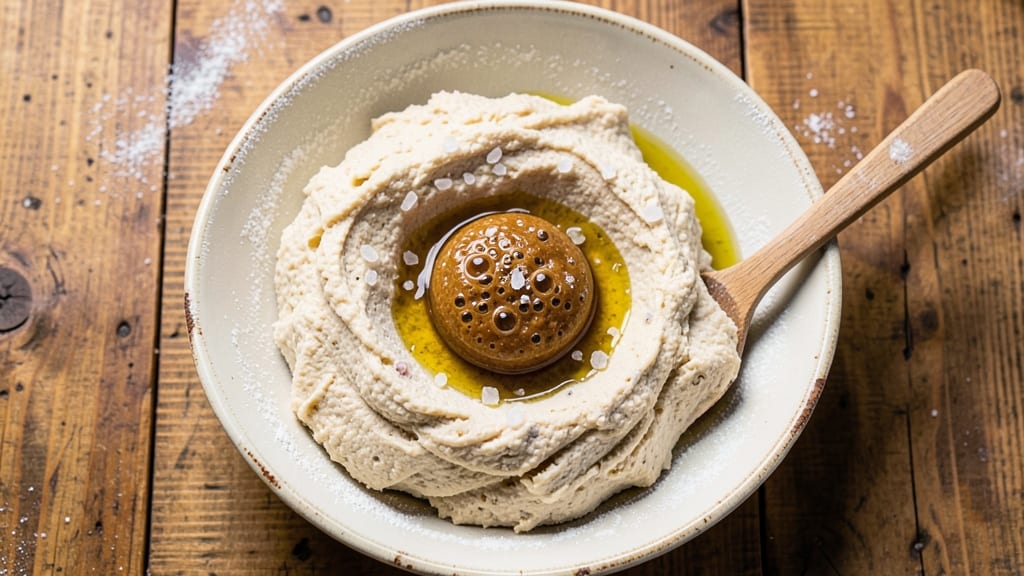
This almost no-knead sourdough bread recipe transforms your kitchen into a bakery with just a bowl, flour, and patience—no stand mixer or kneading required. The secret lies in overnight fermentation, where wild yeast and bacteria slowly develop flavor and structure, creating that signature open crumb and crispy crust.
I’ve baked hundreds of loaves using this method, and it never fails to impress, even for beginners.
The beauty of this recipe is its simplicity: mix, rest, shape, and bake. A Dutch oven is your best friend here, trapping steam to create that perfect oven spring and crackling crust.
The dough’s high hydration (around 70-75%) gives it an airy, light texture, while the long fermentation (12-18 hours) deepens the flavor without requiring constant monitoring. No need for exacting precision—just trust the process.
By the time your loaf emerges from the oven, you’ll have a crusty, golden-brown exterior with an open crumb structure that’s impossible to resist. The aroma alone—warm, tangy, and slightly sweet—will have everyone gathered around your table.
This isn’t just bread; it’s a centerpiece, a conversation starter, and proof that great baking doesn’t require complexity.
Whether you’re a first-time baker or a seasoned pro, this recipe delivers restaurant-quality results with minimal effort. The key is patience—letting the dough do the work while you sleep or go about your day. Ready to master the art of sourdough? Let’s get started.
Ingredients for almost no knead sourdough bread
Four loaves from eight simple ingredients—where patience meets perfection.
| Ingredient | Amount | Notes |
|---|---|---|
| Unbleached All-Purpose Flour 🌾 | 7 cups | King Arthur or Bob's Red Mill preferred |
| Active Sourdough Starter 🍞 | 1 cup | 100% hydration, bubbly and active |
| Warm Water 💧 | 3 ½ cups | 90-95°F for optimal fermentation |
| Kosher Salt 🧂 | 1 ½ tsp | Diamond Crystal preferred |
| Olive Oil 🫒 | ¼ cup | Extra-virgin for richness |
| Rice Flour 🌾 | ½ cup | For dusting and scoring |
| Ice Water ❄️ | ¼ cup | For final shaping |
| Cornmeal 🌽 | ¼ cup | For Dutch oven lining |
The flour is your foundation, so King Arthur or Bob's Red Mill are my go-tos—they've got that perfect protein balance for sourdough. Your sourdough starter should be lively with bubbles and a tangy aroma (think active, not dormant). If it's sluggish, feed it 1:1:1 (starter:flour:water) 24 hours before baking. The olive oil adds tenderness, but don't skimp on the extra-virgin—cheap oil tastes like soap in the final loaf. Water temp matters too: 90-95°F is ideal for fermentation, but room temp works in a pinch if you're impatient.
No sourdough starter? Store-bought dough from a trusted bakery (like a baguette) can work in a bind—just mix 1 cup of its dough with 1 cup flour and 1 cup water, let it ferment overnight. Swapping flours? White whole wheat at 20% replacement adds nuttiness, but keep it under 30% or the crumb gets dense. The rice flour is for scoring—it prevents sticking and gives that crispy crust. Need a shortcut? Pre-mixed sourdough flour blends from Breads Bakery cut prep time by half, though purists will argue it's not 'real' sourdough.
This dough is a two-day project, but it rewards you for the wait. Store bulk flour in the freezer to preserve freshness, and keep your starter refrigerated between feedings—it'll last weeks this way. Shape the dough 24 hours before baking if your schedule allows; the longer it ferments, the more complex the flavor. For leftovers, slice and toast within 3 days—the crumb dries out fast. Freeze whole loaves (wrapped tightly) for up to 3 months, but always reheat in a 350°F oven for 10 minutes to revive that bakery-fresh aroma.
Why You'll Love This Recipe
- No-Knead Magic: Mixing takes less than 5 minutes—just flour, starter, water, and salt. The real work? Letting time do it for you while you sip coffee or scroll.
- Tangy Crust, Soft Heart: That crispy olive-oil sheen on the crust? It’s ridiculous. Inside, the bread stays pillowy, with a subtle tang from the starter that makes toast taste like a bakery secret.
- Weeknight Hero: Toss it in the oven before bed, wake up to golden loaves. No last-minute stress—just pull it out, slice, and serve. (Yes, even on a Tuesday night.)
- Stretches the Budget: A single batch feeds my family for days—sandwiches, croutons, or just buttered slices. The flour and starter cost pennies, but it tastes like you spent hours.
Step-by-step instructions for almost no-knead sourdough bread
Here's how to transform simple ingredients into a loaf with a crispy crust and open crumb—minimal effort, maximum reward.
Mix the Dough and Let It Rest
In a large bowl, combine the 7 cups unbleached all-purpose flour with the 1 cup active sourdough starter. Add the 3.5 cups warm water and 1.5 tsp kosher salt, then mix with a wooden spoon until just combined—you'll see a shaggy dough form with some dry spots, and that's exactly what you want. Stir in the 0.25 cup olive oil until fully incorporated.
Cover the bowl with a damp kitchen towel or plastic wrap and let it rest at room temperature for 12-18 hours. This long fermentation develops deep flavor and creates that signature open crumb. You'll know it's ready when the dough has nearly doubled in size and looks puffy around the edges. If your kitchen is cold, place the bowl on top of your fridge to maintain a consistent temperature.
Shape the Dough and Prepare the Dutch Oven
Lightly dust a clean work surface with 0.5 cup rice flour and turn out the rested dough. Gently fold the edges toward the center to form a loose round shape—don't worry about perfection here. The dough should be sticky but manageable. If it's too wet, add a few extra tablespoons of rice flour as needed.
Place a 0.25 cup cornmeal in the bottom of a Dutch oven (or heavy ovenproof pot with a lid). Carefully transfer the shaped dough into the Dutch oven, seam-side up, and dust the top lightly with more rice flour. Cover loosely with a towel or the lid to prevent drying while it proofs.
Proof the Dough for Maximum Rise
Let the dough proof at room temperature for 2-4 hours, or until it has visibly risen by about 50-75%. You're looking for a gentle doming of the dough—press your finger gently into it; if it springs back slowly, it's ready. The longer it proofs, the more flavorful the bread will be, but don't exceed 6 hours or the dough may overproof.
While the dough proofs, preheat your oven to 450°F. Place the Dutch oven with the dough inside on the middle rack. The oven should be fully preheated before you add the dough—this ensures a proper oven spring when it bakes.
Score and Bake for Crispy Perfection
Remove the lid from the Dutch oven and use a sharp razor or knife to score the top of the dough in a simple crosshatch pattern. This prevents the bread from bursting open unevenly during baking. Immediately return the Dutch oven to the oven and bake for 30 minutes with the lid on.
After 30 minutes, remove the lid and bake for another 15-20 minutes until the bread is deep golden brown. The internal temperature should reach 205-210°F when measured with an instant-read thermometer. You'll know it's done when the crust sounds hollow when tapped on the bottom.
Cool and Enjoy the Results
Carefully remove the bread from the Dutch oven and transfer it to a wire rack to cool completely. This is crucial—cooling too quickly can make the crumb gummy. Let it cool for at least 1 hour before slicing. The bread will continue to firm up as it cools, and the crust will develop even more depth of flavor.
Slice into thick pieces and serve warm with butter or olive oil. The interior should be soft and airy with an open crumb structure, while the crust should be crispy and slightly charred in spots. This bread tastes even better the next day as the flavors continue to develop—perfect for sandwiches or toast.
Pro Tips For Making Almost No Knead Sourdough Bread
- STIR THE DOUGH LONG: I learned this the hard way—after mixing, let that dough sit for 30 seconds before folding. The initial stir feels lazy, but those extra seconds let the gluten relax enough to develop properly without overworking it. Skip this, and you’ll end up with a dense loaf that’s more brick than bread.
- WEIGH THE FLOUR: Your measuring cups are lying to you. Sifted flour compacted in a cup is heavier than you think—use a kitchen scale for the 500g (or 4 cups) of unbleached all-purpose flour. I used to eyeball it, and my batches would either spread like pancake batter or stay stubbornly underproofed. A scale guarantees consistency every time.
- DON’T OVERPROOF THE BULK: That dough looks like it’s begging to bake after 12 hours, but resist. Overproofing turns your airy crumb into a sad, flat mess. Check for readiness by doing the "poke test": press a finger gently into the dough—if it springs back slowly (not immediately), it’s ready. If it bounces like a trampoline, give it more time in the fridge.
- USE COLD WATER FOR SHAPING: Cold water (not warm) on your hands when shaping the dough makes a real difference. It keeps the surface from sticking while giving you enough grip to handle the sticky mess without tearing. I used to wipe my hands on a damp towel, but cold water actually cools the dough slightly, which helps it hold its shape better in the Dutch oven.
Perfect pairings for almost no knead sourdough bread
Butter Spreads
Nothing elevates fresh sourdough like a rich butter spread. I love cultured butter (like Plugrá) with a pinch of flaky sea salt—the tang cuts through the bread’s crust beautifully. For a sweet twist, mix softened butter with honey and a dash of vanilla extract.
Let it sit at room temperature for 10 minutes before spreading to soften the crust. 🧈
Olive Oil Drizzles
Drizzle extra-virgin olive oil (like California Avocado Ranch) over warm slices for a Mediterranean touch. Add a sprinkle of red pepper flakes or fresh rosemary for depth.
For a fruity option, mix olive oil with balsamic glaze (reduce ½ cup balsamic vinegar to 2 tbsp on the stovetop) and drizzle lightly. The acidity brightens the bread’s tangy notes.
Toppings for Sandwiches
This bread is perfect for hearty sandwiches. Try sharp cheddar with crispy bacon and caramelized onions, or go vegetarian with goat cheese, fig jam, and arugula.
For a breakfast twist, layer scrambled eggs, smoked salmon, and cream cheese. The open crumb soaks up flavors beautifully—no soggy bread here! 🥪
Sweet Pairings
Serve with whipped cream and fresh berries for a dessert-like experience. A drizzle of dark chocolate ganache (melt ½ cup dark chocolate with ¼ cup heavy cream) adds luxury.
For a savory-sweet combo, spread ricotta cheese with honey and toasted walnuts. The bread’s crusty exterior balances the creaminess perfectly.
Beverage Pairings
A light lager (like Peroni) or sparkling water with lemon cleanses the palate between bites. For coffee lovers, a strong espresso or chicory blend complements the bread’s tangy depth. Red wine drinkers should opt for a dry Riesling—its acidity mirrors the sourdough’s brightness. ☕
Nutrition facts
Frequently asked questions
Can I use whole wheat flour instead of all-purpose?
You can substitute up to 20% whole wheat flour (about 1.5 cups) for a nuttier flavor, but avoid exceeding 30% or the crumb may become dense. Whole wheat absorbs more water, so reduce the water by 1 tablespoon if needed. For best results, use white whole wheat flour.
What if my starter isn't bubbly enough?
Feed your starter 1:1:1 (starter:flour:water) 24 hours before baking to wake it up. Look for bubbles and a rising-and-falling action when fed. If it still seems sluggish, try using 1.25 cups of active starter instead of 1 cup to boost fermentation power.
How do I fix a dough that's too sticky?
Add 1-2 tablespoons of rice flour at a time while shaping—it absorbs moisture without altering flavor. Work quickly and use wet hands to prevent sticking. If the dough is still unmanageable, let it rest 10-15 minutes covered before handling again.
Why did my bread collapse after baking?
This usually happens from overproofing (dough rises too much) or underbaking. Next time, bake until the internal temp reaches 205-210°F and tap the bottom—the sound should be hollow. Also ensure your oven is fully preheated before adding the Dutch oven.
Can I bake this without a Dutch oven?
Yes! Use a heavy ovenproof pot with a lid or a baking stone. For a crispy crust, spray the dough with water before baking and place a metal tray on the oven rack below to create steam. The bread won't be as crackly, but the texture will still be excellent.