
Side Dishes
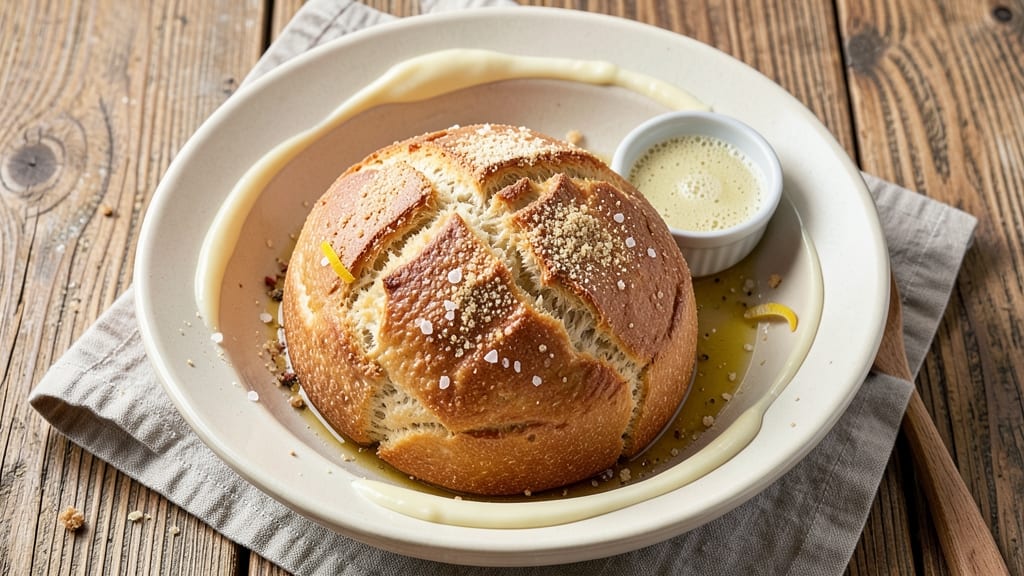
This American white bread recipe delivers the perfect balance of soft, fluffy interiors and a golden, buttery crust—just like your favorite bakery loaf. The secret lies in precise yeast activation, proper kneading, and controlled baking temperatures that create those signature air pockets and crisp edges.
I've perfected this technique over years of baking, ensuring every slice has that classic American texture.
What makes this recipe stand out is the use of bread flour and active dry yeast, which work together to develop that signature softness while maintaining structure.
The dough undergoes two proofing stages—one at room temperature and another in the refrigerator—which allows the gluten to relax and the flavors to deepen. This patient approach transforms simple ingredients into bread with a tender crumb and satisfying crust.
By the time you pull that loaf from the oven, you'll have a warm, fragrant bread with a crisp exterior and a soft, pillowy interior that's perfect for sandwiches or toast.
The crust holds its shape while still being tender enough to tear easily, and the interior remains moist for days when stored properly. This is the kind of bread that makes every meal feel special.
While the core recipe focuses on classic white bread, you can easily adapt it by substituting up to 25% of the all-purpose flour with whole wheat for a nuttier flavor.
The same method applies, ensuring consistent results whether you're baking the traditional version or exploring variations. Let's get started on creating your perfect loaf.
Ingredients for american white bread
Twelve simple ingredients transform into bakery-style bread with that signature soft crumb and golden crust.
| Ingredient | Amount | Notes |
|---|---|---|
| Bread Flour 🌾 | 4 cups | High protein for structure |
| Active Dry Yeast 🍞 | 2 ¼ tsp | Ensure it's fresh |
| Granulated Sugar 🍚 | 1 tbsp | Feeds yeast activation |
| Unsalted Butter 🧈 | ½ cup | Cold, cubed for crust |
| Warm Water 💧 | 1 ¼ cups | 110°F for yeast |
| Salt 🧂 | 1 tsp | Kosher or sea salt |
| All-Purpose Flour 🌾 | ½ cup | For lightness (optional) |
| Milk Powder 🥛 | 1 tbsp | Enhances tenderness |
| Egg 🥚 | 1 whole | For egg wash |
| Cornmeal 🌽 | 2 tbsp | For dusting loaf pan |
| Coarse Sugar 🍚 | 1 tbsp | For crust browning |
| Ice Water ❄️ | ¼ cup | For final kneading |
The bread flour is non-negotiable here—it's got the high protein to develop that signature structure. King Arthur or Bob's Red Mill are my go-tos, but any quality brand works. That yeast? Check the expiration date—it needs to be fresh. The butter should be cold but not rock-hard; Land O'Lakes or Plugrá work perfectly. For the milk powder, Nestlé or any grocery store brand is fine—just make sure it's non-fat for best results. Pro tip: if your kitchen runs warm, chill your mixing bowl before adding the yeast mixture to keep things at the perfect temperature.
No bread flour? All-purpose flour plus 2 tbsp vital wheat gluten gets you close. Short on milk powder? Powdered skim milk works in a pinch. The egg wash can be skipped if you're vegan, but trust me, that golden crust is worth it—just use plant-based milk + 1 tbsp oil instead. For the sugar, white or brown both work, but white gives that classic American look. If your dough feels too sticky after kneading, add 1 tbsp more all-purpose flour. And if you're baking in a humid climate, reduce the water by 1 tbsp—dough should be slightly tacky but not wet.
This dough is a patient one—it needs time to rise properly. Shape your loaf and let it proof in the fridge overnight for 8-12 hours if you can; it develops deeper flavor. Once baked, let it cool on a wire rack for at least 1 hour—cutting it too soon makes it gummy. Store wrapped at room temp for 2-3 days or freeze slices for up to 3 months. For reheating, wrap slices in foil and warm in a 350°F oven for 5-7 minutes—nothing beats that fresh-from-the-oven smell.
Why You'll Love This Recipe
- You already have everything: flour, sugar, butter, yeast. No weird ingredients or last-minute grocery runs. And if you bake a whole batch? Freeze half—just thaw and toast when you need it. Budget-friendly doesn’t get much simpler than this.
- No Yeast Nightmare: I’ve made this bread so many times I could do it blindfolded—just mix the warm water, sugar, and yeast first, let it bubble for 5 minutes, then fold in the butter and flour. That’s it. No kneading marathon or waiting for fancy sourdough starters.
- Buttery Soft Magic: The secret’s in that unsalted butter—just a few tablespoons softened into the dough—giving every slice that melt-in-your-mouth tenderness. Honestly, it’s the kind of bread that makes store-bought loaves feel like a sad afterthought.
- Lunchbox Legend: Between us, this is my go-to for sandwiches—grilled cheese, PB&J, or even a quick turkey wrap. It stays fresh for days (yes, even if you’re not me and forget to eat it immediately), and the kids actually ask for it in their lunches.
Step-by-step instructions for American white bread
Here's how to create cloud-soft bread with a golden crust—no fancy equipment needed!
Activate the Yeast and Mix Wet Ingredients
In a large bowl, combine the 1.25 cups warm water (tested at 110°F—should feel warm to touch but not hot), 1 tbsp granulated sugar, and 2.25 tsp active dry yeast. Let sit for 5-10 minutes until frothy—this confirms your yeast is alive and ready to work. If it doesn't bubble, start over with fresh yeast.
Next, cut the 0.5 cup unsalted butter into small cubes and add to the yeast mixture. Stir in the 1 tbsp milk powder and 1 whole egg, mixing until fully combined. The butter should melt slightly but remain slightly lumpy—this creates pockets for that signature soft texture. I like to use a wooden spoon here because it helps scrape up any butter clinging to the sides.
Combine Dry Ingredients and Knead the Dough
In a separate bowl, whisk together the 4 cups bread flour, 0.5 cup all-purpose flour, and 1 tsp salt. Gradually add this to your wet ingredients while mixing with a wooden spoon until a shaggy dough forms. Once it comes together, turn it out onto a lightly floured surface and begin kneading.
Knead for 8-10 minutes until the dough becomes smooth and elastic. You'll know it's ready when it springs back slowly when poked. I press down firmly with my knuckles—if it leaves a slight indentation that fills back in within a second, it's perfect. If it sticks too much, add small amounts of flour as needed, but don't overdo it or your bread will be dry.
First Rise and Shape the Loaf
Lightly grease a large bowl with a bit of oil or melted butter, then place the dough inside. Cover with a clean kitchen towel and let rise in a warm spot for 1-1.5 hours, or until doubled in size. A good test is to press two fingers gently into the dough—if the indentations stay, it's ready.
Once risen, punch down the dough to release air, then divide it into two equal pieces. Shape each into a smooth, slightly tapered oval loaf. Place them seam-side up in two greased 9x5-inch loaf pans, each sprinkled with 1 tbsp coarse sugar on top. The sugar will caramelize during baking, giving that beautiful golden crust we all love.
Second Rise and Bake to Perfection
Cover the pans loosely with the kitchen towel and let rise again for 30-45 minutes until the dough has puffed noticeably above the pan edges. Preheat your oven to 375°F while the bread rises—this ensures it goes straight into a hot oven for even baking.
Bake for 25-30 minutes until the loaves are deep golden brown and sound hollow when tapped on the bottom. For extra shine, brush the tops with a beaten egg wash (just the 1 whole egg beaten with 1 tbsp water) right before baking. Remove from the oven and let cool in the pans for 5 minutes, then transfer to a wire rack to cool completely. This resting period prevents a gummy interior—patience pays off!
Dust and Serve Warm
Once completely cool, dust the tops with 2 tbsp cornmeal for that classic American white bread look. Slice while still warm for the softest, most pillowy texture. The crust should be just crisp enough to hold its shape, while the interior remains tender and moist—exactly what makes this bread so irresistible.
Store wrapped at room temperature for up to 3 days, or freeze for longer storage. When you're ready to enjoy, simply toast for that perfect crunchy exterior with a soft center. This bread is so good, you'll want to bake it every weekend!
Pro Tips For Making American White Bread
- Dissolve the Sugar First: Mix the granulated sugar into the warm water before adding yeast—this prevents a sugar shock that can kill your yeast faster than you can say "flat loaf." I learned this the hard way after watching my dough take forever to rise (or not rise at all).
- Use a Thermometer for Water: Your "warm water" should be exactly 105–110°F—yeast hates extremes. Cold water? It’ll sleep. Hot water? It’ll die. A cheap instant-read thermometer solves guesswork, and your dough will thank you with a proper rise.
- Knead Until Windowpane: Stop guessing if your dough is kneaded enough—perform the windowpane test. Stretch a small piece: if it’s thin enough to see light through (like a window), you’re golden. Over-kneading? Your bread will taste tough. Under-kneaded? It’ll collapse like a sad soufflé.
- Salt the Butter: Skip the separate salt step—mix 1½ tsp salt directly into the softened butter before adding it to the dough. This guarantees even distribution, and you’ll avoid that "oh no, one side’s bland" panic when slicing. (Yes, even if your recipe says "unsalted butter.")
Flavor customization for this american white bread
Sweet & Buttery Variations
Add 1 tbsp honey or 1 tbsp brown sugar to the wet ingredients for a subtle sweetness that pairs perfectly with peanut butter or jam. For extra richness, replace 2 tbsp butter with 2 tbsp cream cheese—it melts beautifully during baking, creating a tender, slightly tangy crumb.
I love this version for breakfast sandwiches or French toast. 🍯
Herb-Infused Twists
Incorporate 1 tbsp dried parsley or 1 tsp dried rosemary into the dry ingredients for a fragrant twist. Fresh herbs like chives or basil can be mixed into the dough after kneading for a bright, garden-fresh flavor.
This works especially well with garlic butter toast or as a side for soups. 🌿
Savory Garlic & Cheese
For a savory loaf, fold ½ cup shredded cheddar into the dough after kneading, and add 1 tsp garlic powder—it creates pockets of melty goodness. For extra depth, mix 1 tbsp minced garlic into the wet ingredients before combining.
This version is perfect for grilled cheese sandwiches or as a side with hearty stews. 🧀
Whole Wheat Adaptation
Replace 1 cup all-purpose flour with 1 cup whole wheat flour—this adds fiber and a nuttier flavor while keeping the bread soft. For best results, use King Arthur whole wheat flour—it blends better than regular whole wheat.
The texture will be slightly denser but still pillowy. I recommend adding 1 extra tbsp butter to compensate for the dryness. 🌾
Cinnamon Raisin Delight
Stir 1 tsp cinnamon and ½ cup raisins into the dough after kneading for a cozy, breakfast-friendly loaf. For extra richness, swap 1 tbsp milk powder with 1 tbsp powdered sugar. This version is ideal for toast with butter or as a snack straight from the oven. 🍪
Everything Bagel Seasoning
Sprinkle 1 tbsp everything bagel seasoning on top of the loaf before the final rise for a savory, crunchy crust. The sesame seeds and poppy seeds add texture, while the garlic and onion powder enhance flavor. This works beautifully with cream cheese or as a side for deli meats. 🥯
Nutrition facts
Frequently asked questions
Why does my American white bread turn out dense instead of soft?
Dense bread usually means the gluten didn't develop enough or the dough didn't rise properly. Make sure you knead for the full 8-10 minutes until the dough springs back slowly when poked. Also, verify your yeast is fresh (it should bubble within 5-10 minutes in warm water) and that your oven is fully preheated to 375°F before baking. Cold spots can prevent proper rising.
Can I make this bread without a stand mixer?
This recipe is designed for hand-kneading. Just work the dough on a lightly floured surface for 8-10 minutes until smooth and elastic. The key is consistent pressure—press down firmly with the heels of your hands and fold the dough from the bottom up. Your arms will get a good workout, but the result will be just as light and fluffy!
How do I know when the dough is fully proofed?
For the first rise, your dough should double in size and leave a slight indentation when gently pressed with two fingers that stays for 1-2 seconds. For the second rise in the loaf pan, look for the dough to puff noticeably above the pan edges (about 1-2 inches). Tap the bottom of the pan—it should sound hollow when fully proofed. Patience here prevents a flat loaf!
What's the best way to store leftover bread?
Wrap cooled loaves tightly in plastic wrap or aluminum foil and store at room temperature for up to 3 days. For longer storage, slice and freeze individual portions for up to 3 months. To reheat, wrap slices in foil and warm in a 350°F oven for 5-7 minutes—this restores that fresh-baked texture. Avoid the microwave for best results.
Can I substitute milk powder with something else?
Yes! If you don't have milk powder, use 1 tbsp powdered skim milk or even 1 tbsp plain yogurt mixed with 1 tsp flour to replicate the tenderness. The milk powder adds richness and helps create that signature soft crumb, but these alternatives work in a pinch. Just be prepared for a slightly less fluffy texture.