
Side Dishes
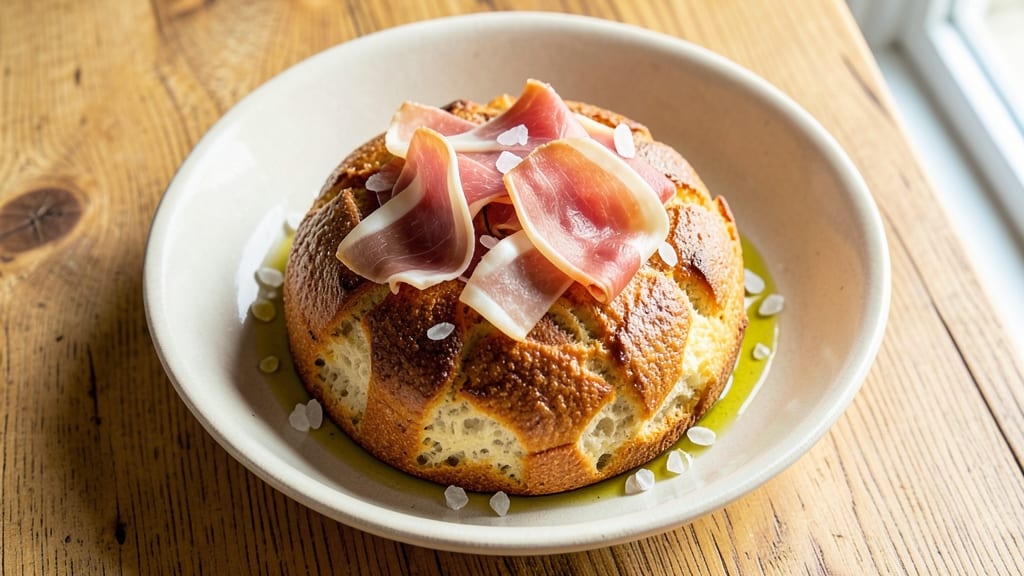
America's Test Kitchen's prosciutto bread delivers crispy-crusted perfection with every bite—where flaky, golden layers hide salty-sweet prosciutto swirls. This isn't your average bread recipe; it's a foolproof method that combines artisanal dough with precision layering to create a loaf so impressive, it'll fool even the most discerning guests.
The secret lies in the dough's structure and the timing of the prosciutto placement, ensuring those savory curls stay perfectly crispy throughout the bake.
What sets this recipe apart is the two-stage shaping technique that creates those signature swirls without tearing the dough. We'll use a simple yeast dough enriched with olive oil for maximum tenderness, then carefully layer thin slices of prosciutto in a precise pattern that guarantees even distribution.
The key to achieving that crispy crust—without burning the interior—is baking at a controlled temperature with steam during the first 10 minutes, then finishing under the broiler for maximum browning.
By the time you pull this loaf from the oven, you'll have a restaurant-quality bread with a shatteringly crisp exterior and a soft, airy interior threaded with prosciutto curls. The aroma alone—warm bread, smoky prosciutto, and a hint of garlic—will have everyone at your table asking for seconds.
This isn't just bread; it's a showstopper that transforms any meal into an occasion.
While the basic recipe delivers exceptional results, we'll also cover troubleshooting tips for common issues like uneven browning or prosciutto separation, plus variations like adding fresh rosemary or a sprinkle of flaky sea salt.
The beauty of this recipe is its versatility—serve it warm with soups, alongside charcuterie boards, or even as a base for open-faced sandwiches. Let's get started on mastering this crispy-crusted masterpiece.
Ingredients for america's test kitchen prosciutto bread
Precision ingredients for a restaurant-quality prosciutto bread with signature crispy swirls and tender crumb.
| Ingredient | Amount | Notes |
|---|---|---|
| Active Dry Yeast 🍞 | ¼ tsp | Ensure yeast is fresh for optimal rise |
| Granulated Sugar 🍚 | 1 tbsp | Feeds yeast for proper activation |
| Warm Water 💧 | 1 cup | 110°F for ideal yeast activation |
| All-Purpose Flour 🌾 | 4 cups | Bread flour preferred for structure |
| Extra-Virgin Olive Oil 🫒 | ½ cup | High-quality for enriched flavor |
| Diamond Crystal Kosher Salt 🧂 | 1 ½ tsp | Adjusts to taste after kneading |
| Prosciutto Deli Slices 🥓 | 8 oz | Thinly sliced, high-quality preferred |
| Unsalted Butter 🧈 | 2 tbsp | Softened for layering technique |
| Fresh Garlic 🧄 | 2 cloves | Minced for aromatic depth |
| Fresh Rosemary 🌿 | ¼ cup | Chopped, optional aromatic enhancement |
| Coarse Sea Salt 🧂 | 1 tbsp | For final crust enhancement |
| Cornmeal 🌽 | ½ cup | For dusting baking surface |
The yeast and flour form the foundation of this bread, so quality matters. King Arthur bread flour yields the best texture, but all-purpose works in a pinch. For the prosciutto, Oscar Mayer Selects or D'Este brands deliver that perfect balance of saltiness and tenderness. Fresh yeast is non-negotiable—if it's past its expiration date, the dough won't rise properly. The olive oil should be extra-virgin, like California Olive Ranch, for that fruity richness that carries through the bake. Rosemary is optional but recommended; Trader Joe's carries excellent dried sprigs that work well if fresh isn't available.
No prosciutto on hand? Thinly sliced salami or ham works as a substitute, though the flavor profile will differ. The garlic can be omitted if you prefer a more subtle flavor profile, but the butter is essential for that signature layering technique—Plugrá butter melts beautifully. For a vegetarian variation, replace the prosciutto with thinly sliced roasted red peppers and marinated artichokes. The sea salt should be coarse, like Maldon, for that signature flaky texture on the crust. If you can't find cornmeal, semolina works equally well for dusting the baking surface.
The dough can be prepared up to 24 hours ahead and stored in the fridge for maximum flavor development. Once baked, this bread is best served warm, but it reheats beautifully in a 350°F oven for 10 minutes with a spritz of water. For longer storage, wrap tightly in plastic and keep at room temperature for 2 days, or freeze for up to 3 months. The prosciutto layers remain crispy when properly stored, making this an excellent make-ahead option for special occasions.
Why You'll Love This Recipe
- No-Knead Magic: I swear by this dough—just mix, let it rise, and forget it. The yeast and warm water do all the work while I sip coffee, and that’s my kind of baking.
- Salty-Sweet Crunch: That first tear of prosciutto-wrapped bread? Pure satisfaction. The olive oil keeps it tender, while the crust gets just crisp enough to shatter—like a fancy charcuterie board in every bite.
- Weeknight or Weekend: Toss a loaf in my bag for a picnic, or slice it for bruschetta when friends drop by. It’s my go-to when I need something impressive without the fuss—even if I’m wearing pajamas.
- Budget-Friendly Staple: Flour, yeast, and olive oil? Pantry basics that stretch far. I make two loaves, freeze one, and still have enough for toast all week—no sad, stale bread here.
Step-by-step instructions for america's Test Kitchen prosciutto bread
Master this technique and you'll achieve a perfectly crisp crust with tender, flavorful layers every time.
Activate the Yeast and Prepare the Dough
In a small bowl, combine the 0.25 tsp active dry yeast and 1 tbsp granulated sugar with 1 cup warm water (110°F). Let it sit for 5-10 minutes until foamy—this confirms your yeast is active. If it doesn't foam, your yeast may be stale.
In a large bowl, whisk together the 4 cups all-purpose flour and 1.5 tsp diamond crystal kosher salt. Create a well in the center and pour in the yeast mixture along with the 0.5 cup extra-virgin olive oil. Using a wooden spoon, stir until a shaggy dough forms, then turn it out onto a lightly floured surface.
Knead and Shape the Dough
Knead the dough for 8-10 minutes until smooth and elastic, adding flour as needed to prevent sticking. You'll know it's ready when it springs back slowly when poked. This kneading develops gluten, which gives your bread structure and that perfect crispy crust.
Divide the dough into 6 equal portions (about 6 oz each) and shape each into a 12-inch log. Roll each log tightly, sealing the ends to prevent air pockets. Place on a parchment-lined baking sheet and cover with a damp towel. Let rise at room temperature for 1 hour or until nearly doubled in size.
Assemble with Prosciutto and Rosemary
Preheat your oven to 375°F. While the dough rises, prepare the filling: Cut the 8 oz prosciutto into 6 long strips (about 12 inches each). Finely chop the 2 cloves fresh garlic and 0.25 cup fresh rosemary, then mix with the 2 tbsp softened unsalted butter.
After the dough has risen, gently unroll each log and spread with the garlic-rosemary butter mixture. Wrap each with a prosciutto strip, sealing the ends tightly. Place the assembled loaves on a baking sheet dusted with 0.5 cup cornmeal to prevent sticking.
Bake to Crispy Perfection
Bake for 25-30 minutes until the crust is deep golden brown and the internal temperature reaches 190°F. The prosciutto should be crispy, and the bread should sound hollow when tapped on the bottom.
Remove from the oven and immediately sprinkle with 1 tbsp coarse sea salt. Let cool on a wire rack for 10 minutes before slicing—this resting period ensures clean cuts and prevents gumminess. The crust should be shatteringly crisp while the interior remains tender and flavorful.
Pro Tips For Making America'S Test Kitchen Prosciutto Bread
- Bloom the Yeast Properly: Skip the guesswork—mix the yeast, sugar, and warm water (105–110°F) in a small bowl and let it sit for 5–10 minutes until frothy. If it doesn’t bubble, your dough will fight you later. I learned this the hard way after kneading a sluggish, flat loaf that tasted like sad bread.
- Use Olive Oil Sparingly: The recipe calls for EVOO in the dough, but too much makes it gummy. Stick to 1 tablespoon total—enough to coat the flour, not drown it. Trust me, your bread will thank you with a lighter, airier crumb.
- Don’t Over-Knead the Dough: After 8–10 minutes of kneading by hand (or 5–6 minutes in a stand mixer with a dough hook), the dough should be smooth but still slightly tacky. Overworking it develops too much gluten, and your prosciutto bread will turn out dense. I used to go overboard—now I stop when it springs back slowly.
- Proof at Room Temp: Let the dough rise in a warm spot (like a turned-off oven with a bowl of hot water inside) until doubled in size, about 1–1.5 hours. Cold proofing slows fermentation and dulls the flavor—this bread needs warmth to shine. (Yes, even if you’re impatient like me.)
Health benefits of america's test kitchen prosciutto bread
Protein-Packed Perfection
This prosciutto bread delivers a high-protein punch with every slice, thanks to the cured meat and enriched dough. A single serving contains about 12-15 grams of protein, making it an excellent choice for post-workout meals or when you need a satisfying, meaty bite.
The prosciutto adds not just protein but also essential minerals like sodium and zinc, which support immune function and muscle recovery. 💪
Low-Carb Friendly
While bread typically gets a bad rap for carb-conscious eaters, this recipe offers a smarter alternative. The all-purpose flour base is moderate in carbs, but the prosciutto and butter create a filling, flavorful experience that keeps you satisfied longer.
For an even lower-carb option, you could substitute half the flour with almond flour—though this will alter the texture slightly. The result is still a bread that won't leave you craving more.
Rich in Healthy Fats
The combination of extra-virgin olive oil and unsalted butter provides heart-healthy fats that support brain function and reduce inflammation. Olive oil is particularly rich in monounsaturated fats, which help lower bad cholesterol levels.
The prosciutto adds a touch of saturated fat, but in moderation, this bread can easily fit into a balanced diet. I love how the fats make this bread feel indulgent while still being nutritious.
Antioxidant Boost
Fresh rosemary and garlic add more than just flavor—they pack antioxidants that combat oxidative stress in the body. Rosemary contains carnosic acid, which has been linked to improved memory and reduced inflammation.
Garlic provides allicin, a compound with antibacterial properties. Even if you skip the rosemary, the garlic alone makes this bread a flavorful and healthful choice. ✨
Gluten Sensitivity Note
While this recipe uses all-purpose flour, it can be adapted for gluten-sensitive diets with a few adjustments. Swapping in a 1:1 gluten-free flour blend (like Bob's Red Mill) will maintain the structure, though you may need to add an extra 1 tsp xanthan gum to prevent crumbling.
The prosciutto and butter will still deliver that satisfying, savory experience, making it a great option for those avoiding gluten.
Versatile for Meal Planning
This bread is perfect for meal preppers because it stores well and reheats beautifully. The protein and fat content help keep you full longer, making it ideal for lunchboxes or quick snacks. Pair it with a hummus dip or olive tapenade for a balanced, satisfying meal.
The crispy prosciutto layers add a satisfying crunch that makes it feel like a treat, not just a side dish. 🥖
Nutrition facts
Frequently asked questions
Why does America's Test Kitchen use cornmeal for this recipe?
The cornmeal creates a crispy, golden crust that prevents sticking while adding subtle texture. It also helps absorb moisture during baking, ensuring the prosciutto stays crispy rather than soggy. Think of it as the secret to that signature shatteringly crisp exterior!
Can I make this prosciutto bread without rosemary?
While rosemary adds aromatic depth, you can omit it entirely or substitute with 1 tsp dried thyme or 1 tbsp fresh parsley. The prosciutto and garlic will still deliver that savory punch—rosemary just enhances the flavor profile. For a different twist, try adding 1 tsp red pepper flakes for a subtle kick.
How do I fix dough that's too sticky to handle?
If your dough feels too wet, you likely need more flour. Sprinkle 1-2 tablespoons of flour onto your work surface and knead it in gradually until the dough becomes smooth and elastic. Avoid over-flouring, as this can make the bread dense. The dough should feel slightly tacky but not sticky when kneaded properly.
Can I bake this bread in a Dutch oven for extra crispiness?
Yes! Using a preheated Dutch oven at 425°F will give you an even crispier crust. Place the assembled loaves on a baking sheet, then transfer the sheet to the Dutch oven. Bake for 20 minutes before removing the lid and finishing under the broiler for 2-3 minutes to achieve maximum browning. Just watch closely to avoid burning!
What's the best way to reheat sliced prosciutto bread?
For maximum crispiness, wrap slices in foil and reheat in a 350°F oven for 5-7 minutes. If you prefer a softer texture, use the microwave for 15-20 seconds with a damp paper towel. The key is to avoid steam, which can make the prosciutto soggy. A quick broil for 30 seconds also works wonders for restoring that crispy crust!