
Side Dishes
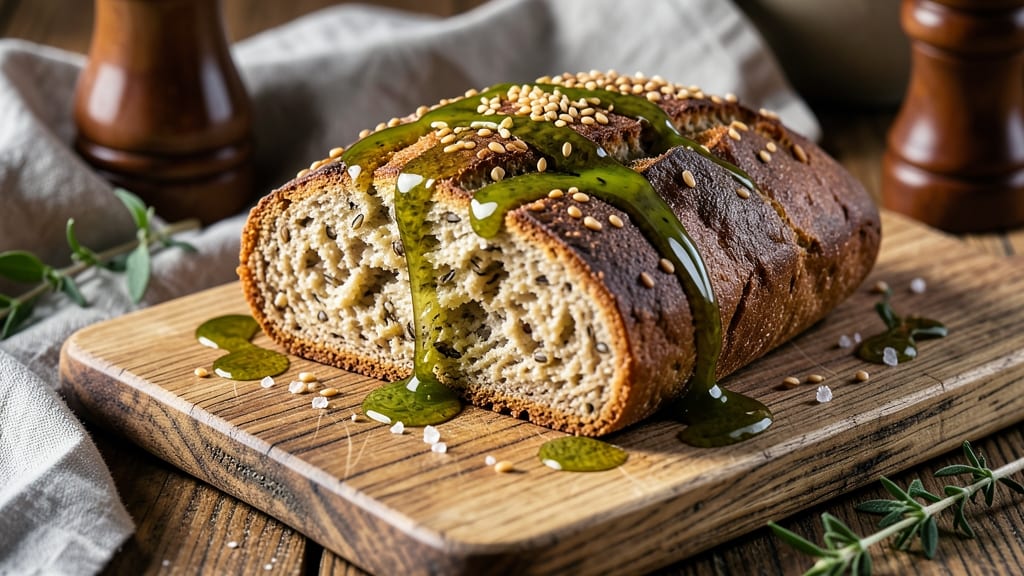
This ancient Greek barley bread recipe brings the flavors of antiquity to your kitchen table with a rustic, golden crust that's as historically accurate as it is delicious. 💛 The secret lies in using barley flour—a staple grain in ancient Greece—combined with simple, traditional ingredients like olive oil, water, and salt to create a bread that's both nourishing and deeply satisfying.
Unlike modern breads, this recipe stays true to ancient techniques without requiring yeast, making it a straightforward yet impressive dish to prepare.
The dough comes together with minimal effort, and the baking process transforms it into a bread with a crisp exterior and a tender, slightly chewy interior—just as it would have been enjoyed in ancient times.
What makes this recipe special is its versatility. Serve it warm alongside soups, dips, or grilled meats, or enjoy it fresh with a drizzle of olive oil and a sprinkle of sea salt.
The aroma alone will transport you to the streets of ancient Greece, where barley bread was a dietary cornerstone.
With just a handful of ingredients and a simple process, you'll achieve a bread that's not only authentic but also incredibly rewarding. Let's bring a taste of history to your kitchen—step by step.
Ingredients for ancient greek barley bread
Barley flour, olive oil, and warm water create history's most authentic bread.
| Ingredient | Amount | Notes |
|---|---|---|
| Barley Flour 🌾 | 3 cups | Stone-ground preferred for texture |
| Extra-Virgin Olive Oil 🫒 | ½ cup | High quality, fruity variety |
| Warm Water 💧 | 1 ½ cups | Just off boil, ~160°F |
| Sea Salt 🧂 | 1 ½ tsp | Fine grain preferred |
| Ground Fennel Seeds 🌿 | 1 tsp | Optional, for ancient flavor |
| Sesame Seeds 🌰 | 1 tbsp | For topping, toasted |
| Poppy Seeds 🌱 | 1 tbsp | For topping, optional |
| Fresh Rosemary 🌿 | ¼ cup | Finely chopped, optional |
| Semolina Flour 🌾 | ¼ cup | For dusting, optional |
Barley flour is the star here—Bob's Red Mill or King Arthur stone-ground varieties work best. If you can't find it, whole wheat flour in a pinch, but the texture won't be quite right. The olive oil should be extra-virgin—none of that cheap stuff. I grab mine from Trader Joe's or Whole Foods bulk section. Freshness matters: if your seeds smell stale, toast them for 2 minutes before using. The water needs to be just off boil—160°F—so it's hot but not scalding when mixed.
No sesame seeds? Toasted sunflower seeds work great. Skip the rosemary if you don't have it—dried oregano at half the amount gives a similar vibe. The semolina is optional but helps with that crispy crust. For the fennel seeds, if you can't find ground, crush whole seeds lightly. Pro tip: mix your dry ingredients first, then add the wet—this prevents lumps. The dough should be thick but workable; if it's too sticky, add a splash more barley flour.
This bread keeps for 3-4 days at room temperature wrapped in a towel, or 1 week in the fridge. For longer storage, freeze slices wrapped in parchment—up to 3 months. Warm it in a 350°F oven for 5 minutes to revive that ancient aroma. Leftovers? Toast them for crunchy croutons—perfect with soups or salads.
Why You'll Love This Recipe
- No-Fuss Mixing: I swear by this dough—just flour, oil, water, and a pinch of salt. No yeast, no kneading, no waiting around. The barley flour does all the work, giving you a rustic loaf without the fuss of sourdough.
- Fennel’s Earthy Magic: That ground fennel? It’s the secret weapon. Warm, slightly sweet, with a hint of licorice—it turns simple bread into something that tastes like a Mediterranean vacation. Drizzle it with olive oil while warm, and you’re basically eating sunshine.
- Lunchbox Legend: Between us, this bread is my go-to for packed lunches. It stays fresh for days, holds up to sandwiches, and even makes a solid side for soups. (Yes, even on a Tuesday night when you’re scrambling.)
- Pantry Goldmine: Barley flour’s cheap, and it stretches farther than all-purpose. Plus, the leftovers? Toast them, freeze them, or turn them into croutons—this bread’s too good to waste. I’ve fed a crowd with half a batch, and no one’s complained.
Step-by-step instructions for ancient Greek barley bread
Let's bring ancient flavors to life with this rustic barley bread recipe.
👨🍳 Step 1: Mix the Dough with Ancient Techniques
In a large mixing bowl, combine the 3 cups barley flour with 1.5 tsp sea salt and 1 tsp ground fennel seeds. This ancient grain mix gives the bread its distinctive nutty flavor and hearty texture. I like to use my fingers to break up any flour lumps before adding the wet ingredients - this ensures a smoother dough.
Add the 0.5 cup extra-virgin olive oil and mix with a wooden spoon until the flour begins to absorb the oil. Then pour in the 1.5 cups warm water (around 160°F) while stirring continuously. You'll notice the dough immediately start to come together - it should feel slightly sticky but manageable. If it's too dry, add 1 tablespoon more water; if too wet, sprinkle in 1 tablespoon more barley flour. The dough should hold together when pressed but still be soft enough to shape.
🥘 Step 2: Knead and Rest for Maximum Flavor Development
Turn the dough onto a lightly floured surface and knead for about 8-10 minutes. I press down with the heel of my hand and fold the dough over itself, rotating the bowl each time. This develops the gluten that gives the bread its structure. The dough should become smooth and elastic, though it won't be as stretchy as wheat bread dough - that's normal with barley flour.
Place the dough in a lightly oiled bowl, cover with a damp towel, and let it rest at room temperature for 1 hour. This resting period allows the gluten to relax and the flavors to meld. I like to set a timer because barley dough can be impatient - if left too long, it might overproof and lose its structure. After an hour, the dough should have puffed up slightly but still feel soft when pressed.
🔥 Step 3: Shape and Prepare for Baking
Preheat your oven to 375°F with a baking stone or inverted baking sheet inside. This creates steam that helps develop that beautiful golden crust we're after. While the oven heats, shape the dough into a round loaf about 1 inch thick. I like to use my hands to gently press the edges toward the center, creating a slightly domed shape that will give us crispy top and bottom crusts.
Brush the top of the dough generously with any remaining olive oil, then sprinkle evenly with the 1 tbsp sesame seeds, 1 tbsp poppy seeds, and 0.25 cup fresh rosemary. These seeds will add beautiful texture and aroma to your bread, while the rosemary gives it that Mediterranean touch. Dust the surface with 0.25 cup semolina flour - this prevents the seeds from sticking and gives the bread its signature golden crust.
🔥 Step 4: Bake to Golden Perfection
Carefully transfer the shaped dough to the preheated baking stone or sheet. Bake for 35-40 minutes until the crust is deep golden brown and sounds hollow when tapped on the bottom. I usually check at the 30-minute mark - the bread should be rising nicely and developing color. If the top browns too quickly, tent it loosely with foil to prevent burning while it continues baking.
When done, remove from the oven and let cool on a wire rack for at least 20 minutes before slicing. This resting period is crucial - it allows the steam inside the bread to redistribute, resulting in a softer interior. The crust should be crisp and golden, while the interior should be tender with just a hint of chewiness from the barley. Slice it thick - this bread is best enjoyed with plenty of butter or olive oil for dipping!
Pro Tips For Making Ancient Greek Barley Bread
- Toast the Flour First: Barley flour has a raw, earthy edge that can make your bread taste like flour instead of bread. Heat it dry in a skillet over medium for 5-7 minutes, stirring often, until it smells nutty and golden. This step caramelizes the starches—my grandmother swore by it, and it cuts that "uncooked" taste by half.
- Mix Fennel Seeds Last: Ground fennel seeds burn fast and turn bitter if added too early. Stir them into the warm water after the dough comes together, then let the mixture sit for 2 minutes before mixing. This lets the oil temper the seeds and keeps their flavor bright, not medicinal.
- Let the Dough Rest Wet: Barley dough is stubborn—it won’t hold shape like wheat. After mixing, cover it and let it sit undisturbed for 30 minutes. The flour absorbs water unevenly at first, so this step prevents a dry, crumbly texture later. (Yes, even if you’re impatient like me.)
- Shape It Roughly: This isn’t focaccia—don’t stress perfect rounds. Pat the dough into a loose, uneven disk (about 1-inch thick) and score it with a knife in a cross. The uneven edges crisp better, and the barley’s dense texture hides imperfections. (Your future self will thank you for skipping the fuss.)
Pro cooking tips for great ancient greek barley bread
Barley Flour Magic
Barley flour is the secret weapon here—its high fiber content gives this bread a satisfying chew and nutty depth. Unlike wheat flour, barley develops gluten more slowly, so don't over-knead. I find the Bob's Red Mill stone-ground version works best for that authentic texture.
If your dough feels too dense, add 1 extra tablespoon of warm water during mixing—this helps activate the gluten without overworking it. 🌾
Olive Oil Matters
Using extra-virgin olive oil isn't just about flavor—it's about authenticity. The Mediterranean climate of ancient Greece made olive oil the perfect fat for bread-making. I recommend Trader Joe's or Whole Foods brands for their fruity notes.
For extra richness, add 1 extra tablespoon to the dough if you like your bread particularly moist. Just don't overdo it—too much oil can make the crust soggy.
Water Temperature Control
The 160°F warm water is crucial for activating the dough without killing the yeast-like properties of barley. Too hot and you'll get a gummy texture; too cool and the dough won't develop properly. I test the water by touching it—it should feel warm but not scalding.
If you don't have a thermometer, let boiled water sit for 2 minutes before using. This simple step makes all the difference in texture.
Kneading Like an Ancient Baker
Barley dough doesn't stretch like wheat dough, so focus on pressing and folding rather than pulling. Work the dough for 8-10 minutes until it's smooth but still slightly sticky. The goal is to develop just enough structure without making it tough.
I like to wet my hands slightly while kneading—this prevents sticking and makes handling easier. Remember, this bread should be rustic, not refined. 💪
Seed Topping Secrets
The sesame and poppy seeds aren't just for decoration—they add crunch and visual appeal. Toast them for 1-2 minutes in a dry pan before sprinkling to enhance their flavors. For extra aroma, add ½ teaspoon dried rosemary mixed with the seeds.
Press them gently into the dough before baking so they adhere well. This step transforms your bread from simple to spectacular with minimal effort.
Baking Stone Advantage
A baking stone or inverted sheet creates the perfect steam environment for that crisp crust. If you don't have one, use a heavy baking sheet. Place it in the oven while preheating to ensure it's hot. For extra color, brush the dough with a little more olive oil before baking.
The bread is done when it sounds hollow when tapped—this usually takes 35-40 minutes at 375°F. Don't rush it; patience gives you that golden perfection. ✨
Nutrition facts
Frequently asked questions
Why does this barley bread recipe use warm water instead of cold?
Warm water (160°F) activates the barley flour's natural enzymes more effectively, creating a better texture. Cold water would make the dough too dense, while boiling water could kill those enzymes and result in a gummy bread. The slight warmth helps develop that perfect chewy-yet-tender crumb ancient bakers relied on.
Can I make this bread without a baking stone?
Yes! Use a heavy baking sheet or even a cast-iron skillet. Place it in your oven while preheating to get it hot. For extra crispiness, try baking on a pizza stone or upside-down baking sheet. The key is creating that steam environment—just avoid thin metal sheets that conduct heat too quickly.
What if my dough feels too sticky to handle?
Barley dough is naturally stickier than wheat dough. Wet your hands slightly and work quickly—this prevents sticking while kneading. If it's still too wet, add 1 tablespoon more barley flour at a time until it's just manageable. Remember, this bread should be rustic, not refined! The stickiness actually helps create that authentic ancient texture.
How did ancient Greeks actually make barley bread?
Archaeological evidence shows they used simple stone-ground flour, water, and olive oil—just like this recipe! Some versions included herbs or seeds for flavor. The bread was often baked on hot stones or in clay ovens, similar to our modern techniques. What's fascinating is that they didn't use yeast—the natural fermentation from the barley itself created leavening.
Can I substitute barley flour with regular flour?
You can try, but the texture won't be authentic. Barley flour gives that distinctive nutty flavor and chewy texture. For a closer match, use a 50/50 blend of whole wheat and all-purpose flour, but expect less flavor development. The recipe relies on barley's unique properties—it's worth seeking out stone-ground barley flour for the true ancient Greek experience.