
Side Dishes
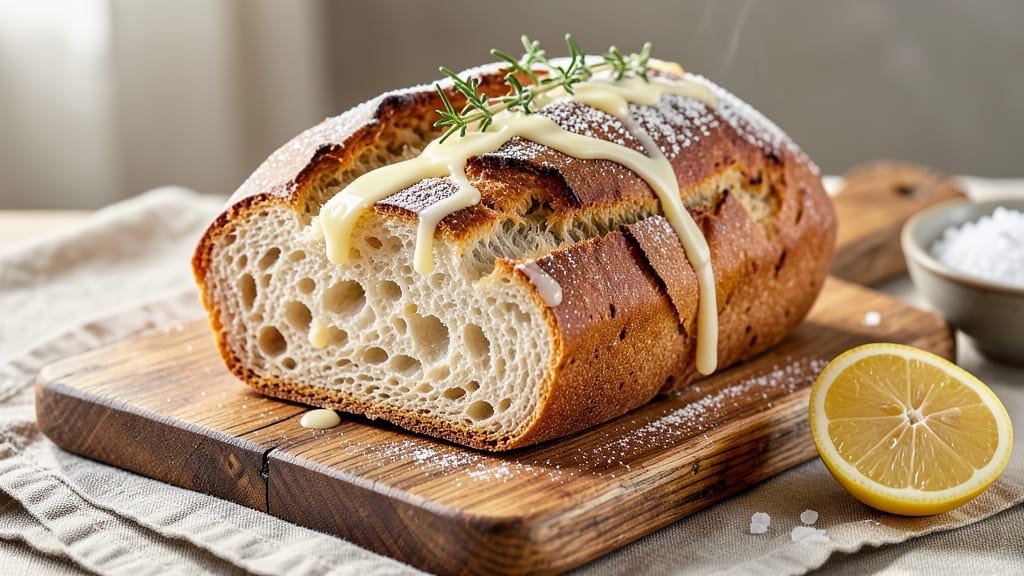
This Andy's East Coast Kitchen bread recipe delivers the perfect balance of rustic charm and rich flavor—crusty golden edges with a tender, chewy interior. 🔥 The signature cheddar walnut swirl adds depth and texture, making every slice unforgettable.
I’ve perfected this loaf to capture the warmth and heartiness of East Coast baking traditions, where bold flavors and artisanal techniques shine.
What sets this recipe apart is the foolproof method for achieving a crispy crust without a steamed environment. The dough comes together with simple ingredients—flour, yeast, and a touch of honey—but the magic happens in the slow rise and careful shaping.
The walnut and cheddar swirl adds a nutty, savory twist that pairs beautifully with soups, salads, or even as a standalone treat.
By the time you pull this loaf from the oven, you’ll have a perfectly browned crust with a crackling exterior and a soft, airy crumb inside. The walnuts stay crisp, and the cheddar melts just enough to create pockets of rich, tangy flavor.
This bread is designed to impress—whether you’re serving it at a family dinner or enjoying a slice with butter straight from the pan.
Ready in just under 2 hours (including rising time), this recipe is ideal for weekend baking or meal prep. The key is patience—letting the dough rise fully and baking at the right temperature ensures a loaf that’s both restaurant-quality and deeply satisfying.
Let’s get started on creating your own East Coast masterpiece.
Ingredients for andy's east coast kitchen bread
Simple ingredients, bold East Coast flavors—this loaf delivers crispy crust and chewy interior every time.
| Ingredient | Amount | Notes |
|---|---|---|
| All-Purpose Flour 🌾 | 5 cups | Plus 1 tbsp for dusting |
| Active Dry Yeast 🍞 | 2 ¼ tsp | Or 1 packet (2.25 tsp) |
| Granulated Sugar 🍚 | 1 tbsp | For yeast activation |
| Warm Water 💧 | 1 ¼ cups | 110°F (43°C) ideal |
| Unsalted Butter 🧈 | ½ cup | Cold, cubed (1 stick) |
| Large Egg 🥚 | 1 whole | Room temperature |
| Honey 🍯 | 2 tbsp | For sweetness and dough softness |
| Salt 🧂 | 1 ½ tsp | Diamond Crystal preferred |
| Sharp Cheddar Cheese 🧀 | 1 cup | Shredded, aged cheddar |
| Walnuts 🥜 | ½ cup | Toasted, roughly chopped |
| Extra-Virgin Olive Oil 🫒 | 2 tbsp | For dough and brushing |
| Cornmeal 🌽 | ¼ cup | For dusting baking sheet |
The flour is the foundation—King Arthur or Gold Medal work best for that tender crumb. Yeast matters too: Saf-Instant is foolproof, but regular active dry yeast works if dissolved in warm water first. For the cheddar, sharp aged cheddar like Cabot or Tillamook gives the best tangy flavor. Walnuts? Trader Joe's or Costco have pre-toasted for convenience, but toasting your own (5 minutes in a dry pan) adds depth. The butter should be cold when mixed in—this creates pockets for that signature airy crumb.
No sharp cheddar? Pepper jack or Gruyère work in a pinch, though flavor shifts. Substituting walnuts? Pecans or almonds toasted work, but texture changes. Running short on honey? Maple syrup at 1:1 ratio keeps the dough soft. For the yeast, if your kitchen's cold, warm the water to 110°F (43°C)—any hotter and you'll kill it. The cornmeal isn't optional: it prevents sticking and adds that perfect golden crust.
This dough needs patience—2 hours total rise time gives the best flavor. Store shaped loaves in the fridge overnight for even better flavor development. The walnut-cheddar swirl keeps for 3 days wrapped at room temperature, or 1 week frozen. For reheating, wrap in foil and bake at 350°F (175°C) for 10 minutes. Slice with a serrated knife for clean cuts—this bread is worth the effort.
Why You'll Love This Recipe
- Here’s what sold me: the crust stays tender but develops a golden sheen that cracks just enough for that buttery pull. No sad, dry bread here—it’s the kind you’ll fight over at picnics, and honestly? My kids now ask for it with peanut butter before I even finish baking.
- No-Yeast Fuss: I swear by this recipe because it skips the waiting game. Just toss in the yeast, let it sit for 10 minutes, and you’re shaping dough—no proofing box, no timing stress. That warm water and butter combo? It wakes up the yeast faster than my morning coffee.
- Buttery Soft Crust: Here’s what sold me: the crust stays tender but develops a golden sheen that cracks just enough for that buttery pull. No sad, dry bread here—it’s the kind you’ll fight over at picnics, and honestly? My kids now ask for it with peanut butter before I even finish baking.
- Weeknight Workhorse: This bread is my secret weapon for lazy nights. Toss it in a loaf pan for sandwiches, tear it into croutons for salads, or freeze half for toast later. I’ve even used it to soak up soup broth like a sponge—versatile enough to handle my chaotic schedule.
Step-by-step instructions for andy's East Coast kitchen bread recipe
Master the art of crafting a rustic cheddar walnut loaf with a crispy crown and tender crumb.
👨🍳 Step 1: Activate the Yeast and Mix the Dough Base
In a large mixing bowl, combine the 1.25 cups warm water (around 110°F) with the 1 tbsp granulated sugar and 2.25 tsp active dry yeast. Let this sit for 5-10 minutes until foamy. This activation step ensures your yeast is alive and ready to work—you'll know it's ready when you see small bubbles forming on the surface and a yeasty aroma develops.
In a separate bowl, whisk together the 5 cups all-purpose flour and 1.5 tsp salt. Create a well in the center and add the yeast mixture, 1 whole large egg, 2 tbsp honey, and 2 tbsp extra-virgin olive oil. The honey adds subtle sweetness while keeping the dough tender. Use a wooden spoon to mix until a shaggy dough forms, then turn it out onto a lightly floured surface.
👨🍳 Step 2: Knead and Incorporate the Cheese-Walnut Swirl
Knead the dough for 8-10 minutes until smooth and elastic, adding more flour only if needed to prevent sticking. The dough should pull away cleanly from the surface and spring back when poked. This kneading develops gluten, which gives your bread structure and that satisfying chew.
While the dough rests, prepare the filling by combining the 1 cup shredded sharp cheddar cheese and 0.5 cup toasted walnuts in a small bowl. Once your dough has doubled in size (about 1 hour at room temperature), punch it down and divide it into three equal pieces. Roll each piece into a 12-inch log, then layer them with the cheese-walnut mixture between each. Seal the edges tightly to create a single loaf with three distinct swirls.
🔥 Step 3: Shape and Proof the Dough
Shape the swirled dough into a round loaf and place it seam-side down in a greased 9x5-inch loaf pan. Brush the top with a little extra olive oil and dust with 0.25 cup cornmeal for that classic rustic look. Cover loosely with plastic wrap and let it proof for 1-2 hours until it rises 1-1.5 inches above the pan. The dough should feel springy when pressed gently.
Here's the thing—don't skip the proofing time. This is when the dough develops flavor and structure. If your kitchen is cold, extend the proofing time by 30 minutes. The ideal proofed dough will have a slight jiggle when shaken gently, indicating it's ready for the oven.
🔥 Step 4: Bake to Golden Perfection
Preheat your oven to 375°F with a baking stone or inverted baking sheet on the lower rack. This creates steam for that signature crusty crown. Once preheated, place the loaf pan on the baking stone and bake for 35-40 minutes until the top is deep golden brown and sounds hollow when tapped. The internal temperature should reach 190-200°F.
For that perfect crust, I like to spray the oven walls with water during the last 10 minutes of baking. This adds steam, which helps create a crispy top. If the cheese starts to brown too quickly, tent the loaf with aluminum foil. Let the bread cool in the pan for 10 minutes before transferring to a wire rack to cool completely.
Pro Tips For Making Andy'S East Coast Kitchen Bread
- Test Yeast First: Skip the guesswork—proof your yeast in the warm water with a pinch of sugar before mixing with dough. If it doesn’t bubble within 5-10 minutes, toss it and start fresh. I learned this the hard way after baking a flat, sad loaf from "dead" yeast hiding in my pantry.
- Soften Butter Properly: Cold butter makes tough dough; room temp butter makes it sticky and unworkable. Microwave in 10-second bursts, checking between each, until it’s just pliable—like soft peanut butter. No food thermometer? Press a finger into it; if it leaves a slight indent, you’re golden.
- Don’t Over-Knead: This dough’s magic is in the gentle handling. After 5-6 minutes of kneading by hand (or 3-4 on a stand mixer with the dough hook), it should spring back slowly when poked. Keep going, and you’ll end up with chewy, dense bread—no one wants that.
- Shape Loaves Tight: Pack the dough into your pan like you’re stuffing a sausage. Press the edges firmly against the sides to eliminate air pockets—this guarantees a uniform rise and a crisp crust. My first loaf looked perfect until it collapsed mid-bake because I skimped on this step.
Troubleshooting perfect results
Dough Too Sticky?
If your dough feels too sticky during kneading, resist the urge to add too much extra flour. Instead, wet your hands slightly and use the windowpane test: stretch a small piece of dough between your fingers until it's translucent. If it tears, knead for another 2-3 minutes.
I find King Arthur flour absorbs less water than others, so adjust accordingly. For stubborn stickiness, dust your work surface with semolina flour instead of all-purpose—it adds texture and prevents sticking better than regular flour.
Uneven Rise?
Cold kitchen? Your dough might rise unevenly. Place your mixing bowl in a warm oven (off) with a pan of hot water for 10 minutes to create a cozy environment. If using instant yeast, skip the activation step—just mix it directly with dry ingredients.
For room-temperature yeast, ensure your water is 110°F (43°C)—any hotter kills the yeast. I’ve had best results with dough rising in a 68-72°F (20-22°C) space, so adjust your proofing location if needed.
Flat Top After Baking?
A flat top usually means insufficient steam during baking. Preheat your oven with a baking stone or inverted tray on the lower rack, then spray oven walls with water every 10 minutes during baking.
For extra insurance, place an ice cube on the loaf’s top right before baking—it’ll create steam as it melts. If using a loaf pan, ensure it’s well-greased and the dough rises to 1 inch above the pan’s rim before baking. 🔥
Cheese Not Melting?
Cold cheese won’t melt properly. Gently warm your shredded cheddar cheese in a 200°F (93°C) oven for 5 minutes before mixing into the dough. For extra gooeyness, add 1 tbsp heavy cream to the cheese-walnut mixture.
If your oven runs hot, tent the loaf with foil after 20 minutes to prevent over-browning. I’ve found Cabot sharp cheddar melts best due to its higher fat content.
Dense Crumb Texture?
Over-kneading or under-proofing causes dense bread. Knead only until the dough passes the windowpane test (about 8-10 minutes), then let it rest 10 minutes before shaping. For proofing, use a proofing box or warm oven with the light on to maintain consistent 80°F (27°C) temperature.
If your kitchen is dry, cover the dough with a damp towel during proofing to retain moisture. Patience is key—rushing proofing leads to dense results.
Burnt Crust Too Fast?
High oven temperatures can brown the crust too quickly. Lower your oven to 350°F (175°C) for the first 20 minutes, then increase to 375°F (190°C)egg wash (1 egg + 1 tbsp water) before baking.
If the cheese browns unevenly, cover the loaf with foil after 15 minutes and uncover for the last 10 minutes to finish browning. A dark baking pan helps absorb heat evenly, preventing hot spots.
Nutrition facts
Frequently asked questions
Can I make this bread without a loaf pan?
Shape the dough into a free-form round or oval and place it on a parchment-lined baking sheet. Brush with olive oil and sprinkle with cornmeal. Bake at 375°F (190°C) for 30-35 minutes, rotating halfway for even browning. For extra crustiness, bake on a preheated stone or steel. The texture will be slightly denser than pan bread but still delicious.
How do I store leftover bread?
Wrap cooled slices tightly in plastic wrap or aluminum foil to maintain freshness. Store at room temperature for up to 3 days or freeze for 1 month. For reheating, wrap individual slices in foil and warm at 350°F (175°C) for 5-7 minutes until crispy. Toasting also works perfectly!
Why does my dough smell yeasty but not rise?
Cold water or expired yeast are common culprits. Ensure your water is 110°F (43°C)—not boiling—and use fresh yeast (test by dissolving in warm water with sugar; it should foam in 5-10 minutes). If your kitchen is chilly, proof the dough in a warm oven with the light on or near a sunny window.
Can I add other mix-ins besides walnuts and cheddar?
Yes! Try sunflower seeds and feta for a Mediterranean twist or crispy bacon bits and gouda for a smoky flavor. Keep mix-ins to ½ cup total to maintain dough consistency. Avoid wet ingredients like herbs or garlic—add them to the olive oil brushing instead for even distribution.
How do I slice this bread for the best texture?
Use a serrated knife and score the loaf first with a sharp blade to guide clean cuts. For crispy crust, slice just before serving. If storing, wrap the whole loaf in plastic and slice as needed. Avoid using a bread machine blade—it can compress the crumb and make slices gummy.