
Desserts
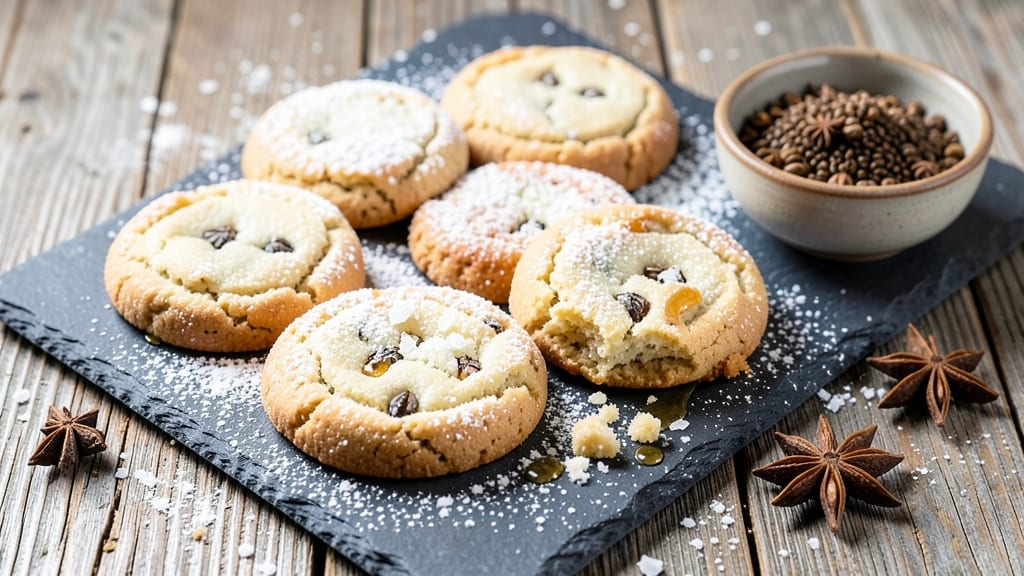
This anise shortbread cookie recipe delivers a sophisticated yet simple dessert with a signature licorice-kissed crunch that’s impossible to resist. The secret lies in the star anise, which infuses the buttery dough with a warm, aromatic depth that lingers with every bite.
Unlike traditional shortbread, these cookies develop a delicate crackle while staying tender inside—a perfect balance that’s both elegant and foolproof.
What sets these apart is the 10-minute prep time and 12-minute bake, making them ideal for last-minute gatherings or satisfying cravings. The dough comes together with just five ingredients—flour, butter, sugar, anise, and a pinch of salt—ensuring a clean, minimalist approach without sacrificing flavor.
The anise’s earthy-sweet notes shine through, especially when paired with a dusting of powdered sugar or a hint of citrus zest for brightness.
By the time they emerge from the oven, you’ll have golden, irregularly shaped cookies with crisp edges and a melt-in-your-mouth center. The anise’s subtle licorice warmth makes them uniquely addictive, whether enjoyed with tea, as a gift, or as a standalone treat.
No chilling required—just mix, shape, and bake for effortless perfection.
For extra indulgence, fold in dark chocolate chips or a sprinkle of flaky sea salt before baking. Store in an airtight container for up to a week, though they rarely last that long. This recipe proves that simple ingredients can create extraordinary results—with just a touch of anise magic.
Ingredients for anise shortbread cookie
Five core ingredients plus optional add-ins create these aromatic, melt-in-your-mouth cookies.
| Ingredient | Amount | Notes |
|---|---|---|
| Unsalted Butter 🧈 | 1 cup | Cold, cubed for even mixing |
| All-Purpose Flour 🌾 | 2 ½ cups | Sifted for light texture |
| Granulated Sugar 🍚 | ½ cup | Superfine preferred for smoothness |
| Ground Star Anise 🌿 | 1 ½ tbsp | Freshly ground for maximum aroma |
| Kosher Salt 🧂 | ½ tsp | Diamond Crystal preferred |
| Powdered Sugar 🍚 | ¼ cup | For dusting finished cookies |
| Dark Chocolate Chips 🍫 | ½ cup | Optional, 70% cocoa minimum |
| Flaky Sea Salt 🧂 | 1 tsp | For finishing, optional |
The star anise is non-negotiable—Penzeys Spices sells whole pods that you can toast and grind yourself for the deepest flavor. For convenience, Whole Foods carries pre-ground star anise with vibrant color, a sign of freshness. Butter should be cold and cubed when mixed to prevent overworking the dough. Flour matters too: King Arthur or Bread Flour yields a slightly chewier texture, while all-purpose keeps it classic. The sugar? Superfine dissolves faster, but regular granulated works if you pulse it briefly in a food processor.
No star anise? Anise extract at half the amount mimics the flavor, though it lacks the aromatic depth. Swap dark chocolate chips for white chocolate chunks or chopped dried apricots if preferred. The sea salt is purely optional but enhances the sweet-savory balance—Maldon flakes are ideal. For a citrus twist, add 1 teaspoon of lemon zest to the dough. If your kitchen lacks a food processor, use a pastry cutter or two knives to cut cold butter into flour until pea-sized crumbs form.
Wrapped in parchment, these cookies stay fresh for 5-7 days at room temperature. For longer storage, freeze shaped dough balls on a tray, then transfer to a bag for up to 3 months. Bake from frozen, adding 1-2 minutes. The powdered sugar dusting should be done immediately after baking while still warm—use a fine-mesh sieve for an even coating. Leftovers? Store in an airtight container with a slice of bread to absorb moisture.
Why You'll Love This Recipe
- No Mixer Needed: I swear by this—just cold butter, flour, and a fork. Honestly, the dough comes together in minutes with no fancy techniques, and the texture is buttery perfection every time.
- Licorice-Like Magic: That star anise? It’s the secret weapon—subtle, warm, and just sweet enough to make these taste like a fancy dessert without trying too hard. (Yes, even if you’re not a licorice fan.)
- Holiday or Snack Attack: These freeze like champs, so I bake a batch in December and pull them out all year. They’re great with tea, as a gift, or just straight from the jar when you’re craving something simple.
- Pantry Staple Power: Butter, sugar, flour—you’ve got this. No weird ingredients, no last-minute store runs. And because they’re small, one batch stretches forever, so you’re never scrambling for more.
Step-by-step instructions for anise shortbread cookies
This method delivers delicate, buttery shortbread with a distinct licorice aroma and perfect texture.
Cut and Mix Cold Butter with Dry Ingredients
Place the 1 cup unsalted butter in a food processor fitted with the metal blade. Pulse until the butter is finely chopped into small pea-sized pieces—this ensures even distribution throughout the dough. Add the 2.5 cups all-purpose flour, 0.5 cup granulated sugar, 1.5 tbsp ground star anise, and 0.5 tsp kosher salt all at once.
Pulse the mixture for 10-12 seconds on low speed, just until the dry ingredients are evenly combined with the butter. You're looking for a crumbly texture with some visible butter flecks—this prevents a dense, cakey texture. Avoid over-processing, or the butter will melt and create a gummy dough. The star anise will release its aromatic oils during this step, giving the cookies their signature licorice note.
Incorporate Chocolate Chips and Form Dough
Add the 0.5 cup dark chocolate chips to the food processor and pulse 3-4 times until they're evenly distributed. The dough should resemble coarse crumbs with chocolate specks throughout. If the mixture appears too dry, press it together briefly—it will come together when chilled.
Transfer the dough to a bowl, press it into a disc, wrap it tightly in plastic wrap, and refrigerate for 30 minutes. This chilling step is critical—it firms up the butter, allowing the cookies to hold their shape during baking and develop that signature shortbread crunch. I like to press the dough into a uniform disc now to make rolling later easier.
Roll and Cut Uniform Shapes
Preheat your oven to 325°F while the dough chills. On a lightly floured surface, roll the dough to ¼-inch thickness using a rolling pin. I find a 10-inch pizza stone works perfectly for this—it gives me a consistent surface. Use a 2-inch round cutter to cut out uniform circles, then transfer them to a parchment-lined baking sheet, spacing them 1 inch apart. The dough will expand slightly during baking, so don't crowd the pan.
For extra flavor, lightly brush the tops with melted butter and sprinkle with 1 tsp flaky sea salt before baking. This step enhances the buttery richness and adds a delightful contrast to the sweet anise flavor. The salt should melt slightly during baking, creating those beautiful salt crystals on the surface.
Bake to Golden Perfection
Bake the cookies for 12-14 minutes until the edges are golden brown and the centers look just slightly underdone. The star anise aroma should be noticeably stronger in the kitchen at this point. Rotate the baking sheet halfway through for even baking—shortbread cookies can develop hot spots if left undisturbed.
Remove the cookies from the oven and let them cool on the baking sheet for 5 minutes before transferring to a wire rack. While still warm, dust the tops with 0.25 cup powdered sugar using a fine-mesh sieve. This creates that signature snowy finish while the cookies are still soft. The powdered sugar will melt slightly into the warm butter, creating a delicate glaze.
Pro Tips For Making Anise Shortbread Cookie
- Chill the Dough Hard: I learned this the hard way—skipping the fridge means cookies that spread into sad, flat pancakes. Wrap the dough in plastic and freeze it for at least 1 hour (or overnight). The anise flavor needs time to settle, and cold butter holds its shape better when it hits the oven.
- Use Cold Butter, Not Soft: Your butter should look like it belongs in a snowman, not a smoothie. Cut it into cubes and refrigerate them while mixing—this keeps the cookies tender, not greasy. I used to take it straight from the fridge and wondered why my shortbread turned out like hockey pucks.
- Measure Anise Precisely: A teaspoon of ground star anise isn’t just a teaspoon—it’s exactly 1 teaspoon. Too much, and your cookies taste like a spice cabinet exploded; too little, and you missed the point. Use a proper measuring spoon, not a shaky pinch.
- Press Dough Lightly, Not Hard: Shortbread dough is finicky—don’t manhandle it. Press the dough into the pan just enough to fill the edges, then smooth it out with your fingers. Overpacking makes the cookies dense, and nobody wants that. Think "gentle" here.
Pro cooking tips for this recipe
Butter Temperature Mastery
Cold butter is non-negotiable for perfect anise shortbread. Use cold, cubed butter straight from the fridge—never softened or melted. The tiny butter pieces should remain firm when mixed with flour, creating that signature crumbly texture.
If your kitchen is warm, chill the butter for 10 minutes before processing. I’ve learned the hard way: melted butter leads to dense, cakey cookies instead of the delicate crunch you want. 🧈
Pulse, Don’t Overmix
The food processor does all the work here, but timing is everything. Pulse the dough for only 10-12 seconds—just until the butter is pea-sized and the flour is evenly distributed. Overmixing releases too much butterfat, weakening the gluten structure.
Stop when the mixture looks like coarse crumbs with visible butter flecks. For a true shortcut, use a pastry cutter or two knives to cut the butter into the flour by hand until it resembles cornmeal. This old-school method works beautifully and gives you control over texture.
Chilling for Structure
Never skip the 30-minute chill—this is where the magic happens. The cold butter needs time to firm up, preventing the cookies from spreading too much in the oven. Press the dough into a disc before wrapping it in plastic to make rolling easier later.
Pro tip: Place the chilled dough between two sheets of parchment paper before rolling. This prevents sticking and ensures clean edges when you cut the shapes. If your kitchen is warm, chill the dough for an extra 10 minutes to be safe.
Rolling Pin Precision
Roll the dough to a ¼-inch thickness for consistent baking. Use a 10-inch pizza stone as your rolling surface—it’s sturdy and gives you a flat, even base. If you don’t have a stone, a clean countertop works, but flour it generously to prevent sticking.
Press down firmly but evenly—uneven pressure leads to lumpy cookies. For extra flavor, lightly brush the rolled dough with melted butter before cutting. This adds a subtle richness that complements the anise’s warmth.
Baking Time Secrets
Shortbread bakes fast, so keep an eye on them after 10 minutes. The edges should be golden brown, but the centers will still look slightly underdone. Rotate the baking sheet halfway through for even heat distribution—this prevents one side from overbaking while the other stays pale.
If your oven runs hot, reduce the temperature to 320°F and bake for 14 minutes. The star anise aroma will fill your kitchen, signaling they’re nearly done. 🌿
Powdered Sugar Finish
Dust the warm cookies with powdered sugar immediately after baking while they’re still soft. Use a fine-mesh sieve for an even, snowy coating—this creates that signature shortbread finish. The sugar will melt slightly into the warm butter, forming a delicate glaze.
For a professional touch, sift the sugar over the cookies while they’re still on the baking sheet, then transfer them to a wire rack to cool completely. This step elevates the cookies from good to showstopping.
Nutrition facts
Frequently asked questions
Can I substitute star anise with anise extract?
Yes, but use only 0.5 teaspoon anise extract instead of the 1.5 tablespoons ground star anise. The extract is more concentrated, so too much will overpower the delicate butter flavor. Freshly ground star anise delivers the best aroma, but extract works in a pinch. For a middle ground, try ½ teaspoon anise extract plus 1 teaspoon ground anise for balanced flavor.
Why did my anise shortbread turn out dense instead of crumbly?
Overmixing is the most common culprit—pulse the dough for just 10-12 seconds in the food processor. If your butter was too warm or melted, the cookies will lose their signature crunch. Always use cold, cubed butter straight from the fridge. For extra insurance, chill the dough an additional 10 minutes if your kitchen feels warm.
How do I store these cookies to keep them fresh?
Store in an airtight container at room temperature for up to 5-7 days. For longer storage, freeze shaped dough balls on a tray, then transfer to a bag for up to 3 months. Bake from frozen, adding 1-2 extra minutes. The powdered sugar coating helps maintain freshness—just re-dust before serving if needed.
What shapes can I cut these cookies into besides circles?
Get creative! Use a 2-inch star cutter for festive shapes or a rectangle cutter for elegant tea sandwiches. For rustic appeal, roll the dough to ½-inch thickness, cut into strips, then twist before baking. The ¼-inch thickness works best for classic shortbread texture, but thicker cuts create a heartier cookie. Always chill the dough before cutting for clean edges.
Can I make these gluten-free?
Yes, but results may vary. Replace the all-purpose flour with a 1:1 gluten-free baking flour blend like Bob's Red Mill. Add ½ teaspoon xanthan gum to improve texture. Expect slightly denser cookies—the gluten-free structure doesn't hold crumbly texture as well. For best results, use a mix designed for cookies and consider adding 1 extra tablespoon of cold butter to compensate for lower moisture content.