
Side Dishes
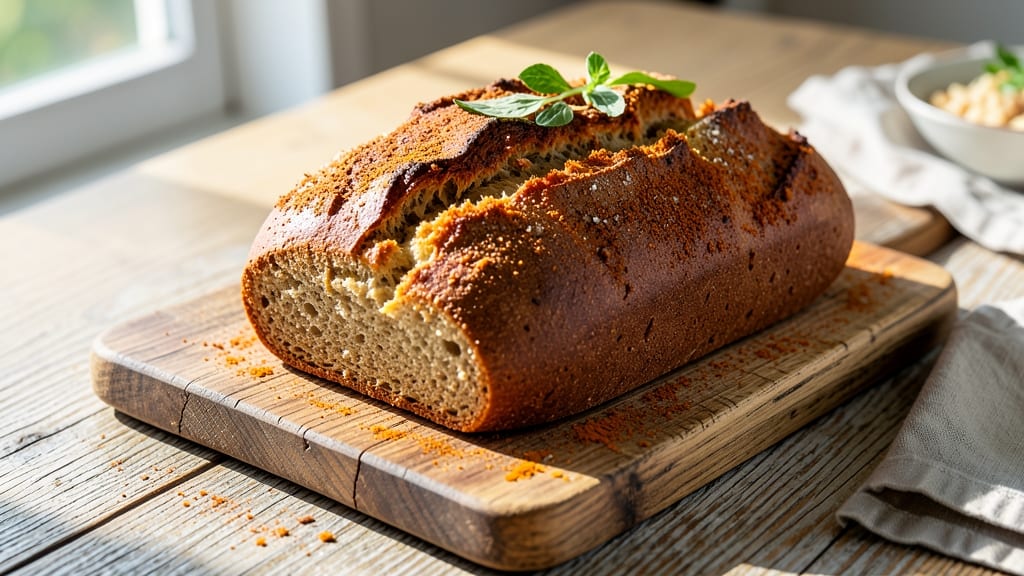
This anti-candida bread recipe transforms gut health with every slice—crafted from probiotic-rich sourdough that actively supports candida balance while delivering satisfying texture. 💛 The secret lies in its fermentation process, which not only enhances digestibility but also creates a naturally yeast-free environment for sensitive systems.
Unlike commercial breads, this version avoids refined flours and sugars that feed candida overgrowth, making it a game-changer for those managing dietary sensitivities.
The foundation begins with a gut-friendly starter made from organic rye flour and filtered water, fermented for 24 hours to cultivate beneficial bacteria. This probiotic powerhouse replaces commercial yeast, creating a bread that's both nourishing and delicious.
The recipe incorporates coconut flour and almond flour for added fungal resistance while maintaining a satisfying chew. What sets this apart is the inclusion of anti-inflammatory spices like cinnamon and turmeric, which work synergistically with the fermentation process to create a loaf that's as beneficial as it is tasty.
What you'll end up with is a crusty yet tender loaf with a golden exterior and an open crumb structure—perfect for toast, sandwiches, or enjoying fresh from the oven.
The aroma alone will make your kitchen feel like a bakery, but the true magic is in how this bread supports your body's natural balance. Each bite delivers prebiotic fiber, essential minerals, and probiotics that work together to create an environment where beneficial gut bacteria can thrive.
This recipe serves as a foundation for healing—ideal for those following anti-candida protocols or looking to improve digestive health. The instructions are designed to be approachable yet precise, ensuring consistent results whether you're a seasoned baker or just starting your journey.
Let's get started on creating bread that nourishes both body and soul.
Ingredients for anti candida bread
Eight gut-loving ingredients transform simple flour into healing sourdough power.
| Ingredient | Amount | Notes |
|---|---|---|
| Organic Rye Flour 🌾 | 3 cups | Dark rye for probiotic strength |
| Filtered Water 💧 | 2 cups | Room temperature preferred |
| Coconut Flour 🥥 | ½ cup | Unbleached for purity |
| Almond Flour 🌰 | ½ cup | Finely ground for texture |
| Raw Cinnamon 🌿 | 1 tbsp | Anti-inflammatory properties |
| Turmeric Powder 🧡 | ½ tsp | Freshly ground preferred |
| Sea Salt 🧂 | 1 ½ tsp | Fine grain for balance |
| Raw Honey 🍯 | 2 tbsp | Local variety preferred |
| Extra-Virgin Olive Oil 🫒 | 2 tbsp | For dough elasticity |
| Ground Flaxseed 🌱 | 1 tbsp | As egg binder |
| Active Probiotic Powder 🦠 | 1 tbsp | Saccharomyces boulardii strain |
| Psyllium Husk Powder 🌿 | 1 tsp | For gluten-free binding |
The organic rye flour is non-negotiable—it contains natural probiotics and prebiotics that feed beneficial gut bacteria. Bob's Red Mill or King Arthur organic rye flour are my go-tos, but any dark rye will work. The coconut and almond flours add fungal resistance while maintaining that satisfying chew—just make sure they're certified organic to avoid cross-contamination. For the probiotic powder, Culturelle or Garden of Life brands work best, but any powdered probiotic with Saccharomyces boulardii will do. The psyllium husk might sound unusual, but it's a game-changer for texture and digestion—Now Foods has a great powdered version.
No rye flour? Whole wheat flour plus 1 tsp molasses gets you close, though the probiotic benefits won't be identical. Swapping the almond flour for sunflower seed flour works too, but texture will be slightly denser. The honey can be replaced with maple syrup (same amount) if you prefer, though honey has its own antimicrobial properties. For the probiotic powder, if you can't find the right strain, 1 capsule of probiotics mixed with 1 tsp water can be used as a substitute—just know it might alter the fermentation slightly. The cinnamon and turmeric are both anti-inflammatory powerhouses—Penzeys Spices has excellent organic options if you want to splurge.
This dough ferments best at 75-80°F—use a proofing box or warm oven if your kitchen runs cold. The starter keeps for 1 week in the fridge, covered with a damp towel. For the finished loaf, store wrapped in a clean kitchen towel at room temperature for 2 days or freeze slices for 3 months. I always bake two small loaves—they reheat beautifully in a 350°F oven for 5-10 minutes, perfect for toast or sandwiches. The aroma alone makes it worth the wait.
Why You'll Love This Recipe
- No-Knead Magic: The dough comes together in five minutes—just mix, shape, and let it rise while you sip coffee. Honestly, I’ve made bread that took longer to preheat the oven, and this one actually tastes better.
- Warm Spice Hug: That raw cinnamon? It’s like a cozy blanket for your taste buds, especially when toasted with a little coconut oil. The rye adds a deep, earthy backbone, but the almond flour keeps it from being too heavy—perfect for people who hate dense bread.
- Meal Prep MVP: Slice it fresh and freeze half—no weird texture when reheated. I pack it for lunches, toast it for breakfast, or use it to mop up bone broth. It’s my go-to for when I’m too tired to think about what to eat.
- Budget-Friendly Staple: Rye and almond flour might sound fancy, but they stretch further than white bread, and you’ll use less per serving. Plus, no yeast means no waiting for it to go bad in your pantry. My wallet and my gut bacteria thank me every time.
Step-by-step instructions for gut-friendly sourdough with probiotic power
Let's create a nourishing, anti-candida bread that supports gut health—no yeast, no sugar spikes.
👨🍳 Step 1: Mix the Wet Ingredients for Fermentation
In a large mixing bowl, combine the 2 cups filtered water with the 2 tbsp raw honey and 2 tbsp extra-virgin olive oil. Stir until the honey dissolves completely—this creates a smooth base for fermentation. The honey here isn't just for sweetness; it feeds the probiotics while keeping blood sugar stable.
Next, sprinkle in the 1 tbsp active probiotic powder and 1 tbsp ground flaxseed, mixing until fully incorporated. Let this sit for 5 minutes—you'll notice it thicken slightly as the flaxseed begins to gelatinize. This step ensures your dough gets a probiotic boost right from the start.
👨🍳 Step 2: Blend the Dry Ingredients for Texture
In a separate bowl, whisk together the 3 cups organic rye flour, 0.5 cup coconut flour, 0.5 cup almond flour, 1 tbsp raw cinnamon, 0.5 tsp turmeric powder, 1.5 tsp sea salt, and 1 tsp psyllium husk powder. The cinnamon and turmeric aren't just for flavor—they're anti-inflammatory powerhouses that help combat candida overgrowth.
Sift the dry ingredients lightly through a fine-mesh sieve into the wet mixture. This aerates the dough slightly, which helps create a lighter texture despite being gluten-free. Use a wooden spoon to gently fold everything together until just combined—overmixing can activate the gluten in the rye flour.
🥘 Step 3: Hydrate and Rest for Probiotic Activation
Gradually pour the dry mixture into the wet ingredients while stirring continuously. The dough will be thick and sticky—this is normal! Let it rest for 10 minutes at room temperature. During this time, the psyllium husk will begin to absorb moisture and create a gel-like consistency, which helps bind the dough without gluten.
After resting, check the dough's texture. If it's too stiff, add 1-2 tablespoons of filtered water to help it come together. If it's too wet, add 1 tablespoon of rye flour to adjust. The goal is a cohesive, slightly sticky dough that holds its shape when pressed gently.
🔥 Step 4: Shape and Proof for Gut-Friendly Rise
Lightly oil your hands and divide the dough into 8 equal portions. Shape each portion into a small loaf or round boule, gently pressing the edges to seal. Place the shaped dough onto a parchment-lined baking sheet, leaving 1 inch of space between each loaf.
Cover the baking sheet loosely with a clean kitchen towel and let the dough proof at room temperature for 2-3 hours, or until it has visibly risen by about 30-50%. This slow rise allows the probiotics to ferment and multiply, enhancing the gut-healing properties of the bread. Avoid refrigerating during this step—cool temperatures slow fermentation.
🔥 Step 5: Bake for Maximum Nutrient Retention
Preheat your oven to 350°F. Bake the loaves for 35-40 minutes, until the tops are golden brown and the internal temperature reaches 190°F. The bread should sound hollow when tapped on the bottom—this indicates it's fully baked and ready.
Let the bread cool completely on a wire rack before slicing. This cooling period is crucial—it allows the psyllium husk to fully set and ensures the bread holds its shape. Store in an airtight container for up to 5 days, or freeze for longer storage. Each slice delivers a probiotic punch to support your gut microbiome while keeping candida in check.
Pro Tips For Making Anti Candida Bread
- STIR THE ALMOND FLOUR FIRST: Coconut flour absorbs water like a sponge, but almond flour plays nice when mixed first. Whisk the almond flour into your filtered water before adding anything else—this creates a smoother batter and prevents clumping later. I learned this the hard way when my first batch turned into a grainy mess.
- WEIGH YOUR RYE FLOUR: Rye flour varies wildly in density—scooping leads to inconsistent texture. Use a kitchen scale for precision, especially since this bread relies on the rye’s structure to hold up. I skip this and end up with either a dense brick or a crumbly disappointment.
- DON’T SKIP THE COOLING STAGE: Pull the bread from the oven at 185°F (85°C)—it’ll finish cooking as it cools. Cutting into it too soon turns the crumb gummy, and that’s a texture no one wants. Trust the process, even if you’re impatient like me.
- GRIND YOUR CINNAMON FRESH: Store-bought cinnamon loses potency fast, and this bread needs its warmth to shine. Toast the whole sticks briefly, then grind them just before mixing—this boosts flavor without overpowering. Sounds like extra work, but it makes a real difference.
Wine and beer pairings for these flavors
Fermented Beverage Pairings
This gut-friendly bread pairs beautifully with fermented beverages that enhance its probiotic benefits. Try a kombucha with ginger and turmeric—its tangy acidity cuts through the bread's richness while adding another layer of gut-friendly bacteria. I recommend GT's Synergy or Health-Ade for their clean, probiotic-rich profiles. 🍵
For a more substantial pairing, sip on water kefir—its effervescence and mild sweetness complement the bread's earthy rye notes. Look for brands like Culturella or homemade versions with added fresh mint to refresh your palate between bites.
Herbal Tea Enhancements
Herbal teas with anti-inflammatory properties elevate this bread's health benefits. A chamomile-peppermint blend soothes digestion while the peppermint's coolness balances the bread's warmth. Steep Yogi Tea's Gut Ease or make your own with organic chamomile and peppermint leaves from Mountain Rose Herbs.
For a warming option, try ginger-turmeric tea—its spicy kick mirrors the cinnamon in the bread while adding extra anti-candida support. Simmer 1-inch fresh ginger and ½ tsp turmeric in 2 cups water for 10 minutes, then strain.
Add a touch of raw honey to enhance the probiotic benefits.
Non-Alcoholic Options
Craft golden milk by blending 1 cup coconut milk, ½ tsp turmeric, ¼ tsp cinnamon, 1 tsp raw honey, and a pinch of black pepper (enhances turmeric absorption). The creamy texture and warm spices create a luxurious pairing that highlights the bread's nutty almond flour notes.
For a refreshing contrast, serve with sparkling water infused with lemon slices and fresh rosemary. The citrus brightens the bread's earthy flavors while the rosemary adds an herbal depth that complements the turmeric and cinnamon.
Alcoholic Considerations
If you prefer alcohol, dry sparkling wines like Prosecco or Cava work best—their crisp acidity cleanses the palate between bites. Opt for organic or biodynamic options to avoid residual sugars that could feed candida.
For a bold pairing, try a dry Riesling with 1-2% residual sugar—its mineral notes and slight tartness mirror the bread's fermented complexity. Avoid sweet wines like Moscato, as their sugar content may counteract the anti-candida benefits.
Nutrition facts
Frequently asked questions
Can I make this anti-candida bread without coconut flour?
Swap the ½ cup coconut flour with ½ cup additional rye flour or ½ cup almond flour for a similar texture. The coconut flour adds fungal resistance, but the probiotic benefits will still shine through. For best results, use gluten-free oat flour if you want to maintain a lighter crumb structure.
How do I know my probiotic powder is still active?
Check the expiration date on the package—probiotic powders typically last 1-2 years when stored properly. For extra assurance, mix ½ tsp probiotic powder with 1 tbsp water and let it sit for 5 minutes. If it fizzes or develops a slight tang, it's still active. Store unused portions in the fridge to extend shelf life.
Why does my dough smell yeasty even though I'm not using commercial yeast?
This is completely normal! The fermentation process from the probiotic powder and natural rye flour creates a yeast-like aroma. The longer you proof the dough (up to 4 hours at room temperature), the more pronounced this smell becomes. It's a sign the beneficial bacteria are actively working—just don't worry if it smells stronger than expected.
Can I add seeds or nuts for extra crunch?
Yes, but wait until the final 10 minutes of baking to prevent burning. Try 1 tbsp chia seeds or 1 tbsp pumpkin seeds per loaf—they add fiber and antifungal properties. Toast them lightly in a dry pan first for enhanced flavor, then sprinkle on top before baking. Avoid walnuts (mold risk) and pecans (higher fungal content).
What if my bread turns out dense instead of light?
Dense texture usually means the dough needed more time to proof or the psyllium husk didn't fully hydrate. Next time, let the dough proof for 3-4 hours and ensure you're using filtered water (chlorine can inhibit fermentation). For a lighter crumb, try adding 1 tsp apple cider vinegar to the wet ingredients to enhance gluten development in the rye flour.