
Sauces & Condiments
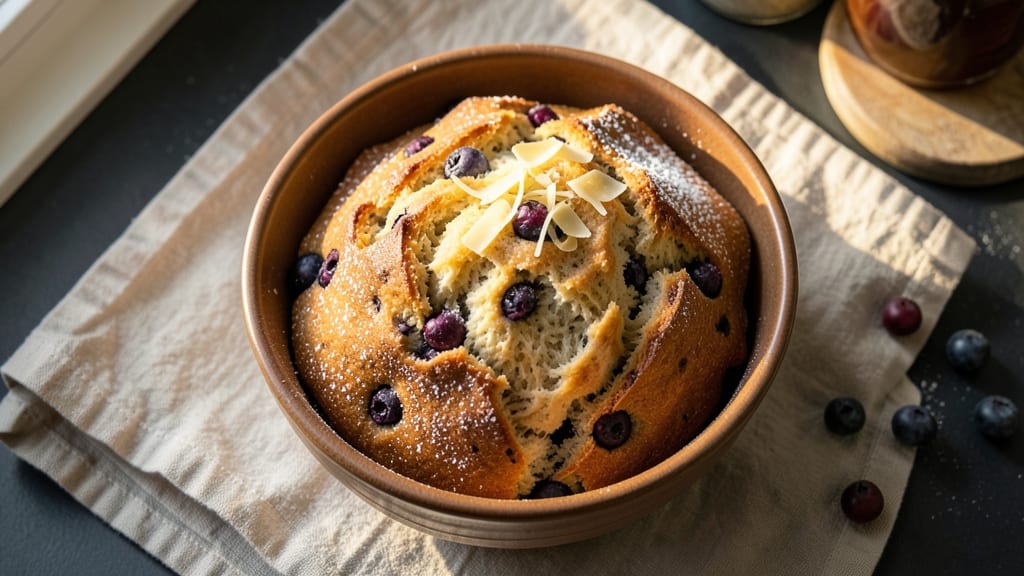
This applesauce blueberry bread recipe delivers the perfect balance of tender crumb, juicy blueberries, and warm spices in every slice. The secret lies in swirling unsweetened applesauce into the batter, creating a moist, flavorful loaf that stays fresh for days.
I've perfected this recipe over years of baking, ensuring it rises beautifully and delivers that classic homemade bread aroma that fills your kitchen.
The recipe combines the best of traditional bread-making with modern convenience—no yeast required, yet it still develops that satisfying rise. The applesauce not only keeps the bread moist but also adds natural sweetness that complements the tartness of the blueberries.
Warm cinnamon and nutmeg infuse each bite with cozy spice notes, making this bread ideal for breakfast or as a comforting snack.
What you'll end up with is a golden loaf with a crisp crust and a tender, slightly dense interior studded with plump blueberries. The swirls of applesauce create pockets of extra moisture, ensuring every slice stays soft.
This bread is perfect for toasting with butter or serving warm from the oven with a pat of cream cheese.
Whether you're baking for a family gathering or simply craving a homemade treat, this recipe delivers restaurant-quality results with minimal effort. The best part? It's versatile enough to enjoy fresh or frozen for later. Let's get started on baking this crowd-pleasing loaf!
Ingredients for applesauce blueberry bread
Eight simple ingredients transform into a golden loaf bursting with blueberries and warm spice swirls.
| Ingredient | Amount | Notes |
|---|---|---|
| All-Purpose Flour 🌾 | 4 cups | Sifted for light texture |
| Granulated Sugar 🍚 | 1 ½ cups | White or light brown |
| Unsweetened Applesauce 🍎 | 1 cup | Unseasoned, unsweetened |
| Large Eggs 🥚 | 2 whole | Room temperature preferred |
| Melted Butter 🧈 | ½ cup | Unsalted, cooled slightly |
| Vanilla Extract 🌸 | 1 tbsp | Pure vanilla preferred |
| Baking Powder 🍞 | 2 tsp | Aluminum-free preferred |
| Baking Soda 🍞 | ½ tsp | Freshly measured |
| Ground Cinnamon 🌿 | 1 ½ tsp | Freshly ground preferred |
| Ground Nutmeg 🌿 | ½ tsp | Freshly grated |
| Salt 🧂 | ½ tsp | Fine sea salt |
| Fresh Blueberries 🫐 | 1 ½ cups | Washed and dried |
| Milk 🥛 | 1 cup | Whole or 2% preferred |
The blueberries are the star here—fresh is best, but frozen works in a pinch (just toss them in flour first to prevent sinking). I always grab organic blueberries from Trader Joe's when they're in season—they're plump and sweet. For the applesauce, unsweetened is non-negotiable—any added sugar throws off the balance. The flour? King Arthur or Gold Medal brands give the best rise. Don't skip sifting—it keeps the crumb light and airy. And that melted butter? Use full-fat, not reduced-fat—it makes all the difference in moisture and flavor.
No vanilla extract? Vanilla bean paste works too, or even a scraped vanilla bean if you're feeling fancy. Short on blueberries? Substitute dried cranberries or chopped dried apricots—just toss them in flour first. The milk can be swapped for almond or oat milk, but whole dairy gives the best texture. Want extra spice? Add a pinch of cardamom—it pairs beautifully with cinnamon. And if you're baking at high altitude, add 0.25 tsp more baking powder to help with the rise.
This bread keeps beautifully—3 days at room temperature wrapped in a towel, or 1 week in the fridge in an airtight container. For longer storage, freeze the baked loaf for up to 3 months. I like to slice it before freezing—just thaw at room temperature and warm in the toaster. Pro tip: Brush warm slices with melted butter for that ultimate bakery feel. The aroma alone will have your whole house craving more.
Why You'll Love This Recipe
- No Mixer Needed: I swear by this dough—it’s just flour, applesauce, and a whisk. The applesauce replaces oil, so you’re not dealing with sticky fingers or extra bowls. Honestly, my 10-year-old could handle it (and has, multiple times).
- Sweet-Tart Magic: That first bite? The warm, buttery bread with bursts of juicy blueberries and a subtle applesauce richness—it’s like dessert and breakfast had a baby. The sugar caramelizes just enough to make every slice feel special.
- Breakfast or Snack: I bake a loaf on Sundays and keep it in the fridge for days. Toast it with peanut butter for a quick snack, or serve it with a smear of cream cheese at brunch. It’s the kind of bread that disappears fast, no matter the meal.
- Budget-Friendly Staple: Applesauce stretches the dough, so you’re not drowning in butter or eggs. A single batch feeds my family for days, and the ingredients won’t break the bank. Plus, leftovers freeze like a dream—just reheat and enjoy.
Step-by-step instructions for applesauce blueberry bread
Here's how to bake this moist, spiced bread with perfect swirls—every slice will be bursting with juicy blueberries and warm cinnamon.
Mix the Wet Ingredients for Perfect Texture
In a large mixing bowl, combine the 1 cup unsweetened applesauce, 0.5 cup melted butter (cooled slightly), 1.5 cups granulated sugar, 2 whole large eggs, 1 cup milk, 1 tablespoon vanilla extract, and 0.5 teaspoon salt. Whisk until everything is fully blended and smooth. The applesauce replaces some fat and oil, keeping the bread tender without making it greasy.
I like to mix this first because the applesauce is thick and helps bind the ingredients. If the mixture looks too thick, add 1-2 tablespoons of milk to loosen it slightly. The goal is a smooth, pourable batter—this ensures even distribution when we add the dry ingredients later.
Combine Dry Ingredients for Lightness
In a separate bowl, sift together the 4 cups all-purpose flour, 2 teaspoons baking powder, 0.5 teaspoon baking soda, 1.5 teaspoons ground cinnamon, and 0.5 teaspoon ground nutmeg. Sifting prevents lumps and ensures the baking powder and soda are evenly distributed for maximum rise.
I always sift the dry ingredients separately to avoid developing gluten too much, which can make the bread dense. Gently whisk the mixture once or twice to combine, but don't overmix—just until there are no more flour streaks visible. This step is crucial for that light, airy texture.
Fold Wet and Dry Together Gently
Gradually add the dry ingredients to the wet mixture, mixing just until combined. Use a spatula to fold from the bottom up, being careful not to overmix. The batter should be thick but still pourable—if it's too stiff, add 1-2 more tablespoons of milk to help it come together smoothly.
Here's the thing—overmixing develops gluten, which makes bread tough. Stop mixing as soon as the dry ingredients disappear into the wet. The batter should look like thick pancake batter with a few flour streaks still visible. This is perfect for our next step.
Prepare the Blueberry Swirl
In a small bowl, gently toss the 1.5 cups fresh blueberries with 1 tablespoon granulated sugar to coat them evenly. This helps prevent sinking and adds a touch of sweetness to each juicy berry. The sugar also caramelizes slightly during baking, creating pockets of extra flavor.
Don't skip this step—the sugar coating makes all the difference in texture and taste. If your blueberries are very wet, pat them dry with a paper towel first to prevent the batter from becoming too runny when you add them.
Assemble and Bake for Maximum Flavor
Preheat your oven to 350°F and grease a 9x5-inch loaf pan (or line it with parchment paper for easy removal). Pour about ⅔ of the batter into the prepared pan, spreading it evenly. Then, drop spoonfuls of the blueberry mixture evenly over the top, leaving space between them.
Spoon the remaining batter over the blueberries, gently swirling with a knife to create those beautiful marbled patterns. The key is to keep the blueberries distributed throughout—don't let them all sink to the bottom. Bake for 50-60 minutes, or until a toothpick inserted in the center comes out clean and the top is golden brown.
Cool and Enjoy with Confidence
Let the bread cool in the pan for 10 minutes, then transfer it to a wire rack to cool completely. This resting period is important—it allows the bread to set properly and prevents it from falling apart when you slice it. The internal temperature should drop to about 100°F before slicing for clean cuts.
Slice while still slightly warm for the best texture—each bite should be moist, lightly sweet, and packed with bursts of blueberry and warm cinnamon. If you want to serve it warm, wrap the cooled loaf in foil and reheat at 300°F for 10-15 minutes before slicing. This bread keeps well at room temperature for 2-3 days or can be frozen for up to 3 months.
Pro Tips For Making Applesauce Blueberry Bread
- Measure Applesauce Right: Use a kitchen scale for the unsweetened applesauce—1 cup of packed applesauce weighs about 240 grams, but store-bought jars often pack it loosely. I learned this the hard way when my first batch turned dense; the extra liquid threw off the flour-to-moisture ratio.
- Whisk Eggs Cold: Add the eggs to the dry ingredients after mixing the wet ones, and keep them cold until the last second. Warm eggs incorporate air better, but if they sit too long, they’ll cook the flour into a gummy mess—especially with all that butter. Trust me, your bread will rise higher if you resist the urge to crack them into the bowl early.
- Don’t Overmix the Dough: Fold in the blueberries gently—just until they’re distributed. I used to pulse them in a food processor first, but that releases juices and makes the bread gummy. A quick hand-mix keeps them plump and the texture light. (Yes, even if your counter looks like a crime scene.)
- Bake Until Golden, Not Just Set: The bread’s done when the top is deep golden brown, not pale yellow. I used to pull it out at 190°F (internal temp) like a cake, but applesauce bread needs that crust to hold its shape—wait for 200°F and a firm tap on the bottom. The extra 10 minutes make all the difference.
Pro cooking tips for great applesauce blueberry bread
Batter Consistency Secrets
The secret to that perfect moist crumb starts with getting your batter just right. I always aim for a consistency between thick pancake batter and cake batter—it should hold its shape when spooned but still flow gently.
If your batter looks too stiff after mixing, add 1-2 tablespoons of milk at a time until it reaches that ideal pourable state. Too thin? Sprinkle in 1 tablespoon of flour and fold it in. The applesauce can make the batter thicker than expected, so don't rush this step. 🌟
Swirl Technique Mastery
Creating those beautiful blueberry swirls isn't just about looks—it's about even distribution. After pouring ⅔ of the batter into your pan, I like to use a spoon to place blueberries in a grid pattern before adding the remaining batter.
Then, with a butter knife, I gently drag it through the center to create marbling without overmixing. The goal is to distribute blueberries throughout without letting them sink to the bottom. A light touch here prevents dense pockets.
Oven Temperature Control
Your oven's hot spots can make or break this bread. I always preheat for 15 minutes and use an oven thermometer to confirm it's actually at 350°F—many ovens run hot or cold.
Place your loaf pan on the middle rack, but if your oven runs hot, rotate the pan halfway through baking. The bread is done when the internal temperature reaches 205-210°F and a toothpick comes out clean. Overbaking dries it out, so watch closely after 50 minutes.
Blueberry Prep Matters
Never skip tossing your blueberries in sugar before adding them to the batter. This 1-tablespoon sugar coating serves three purposes: it prevents sinking, adds sweetness to each berry, and creates caramelized pockets during baking.
For extra insurance against sinking, I sometimes lightly flour the blueberries too—just a pinch on each berry. And if using frozen blueberries, thaw and pat them completely dry first. Wet blueberries make the batter runny and can cause the bread to sink in the center.
Post-Bake Resting Time
This is where many home bakers go wrong. That 10-minute rest in the pan is crucial—it lets the bread set before transferring to a rack. I've seen too many loaves fall apart when sliced too soon. For even better results, let it cool completely before slicing.
The internal temperature should drop to about 100°F. Pro tip: If you're short on time, wrap the cooled loaf in foil and reheat at 300°F for 10 minutes before serving—it warms beautifully and brings back that fresh-from-the-oven aroma. 💛
Pan Prep Essentials
Greasing your pan isn't enough—it needs to be thorough. I use a mix of butter and flour for the best release. After greasing with melted butter, sprinkle in flour and tap out the excess. For extra insurance, line the pan with parchment paper cut to fit snugly.
This prevents sticking and makes removal effortless. If you're using a dark-colored pan, reduce the baking time by 2-3 minutes—they conduct heat faster and can brown the bread too quickly. A light-colored pan gives you more control over browning.
Nutrition facts
Frequently asked questions
Can I substitute applesauce with something else?
Yes! You can use 1 cup unsweetened pumpkin puree or ½ cup melted coconut oil for a similar moist texture. For a lighter option, try ½ cup Greek yogurt—it adds protein too. Just remember, applesauce's natural sweetness balances the tart blueberries, so adjust sugar if needed.
Why did my bread sink in the middle?
This usually happens when blueberries sink too much or the oven wasn't hot enough. Toss blueberries in 1 tablespoon sugar + 1 teaspoon flour before adding, and preheat your oven for 15 minutes with an oven thermometer to confirm 350°F. Also, avoid opening the oven door during the first 30 minutes of baking.
How do I make this bread gluten-free?
Replace the 4 cups all-purpose flour with a 1:1 gluten-free baking blend (like Bob's Red Mill) plus 1 teaspoon xanthan gum. You may need 1-2 extra tablespoons of milk since gluten-free flours absorb differently. Also, reduce baking powder to 1.5 teaspoons—gluten-free breads rise differently.
Can I add nuts or chocolate chips?
Fold in ½ cup chopped walnuts or pecans with the blueberries, or swap ½ cup blueberries for chocolate chips. For nuts, toast them first for extra flavor. Just don't exceed 1 cup total additions—too much can make the bread dense. Also, reduce milk by 2 tablespoons if adding extra moisture-heavy ingredients.
How do I store leftovers?
Wrap the cooled loaf in plastic wrap or foil and store at room temperature for 2-3 days in an airtight container. For longer storage, slice the bread and freeze in a single layer before transferring to a bag—this prevents freezer burn. Thaw slices at room temperature or warm in a 300°F oven for 5-10 minutes for that fresh-baked taste.