
Sauces & Condiments
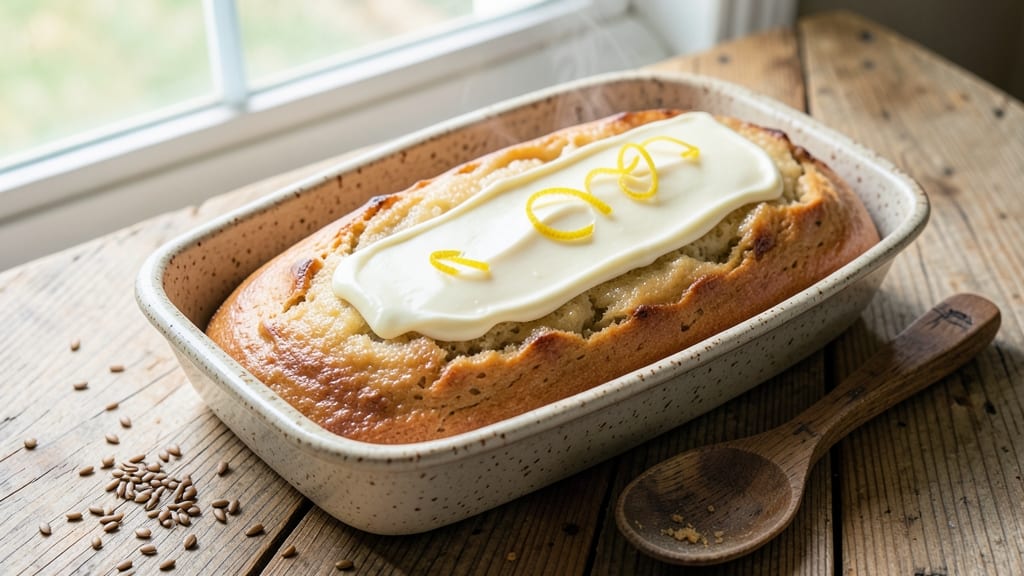
This applesauce bread recipe no sugar delivers a wonderfully moist loaf with caramelized apple flavor—no refined sugar in sight. The secret lies in using unsweetened applesauce as a natural moistening agent, replacing traditional sugars while keeping the bread tender and flavorful.
I've perfected this recipe over years of baking, ensuring every slice stays soft without turning gummy.
The beauty of this recipe is its simplicity: just a few pantry staples and a little patience for kneading and proofing. The applesauce not only keeps the crumb incredibly moist but also infuses that subtle apple sweetness throughout.
Unlike many sugar-free breads that can taste bland, this version stays rich and satisfying.
What you'll end up with is a perfectly golden, fragrant loaf with a moist crumb that stays soft for days. The caramelized apple notes shine through, making it ideal for breakfast toast, sandwiches, or serving with butter.
Best of all, it's a great way to use up extra applesauce without any added sugar.
Store leftovers wrapped at room temperature for up to 3 days, or freeze for longer storage. The recipe scales easily, so you can make two loaves for a crowd. Let's get started on this wholesome, naturally sweetened bread!
Ingredients for applesauce bread recipe no sugar
Four cups of flour and one cup of applesauce create a moist, naturally sweetened loaf without refined sugar.
| Ingredient | Amount | Notes |
|---|---|---|
| All-Purpose Flour 🌾 | 4 cups | Sifted for even texture |
| Unsweetened Applesauce 🍎 | 1 cup | No sugar added, unsweetened |
| Active Dry Yeast 🍞 | 2 ¼ tsp | One packet, room temperature |
| Warm Water 💧 | 1 ¼ cups | 110°F for yeast activation |
| Granulated Sugar-Free Sweetener 🍬 | ¼ cup | Erythritol or monk fruit blend |
| Unsalted Butter 🧈 | ½ cup | Cold, cubed for easy mixing |
| Large Egg 🥚 | 1 whole | Room temperature for best rise |
| Pure Vanilla Extract 🌸 | 1 tsp | High-quality, pure vanilla |
| Diamond Crystal Kosher Salt 🧂 | 1 ½ tsp | Adjust to taste after baking |
| Ground Cinnamon 🌿 | 1 tsp | Freshly ground for warmth |
| Ground Nutmeg 🌿 | ¼ tsp | Freshly grated for depth |
| Granulated Sugar-Free Erythritol 🍬 | ¼ cup | For caramelization on top |
| Unsweetened Shredded Coconut 🥥 | ¼ cup | Optional for topping crunch |
The unsweetened applesauce is the star here—Mott's or Whole Foods organic varieties work best, as they’re free from added sugars. Look for labels that specify 'no sugar added' to ensure authenticity. The all-purpose flour should be fresh; if it smells stale, toast it lightly in a dry pan for 2-3 minutes to restore flavor. For the sugar-free sweetener, Lakanto or Swerve blends mimic granulated sugar’s texture perfectly. The active dry yeast must be room temperature—sprinkle it directly into the warm water with the sweetener to activate before mixing with dry ingredients. This ensures proper fermentation and a light crumb.
No unsweetened applesauce? Pureed steamed apples with a pinch of lemon juice works in a pinch, though texture may vary slightly. Substituting unsweetened applesauce with pumpkin puree (1:1 ratio) adds moisture but alters flavor. For the sugar-free sweetener, if you can’t find erythritol, monk fruit sweetener at half the amount works well, though it’s pricier. The vanilla extract should be pure—imitation extracts often contain sugar. If you’re avoiding dairy entirely, vegan butter like Earth Balance can replace the unsalted butter without compromising texture. The shredded coconut topping is optional but adds a delightful crunch; if unavailable, toasted chopped walnuts make a great substitute.
This loaf stays fresh for up to 5 days when wrapped tightly in plastic at room temperature, though it’s best enjoyed within the first 2 days for peak moisture. For longer storage, freeze the loaf in slices wrapped individually in parchment paper for up to 3 months. Reheat slices in a toaster or oven at 350°F for 3-5 minutes to restore freshness. The caramelized sugar-free topping should be added just before baking—it crisps beautifully but softens quickly, so save any leftovers for topping pancakes or yogurt.
Why You'll Love This Recipe
- No-Fuss Mix-In: I swear by this dough—just toss in the applesauce, yeast, and a pinch of sweetener, then let the machine (or your arms) do the work. No kneading, no fuss, and zero guesswork. That’s right: even if you burned your last loaf, this one’s hard to mess up.
- Sweet Without Sugar: Honestly, the applesauce does all the heavy lifting here. It keeps the bread tender and lightly sweet without any refined sugar—just a touch of granulated sweetener to balance. The result? A loaf that’s naturally satisfying, not cloyingly sweet.
- Breakfast or Snack Star: This bread is my go-to for quick toast in the morning, but it’s also the perfect side for dinner. Slice it warm with a smear of almond butter, or pack it for lunches—it stays fresh for days. (Yes, even on a Tuesday night.)
- Pantry Magic: Between us, this recipe uses stuff you already have. Flour, applesauce, yeast—no specialty ingredients, no last-minute grocery runs. And because it’s so simple, I can whip up a batch when I’ve got nothing but a few scraps left in the fridge. Budget-friendly? Absolutely. Reliable? Even more so.
Step-by-step instructions for applesauce bread no sugar
Here's the method for a perfectly moist, caramelized bread that delivers all the apple flavor without any refined sugar.
Activate the Yeast with Warm Water and Applesauce
In a small bowl, combine the 1.25 cups warm water (110°F) with the 2.25 tsp active dry yeast and let it sit for 5 minutes until frothy. This activation step is critical - you should see bubbles forming and the mixture expanding slightly. If it doesn't activate, your yeast is dead and you'll need to start over.
Once activated, whisk in the 1 cup unsweetened applesauce and 0.25 cup granulated sugar-free sweetener until completely dissolved. The applesauce will provide natural sweetness while keeping the bread moist. Set this mixture aside while you prepare your dry ingredients - the yeast needs to work its magic in a slightly acidic environment, which the applesauce provides perfectly.
Mix Wet Ingredients with Butter and Egg
In the bowl of a stand mixer fitted with the paddle attachment, combine the 0.5 cup cold unsalted butter (cut into small cubes) with the yeast-applesauce mixture. Mix on medium speed for 2 minutes until the butter is fully incorporated and the mixture looks creamy.
Add the 1 whole large egg and 1 tsp pure vanilla extract, mixing for another 30 seconds until fully combined. The cold butter creates pockets that will contribute to your bread's tender crumb. Be careful not to overmix at this stage - you want to preserve the gluten development for later when we add the flour.
Combine Dry Ingredients for Perfect Texture
In a separate bowl, whisk together the 4 cups all-purpose flour, 1.5 tsp diamond crystal kosher salt, 1 tsp ground cinnamon, and 0.25 tsp ground nutmeg. The cinnamon and nutmeg will infuse your bread with warm, aromatic flavors that complement the applesauce beautifully. Sift the flour mixture directly into the wet ingredients.
Using the paddle attachment on low speed, mix just until the dough comes together. You'll notice it will be slightly sticky - this is normal with applesauce bread. Avoid adding extra flour as it will make the bread denser. The dough should pull away from the sides of the bowl but still be tacky to the touch. This stickiness ensures a moist final product.
Knead and First Rise for Optimal Development
Switch to the dough hook attachment and knead the dough for 5-7 minutes on medium speed until it becomes smooth and elastic. The dough should be soft but not sticky to the touch. If it's too sticky, wet your hands slightly while kneading to prevent sticking. This kneading develops gluten, which gives the bread its structure while maintaining that tender crumb.
Transfer the dough to a lightly greased bowl, cover with a clean kitchen towel, and let it rise in a warm place for 1-1.5 hours or until doubled in size. The warm environment helps the yeast work efficiently. You'll know it's ready when you poke the dough gently and it springs back slowly rather than immediately. This first rise is crucial for developing flavor and texture.
Shape, Second Rise, and Prepare for Baking
Punch down the risen dough to release air, then shape it into a 9x5-inch loaf pan that's been lightly greased with butter. Sprinkle the 0.25 cup granulated sugar-free erythritol evenly over the top - this will caramelize beautifully during baking, giving you that classic applesauce bread crust. If using, sprinkle the 0.25 cup unsweetened shredded coconut over the erythritol for added texture.
Cover the pan with the towel and let the dough rise for another 30-45 minutes until it domes slightly above the pan. This second rise ensures your bread will be light and airy. Preheat your oven to 375°F while the bread rises - you want the oven fully heated before baking begins. The high heat will create that perfect caramelized crust while keeping the interior moist.
Pro Tips For Making Applesauce Bread Recipe No Sugar
- Mix Yeast Last: I learned this the hard way—adding yeast to the wet ingredients too early kills its fizz. Stir it into the flour mix right before combining with applesauce, or your dough will rise sluggishly and taste flat.
- Use Room-Temp Applesauce: Cold applesauce slows yeast activation and makes the dough gummy. Warm it in a microwave for 20-30 seconds until it’s just above body temperature—like a warm bath, not scalding.
- Don’t Over-Knead: This dough is tender, not tough. After the first 5 minutes of mixing, stop when it’s shaggy, not smooth. Overworking it turns applesauce bread into a dense brick.
- Proof Until Doubled: Skip the guesswork—your dough needs a full 1.5 to 2 hours to puff up in a warm spot. If it’s not at least double, it’ll bake flat and taste underproofed. (Yes, even if you’re impatient like me.)
Pro cooking tips for perfect results
Yeast Activation Tips
The yeast is the heart of your bread, and getting it right makes all the difference. Always use warm water (110°F)—too hot and it kills the yeast, too cool and it won’t activate. I like using a kitchen thermometer to check the temperature.
Once you mix in the yeast, let it sit for 5 minutes until it becomes bubbly and frothy. If nothing happens after 10 minutes, your yeast is likely dead, and you’ll need to start over. 💡
Balancing Sticky Dough
Applesauce bread dough is naturally sticky, but that’s what gives it that perfect moist crumb. If your dough feels too wet, resist the urge to add extra flour—it’ll make the bread dense. Instead, wet your hands slightly while kneading to prevent sticking.
The dough should be soft but not gluey; it should pull away from the bowl but still be slightly tacky to the touch. This stickiness is your secret weapon for keeping the bread tender.
Kneading for Perfect Texture
Kneading develops gluten, which gives the bread structure while keeping it tender. Use a stand mixer with the dough hook attachment for 5-7 minutes on medium speed. The dough should be smooth and elastic—if it’s still shaggy, knead a little longer.
For hand-kneading, work the dough on a lightly floured surface for about 8-10 minutes. Over-kneading can make the bread tough, so stop when it’s just right. ✨
Rise Time and Temperature
A warm environment is key for proper rising. Place your dough in a bowl near a warm oven (turn the oven off and let it heat up for 2-3 minutes first) or use a proofing box if you have one. The dough should double in size in 1-1.5 hours.
If your kitchen is cold, cover the bowl with a damp towel to help trap heat. Poke the dough gently—if it springs back slowly, it’s ready. If it springs back quickly, give it more time.
Caramelizing the Topping
The sugar-free erythritol topping is what gives this bread its classic look and flavor. Sprinkle it evenly over the dough just before baking—don’t press it in, or it won’t caramelize properly. For extra crunch, add shredded coconut or chopped nuts.
Bake at 375°F for 30-35 minutes until the top is golden brown. If the topping isn’t caramelizing enough, broil for 1-2 minutes at the end, keeping a close eye to avoid burning. 🔥
Storage Secrets
This bread stays moist for days, but it’s best enjoyed fresh. Wrap it tightly in plastic wrap or aluminum foil and store at room temperature for up to 5 days. For longer storage, slice the bread and freeze the pieces on a tray before transferring to a freezer bag.
To reheat, toast slices in a toaster or warm in a 350°F oven for 3-5 minutes. The crust will crisp up again, and the interior stays soft and flavorful.
Nutrition facts
Frequently asked questions
Why does this applesauce bread stay so moist without sugar?
The unsweetened applesauce replaces both moisture and sweetness in traditional recipes. It contains natural pectin that binds to water, creating a tender crumb. The cold butter also creates steam during baking, keeping the bread soft for days. Plus, we avoid over-kneading to preserve that delicate texture.
Can I make this bread without a stand mixer?
Just mix the wet ingredients by hand, then knead the dough on a lightly floured surface for 8-10 minutes until smooth and elastic. The key is to work the dough gently - you're not trying to develop as much gluten as with regular bread. Wet your hands occasionally to prevent sticking from the applesauce.
What if my bread turns out dense instead of light?
Dense bread usually means one of three things: over-kneading (which develops too much gluten), under-proofed dough, or adding extra flour. For this recipe, the dough should be slightly sticky - that's normal! If your kitchen is cold, try placing the dough bowl near a warm oven (turned off) to help it rise properly. Also check your yeast - it should activate within 5 minutes of mixing with warm water.
How can I make this bread nut-free?
Simply omit the shredded coconut topping and any nut-based sugar substitutes. The recipe already uses erythritol which is naturally nut-free. For extra crunch without nuts, try toasting pumpkin seeds or using sunflower seeds instead. The applesauce and cinnamon will still provide all the warm, comforting flavors without any nut ingredients.
Will this bread work for sandwiches or is it better for toast?
This bread is perfect for both! The slightly sweet apple flavor makes it great for breakfast toast with butter or jam, but it also holds up well for sandwiches. The moist crumb prevents sogginess, and the caramelized topping adds a nice contrast. For sandwiches, try lightly toasting slices first to crisp up the crust while keeping the interior soft.