
Breakfast & Brunch
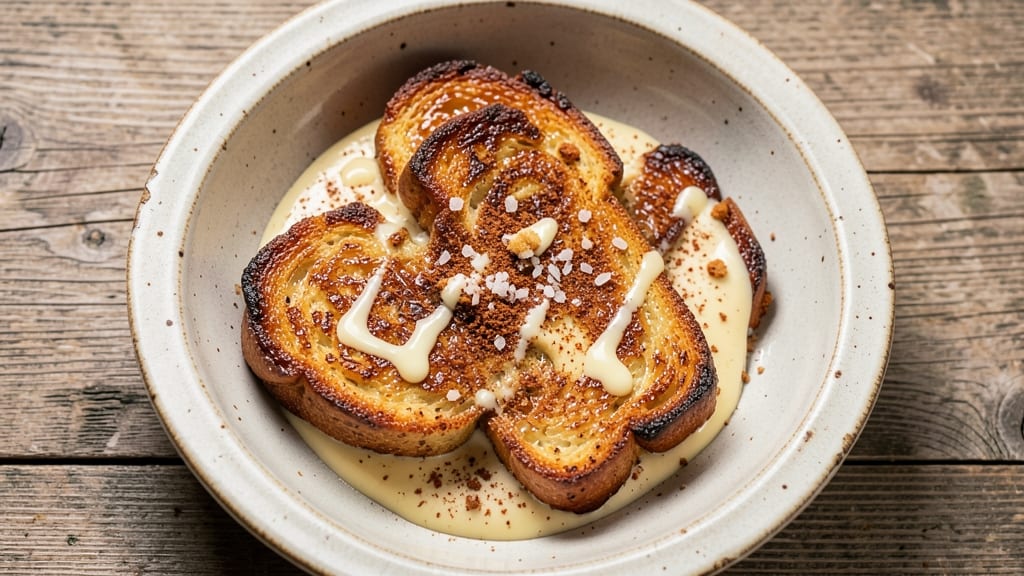
This artisan bread French toast recipe transforms stale sourdough or crusty baguettes into golden, crispy-edged masterpieces with a custardy core. The secret lies in the soaking process—long enough to create that signature tender interior but brief enough to maintain structural integrity.
I’ve perfected this method over years of weekend breakfasts, and it never fails to impress. What sets this apart is the balance of texture: a shatteringly crisp exterior that gives way to silky, eggy custard inside.
The key ingredients—high-quality eggs, vanilla, and a touch of cinnamon—elevate simple bread into something extraordinary. You’ll need just 10 minutes of active prep time, followed by 3-4 minutes per side of pan-frying for that ideal contrast.
The result is a dish that feels luxurious yet remains approachable, perfect for weekend brunches or a special treat. Whether you drizzle it with maple syrup, dust it with powdered sugar, or top it with fresh berries, every bite delivers that satisfying crunch and melt-in-your-mouth tenderness.
This isn’t just French toast—it’s a breakfast experience. For extra indulgence, consider adding a splash of bourbon or rum to the batter, or swap sweet toppings for savory options like smoked salmon and herbed cream cheese. The possibilities are endless, but the foundation remains foolproof.
Ingredients for artisan bread french toast
Crispy crust meets custardy core with these 12 simple, high-impact ingredients.
| Ingredient | Amount | Notes |
|---|---|---|
| Stale Sourdough Bread 🍞 | 8 slices | From 1 small loaf (about 1 lb) |
| Large Eggs 🥚 | 4 whole | Room temperature preferred |
| Pure Vanilla Extract 🍯 | 1 tbsp | Or 1 tsp vanilla bean paste |
| Ground Cinnamon 🌿 | 1 tsp | Plus extra for dusting |
| Granulated Sugar 🍚 | ¼ cup | Or brown sugar for depth |
| Unsalted Butter 🧈 | 4 tbsp | Melted, full-fat for crispiness |
| Salt 🧂 | ½ tsp | Diamond Crystal preferred |
| Heavy Cream 🥛 | ½ cup | Or half-and-half for lighter texture |
| Maple Syrup 🍁 | ¼ cup | For serving, grade B preferred |
| Powdered Sugar 🍚 | 2 tbsp | For dusting, sifted |
| Fresh Berries 🍓 | 1 cup | Optional for topping |
| Bourbon or Rum 🥃 | 1 tbsp | Optional, for extra indulgence |
Sourdough is non-negotiable here—its tangy crunch sets this apart. Grab a day-old loaf from your local bakery (or use that crusty baguette collecting dust). The bread should be stale enough to hold its shape when sliced but not rock-hard. Whole Foods or local artisan bakeries often have perfect candidates. If you're using a baguette, cut it diagonally for more surface area. For the eggs, pasture-raised makes a noticeable difference in flavor, but any good-quality eggs work. The vanilla? Nielsen-Massey or McCormick are solid choices, but even the drugstore brand adds something special.
No bourbon? Dark rum or even extra vanilla will do in a pinch. Heavy cream too expensive? Half-and-half at double the amount keeps things creamy. The cinnamon can be swapped for cardamom or nutmeg if you're feeling adventurous—just halve the amount. For the butter, European-style (like Plugrá) has higher fat content, which gives better browning. The maple syrup? Grade B has more flavor than the clear stuff, but use what you've got. Fresh berries optional, but frozen works too—just toss them in a colander to drain excess water first.
Prep the bread slices ahead and store them airtight in the fridge for up to 2 days. The custard mix keeps in the fridge for 3 days, but add a splash of milk before dipping if it thickens. For make-ahead French toast, cook the slices and reheat in a 350°F oven for 5-10 minutes—they crisp up beautifully. The powdered sugar dusting? Do it right before serving so it doesn't clump. These reheat surprisingly well—just 2 minutes per side in the same buttered pan.
Why You'll Love This Recipe
- No Waste, All Flavor: That stale sourdough loaf? It’s the star here. I swear by this trick—no more tossing out crusty bread when you can turn it into something so rich and caramelized, you’ll forget it was ever dry.
- One-Bowl Magic: Honestly, it’s the kind of recipe where you just crack eggs, stir, and dip. The vanilla and cinnamon blend into the egg mixture like a dream, and the sugar? It melts into crispy perfection without any extra fuss.
- Breakfast or Brunch Hero: This isn’t just a Sunday morning dish—it’s my go-to for lazy weekends, quick weeknight breakfasts, or even a fancy brunch when guests drop by. (Yes, even on a Tuesday night.)
- Budget Breakfast Win: Three eggs, a splash of vanilla, and a sprinkle of cinnamon—it’s the kind of meal that costs pennies but tastes like a splurge. Plus, leftovers reheat beautifully, so you’re basically getting two breakfasts for the price of one.
Step-by-step instructions for artisan bread French toast
Here's how to transform stale sourdough into golden, crispy-edged French toast with a custardy center.
Make the Perfect Custard Mixture
In a shallow mixing bowl, whisk together the 4 whole large eggs, 0.25 cup granulated sugar, 1 tbsp pure vanilla extract, 0.5 tsp salt, and 0.5 cup heavy cream until completely smooth. The mixture should be pale yellow and slightly frothy. I like to use a fork for this—it's less likely to overmix than a whisk. Add the 1 tsp ground cinnamon and stir until evenly distributed.
Here's the thing—room temperature ingredients blend better, so if your eggs are straight from the fridge, let them sit for 10 minutes before mixing. This ensures a silky custard rather than a lumpy one. The custard should coat the back of a spoon when you dip a slice of bread—this guarantees maximum flavor absorption and that perfect custardy bite.
Prep the Bread for Maximum Crispiness
Arrange the 8 slices stale sourdough bread on a wire rack set over a baking sheet. This setup allows air to circulate underneath, preventing soggy bottoms. If your bread has a thick crust, trim it slightly with a serrated knife—this helps the custard penetrate more evenly. Don't skip this step, even if it seems like a hassle. The crust can get gummy if it's too thick.
Lightly dust both sides of each slice with the 2 tbsp powdered sugar using a fine-mesh sieve. This creates a delicate, crisp sugar crust that caramelizes beautifully in the pan. I press the powdered sugar into the bread slightly with my fingers so it sticks—this ensures it doesn't all wash off into the custard mixture.
Cook to Crispy Perfection
Heat a large skillet over medium heat and melt 2 tbsp unsalted butter in it. You want the butter to foam but not brown—this happens when it reaches about 350°F. Add the slices of bread to the pan, one at a time, letting any excess custard drip off. Cook for 2-3 minutes per side until the edges are deep golden brown and the bread releases easily from the pan.
Don't rush this step. You'll know it's ready when the edges are crisp and the center still has that slightly soft, custardy appearance. If you see the edges browning too quickly, reduce the heat slightly. The butter should be sizzling but not smoking—this creates that perfect balance of crisp and custardy. Flip only once, and let it cook undisturbed until the underside is golden.
Assemble and Serve with Warm Toppings
Transfer the cooked French toast to a serving platter and immediately drizzle with the 0.25 cup maple syrup. I like to warm the maple syrup slightly in a small saucepan over low heat—just enough to make it pourable. The warmth enhances its flavor and makes it easier to drizzle evenly. Add the 1 tbsp bourbon or rum if using, and stir gently to combine.
Top each serving with 1 cup fresh berries and an extra dusting of powdered sugar. The contrast between the crispy edges, pillowy center, and fresh berries is what makes this dish truly special. Serve immediately while the bread is still warm and the custard is at its peak texture. The berries add a bright, fruity contrast that cuts through the richness of the toast.
Optional Bourbon Glaze (For Extra Indulgence)
For a showstopping presentation, make a quick bourbon glaze by combining 2 tbsp powdered sugar with 1 tbsp bourbon or rum in a small bowl. Whisk until smooth, then drizzle over the finished French toast just before serving. The glaze will caramelize slightly from the residual heat, adding another layer of flavor and a beautiful glossy finish.
This glaze is optional but worth the effort—it adds a sophisticated touch that elevates the dish from breakfast to brunch-worthy. The alcohol burns off quickly, leaving behind a rich, caramelized sweetness that pairs perfectly with the cinnamon-spiced custard. If you're serving guests, this is the move that will make them think you spent all morning in the kitchen.
Pro Tips For Making Artisan Bread French Toast
- CUT BREAD THIN—NO LESS THAN ½ INCH: I learned this the hard way—thin slices (¼ inch or less) burn before they cook through, while thick slices (over ¾ inch) stay doughy inside. Aim for ½-inch slices, cut parallel to the crust for even absorption. Stale sourdough holds up better, but don’t let it get rock-hard—lightly toast it for 3 minutes at 350°F first if it’s stubborn.
- WHISK EGGS COLD, THEN LET THEM SIT: Cold eggs whip up faster and create a smoother batter, but here’s the real trick: let the whisked mixture sit for 10 minutes at room temp before dipping. The starches in the sourdough soak up the custard better when it’s slightly warmed, and you’ll avoid that greasy, undercooked center. (Yes, even if you’re impatient like me.)
- DON’T OVERMIX THE BATTER: After adding eggs, sugar, vanilla, and cinnamon, give it 12 swirls max—just enough to combine. Overwhisking makes the bread turn to mush. If your batter looks lumpy, that’s fine; sourdough’s chewiness shines when the texture stays rustic. Dredge quickly, flip once, and let the heat do the work.
- USE A LIGHT TOUCH OF BUTTER ON THE PAN: Skip the oil—melt ½ tablespoon of butter per slice in a nonstick or cast-iron pan over medium-low. The butter adds flavor and creates a thin, golden crust without frying the sourdough. If you’re lazy, use a paper towel to wipe excess butter off the pan before adding the next slice; crowded toast steams instead of crisps.
Perfect pairings for this recipe
Sweet Toppings
Start with the classic: a generous drizzle of grade B maple syrup warmed slightly to enhance its rich flavor. For extra indulgence, add a bourbon glaze—simply whisk 2 tablespoons powdered sugar with 1 tablespoon bourbon until smooth, then drizzle over the warm toast.
Fresh berries like raspberries or strawberries add a bright, tangy contrast to the custardy center, while a dusting of powdered sugar gives a delicate, snowy finish. 🍓
Savory Variations
Swap sweet toppings for savory options like herbed cream cheese mixed with chives and a pinch of black pepper, or smoked salmon with a dollop of dill yogurt. A sprinkle of flaky sea salt and everything bagel seasoning adds depth, while avocado slices bring creaminess.
For a hearty brunch, top with poached eggs and crispy prosciutto—the salty, smoky flavors cut through the richness beautifully.
Creamy Additions
Whipped cream or mascarpone cheese adds a luxurious touch—pipe it in swirls or dollop it alongside the toast. For a tropical twist, serve with mango chutney or passion fruit curd, which balances the buttery richness.
A sprinkle of toasted coconut flakes or crushed pistachios introduces crunch and a nutty contrast. Even caramelized bananas or peaches create a decadent, dessert-like experience.
Boozy Enhancements
Infuse the custard mixture with 1 tablespoon vanilla extract and a splash of orange liqueur for a citrusy depth. For a boozy drizzle, warm 2 tablespoons honey with 1 tablespoon rum until smooth, then drizzle over the toast.
A dark chocolate ganache—melt 2 ounces dark chocolate with 2 tablespoons heavy cream—adds richness, while a sprinkle of sea salt enhances the flavors. Even a whiskey-infused caramel takes this dish to the next level. 🥃
Herbaceous Garnishes
Fresh herbs elevate the dish effortlessly. A few leaves of mint or basil add a bright, aromatic note, while thyme sprigs bring an earthy touch. For a Mediterranean flair, top with sun-dried tomatoes and feta cheese, or add rosemary-infused honey for a fragrant, herby sweetness.
Even a pinch of cayenne pepper adds a subtle kick that pairs surprisingly well with the custard.
Seasonal Swaps
In summer, serve with peaches or nectarines, lightly caramelized and topped with a sprinkle of cinnamon. For autumn, try fig jam or roasted apples with a drizzle of honey.
Winter calls for cranberry compote or pomegranate seeds, while spring works well with strawberries and balsamic reduction. Each seasonal topping brings freshness and a vibrant contrast to the warm, buttery toast. ⚡
Nutrition facts
Frequently asked questions
Can I use fresh bread instead of stale artisan bread?
Fresh bread works, but stale bread is ideal because it absorbs the custard better and creates that perfect crispy texture. If you must use fresh bread, lightly toast it first to remove excess moisture—this prevents soggy French toast. The crust should hold its shape when sliced but still be soft enough to absorb the egg mixture.
How do I fix French toast that's too dry or crumbly?
Too dry usually means the bread wasn't soaked long enough or the custard was too thick. For next time, let the bread soak for 30 seconds per side in the egg mixture, and ensure your custard is thin enough to coat the back of a spoon. If you've already cooked it, try reheating in a buttered skillet for 1-2 minutes per side—the residual butter will add moisture and crispiness.
Can I make this recipe ahead of time?
Prep the bread slices and custard mixture the night before, then store them separately in the fridge. When ready to cook, let the custard sit at room temperature for 10 minutes before dipping. For make-ahead French toast, cook the slices and reheat in a 350°F oven for 5-10 minutes—they crisp up beautifully. The key is reheating quickly to maintain texture.
What's the best butter substitute for crispy edges?
For a lighter option, use olive oil or avocado oil—they have higher smoke points and create crispy edges without the richness of butter. For flavor, try ghee or brown butter—both add depth and help achieve that golden-brown crust. Just ensure your pan is hot enough (around 350°F) to get that perfect crisp.
How do I make this recipe vegan?
Swap the eggs for a flax egg (1 tbsp ground flaxseed + 3 tbsp water per egg), heavy cream for coconut cream or almond milk, and butter for vegan butter or coconut oil. Use the same soaking method, but expect slightly less custardy texture—vegan French toast tends to be more bread-like. A sprinkle of nutritional yeast adds a cheesy flavor that pairs well.