
Side Dishes
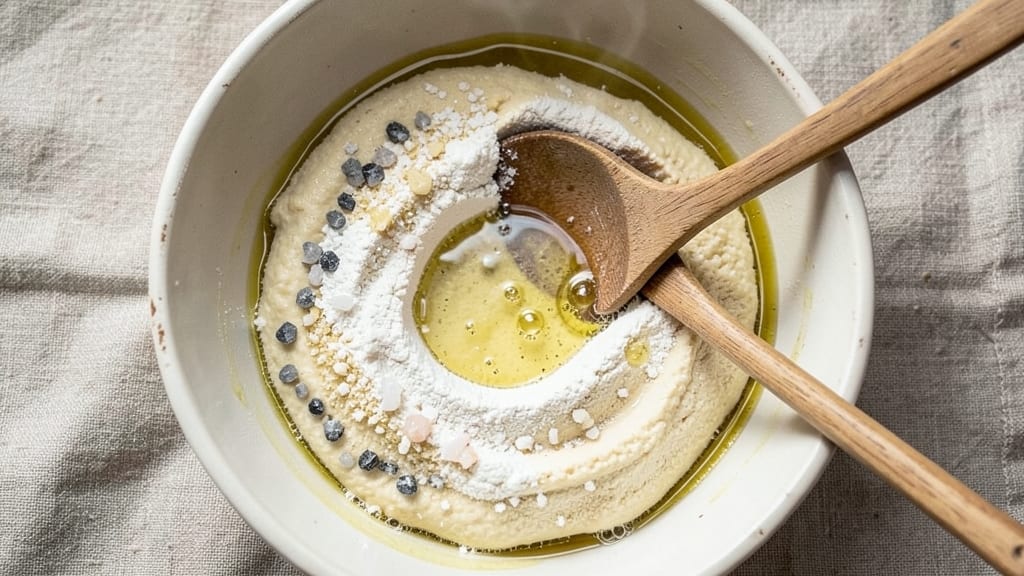
This basic artisan bread in five minutes a day recipe transforms your daily routine into a bread-baking ritual without the fuss. The secret lies in a simple no-knead dough that develops flavor overnight, requiring just five minutes of active prep time.
No specialized equipment or advanced techniques—just flour, yeast, water, and salt—yielding rustic, crusty loaves with minimal effort.
The beauty of this method is its hands-off approach: mix the dough in the evening, let it rise overnight in the refrigerator, and bake fresh loaves in the morning. This slow fermentation creates deep flavor and a perfect texture—crispy crust with a tender, airy crumb.
The dough's simplicity makes it foolproof, even for beginners, while still delivering professional-quality results.
By the time you pull that golden loaf from the oven, you'll have a warm, fragrant bread that tastes like it came from a bakery.
The crust will be deeply caramelized, the interior soft and open, and the aroma will fill your kitchen with the comforting scent of freshly baked bread. No more skipping bread—just mix, wait, and enjoy.
Perfect for daily meals, sandwiches, or gifting, this recipe ensures you always have fresh bread on hand. The process is so straightforward that even busy weeknights won't stand in your way. Let's get started on your first loaf!
Ingredients for artisan bread in five minutes a day basic
Four simple ingredients transform into golden crusty loaves with just five minutes of work.
| Ingredient | Amount | Notes |
|---|---|---|
| Bread Flour 🌾 | 3 ½ cups | High-protein for structure and chew |
| Active Dry Yeast 🍞 | ¼ tsp | Ensure freshness by testing in warm water |
| Granulated Sugar 🍚 | ½ tsp | Feeds yeast for activation |
| Salt 🧂 | 1 tsp | Diamond Crystal preferred for purity |
| Warm Water 💧 | 1 ½ cups | 105-110°F for optimal yeast activation |
| Olive Oil 🫒 | ½ tbsp | Extra-virgin for richness |
| Cornmeal 🌽 | ¼ cup | For dusting baking surfaces |
| Ice Water ❄️ | ½ cup | Slows fermentation for overnight rise |
| Coarse Sea Salt 🧂 | 1 tsp | For sprinkling on crust |
The bread flour is non-negotiable here—King Arthur or Caputo deliver that perfect open crumb. If you're using all-purpose, expect a denser loaf. Yeast is your secret weapon: Bob's Red Mill active dry yeast is my go-to, but check the expiration date—old yeast won't activate properly. Warm water should feel like bathwater, not scalding. Too hot kills yeast, too cool makes it sluggish. For the olive oil, California avocado oil works beautifully too, though it lacks the fruity notes of extra-virgin. Cornmeal isn't just for dusting—it adds subtle sweetness to the crust.
No bread flour? All-purpose plus 1 tbsp vital wheat gluten gets you close, though texture won't be identical. Yeast expired? Instant yeast works 1:1—just mix it directly with flour. Running short on olive oil? Melted butter adds richness (and flavor), though it burns faster. For the ice water, freeze a small ice cube tray ahead of time to have it ready when you need it. The coarse sea salt? Maldon flaky salt makes the crust extra crispy—worth the splurge if you're feeling fancy.
This dough is your overnight companion—store it in a sealed container in the fridge for up to 48 hours. The longer it ferments, the more complex the flavor. Shape your loaves just before baking for that perfect oven-spring. Bake straight from the fridge for crispier crusts, or let sit at room temp for 10 minutes before baking for a softer crumb. Leftovers? Freeze slices for up to 3 months—toast straight from frozen for fresh-baked flavor.
Why You'll Love This Recipe
- Five-Minute Mix: I swear, the dough comes together faster than I can wipe my hands on my apron—just flour, yeast, sugar, salt, and water. No kneading, no waiting around, just a quick stir and a rise while you make coffee or fold laundry.
- Crusty Yet Simple: That perfect balance of crispy crust and soft interior? It’s all in the bread flour and a little patience. Honestly, the first time I bit into it, I thought, "Wait, this is homemade?"—and it only took five minutes to start.
- Weeknight Workhorse: Toss it in a basket for breakfast toast, tear it over salads, or freeze slices for quick sandwiches. My kids even ask for it when I forget to pack store-bought—because nothing beats warm, fresh bread that doesn’t require a bakery run.
- Pantry Magic: Five ingredients, zero waste, and a fraction of the cost of artisanal loaves. I’ll be real: I keep a jar of this dough in the fridge so I can bake a loaf anytime, whether it’s for a last-minute guest or a lazy Sunday morning. Budget-friendly? Absolutely. Reliable? Even more so.
Step-by-step instructions for artisan bread in five minutes a day
Here's how to make restaurant-worthy bread with minimal effort—just mix, wait, and bake.
Mix the Dough with Minimal Handling
In a large bowl, combine the 3.5 cups bread flour, 0.25 tsp active dry yeast, 0.5 tsp granulated sugar, and 1 tsp salt. Mix these dry ingredients thoroughly with a wooden spoon or your hands until no dry spots remain. This ensures even distribution of the yeast and salt throughout the dough.
Next, add the 1.5 cups warm water (between 105-110°F—test by sprinkling a pinch of sugar into the water; it should dissolve instantly) and the 0.5 tbsp olive oil. Stir the mixture vigorously for 2-3 minutes until it forms a shaggy, sticky dough. You'll notice the dough clings to the bowl and your spoon—this is normal. Avoid overmixing, as gluten development is minimal in this method.
Shape and Let the Dough Rest Overnight
Lightly wet your hands with water to prevent sticking, then transfer the dough to a clean surface. Gently shape it into a loose ball, folding the edges toward the center without overworking it. Place the dough back in the bowl, cover it tightly with plastic wrap or a damp kitchen towel, and let it rest at room temperature for 12-18 hours. This slow, cold fermentation develops deep flavor and a crispy crust.
Here's the magic: the dough will rise slightly, then collapse as the yeast ferments. This is completely normal and essential for the final texture. If your kitchen is cold, the dough may take up to 24 hours—just check it periodically. The goal is to let the yeast work slowly, creating complex flavors without overproofing.
Preheat and Shape the Dough for Baking
Preheat your oven to 450°F with a Dutch oven (or heavy oven-safe pot with a lid) inside for at least 30 minutes. This step is critical—it ensures the dough bakes in a steamy environment, which creates that coveted artisan crust. While the oven heats, dust a baking sheet with 0.25 cup cornmeal and set it aside.
After the overnight rest, remove the dough from the fridge (if you chilled it) and let it sit at room temperature for 30-60 minutes until it's slightly softer. Wet your hands again, then gently shape the dough into a round loaf or oval. Place it seam-side up on the prepared baking sheet, cover it loosely with a damp towel, and let it rest for 10 minutes while the oven finishes preheating.
Bake for a Crispy, Crusty Loaf
Carefully transfer the Dutch oven (with lid) to the preheated oven. Bake the dough, covered, for 30 minutes. Then remove the lid and bake for another 15-20 minutes until the crust is deep golden brown and sounds hollow when tapped on the bottom. The internal temperature should reach 205-210°F—this ensures a fully baked center.
In the final 5 minutes, sprinkle the loaf with 1 tsp coarse sea salt for a burst of flavor and extra crunch. If the crust browns too quickly, tent the Dutch oven with foil to prevent burning. Let the bread cool on a wire rack for at least 30 minutes before slicing—this allows the steam to escape and the crumb to set properly.
Store for Freshness
Wrap the cooled loaf in a clean kitchen towel or plastic wrap and store it at room temperature for 2-3 days. For longer storage, freeze the bread (unwrapped) for up to 3 months. To revive, thaw at room temperature and reheat in a 350°F oven for 5-10 minutes to restore crispiness. The beauty of this method? You can bake a fresh loaf every morning with just 5 minutes of active time.
Pro Tips For Making Artisan Bread In Five Minutes A Day Basic
- Measure Water by Weight: Your recipe likely calls for "warm water," but eyeballing temperature leads to inconsistent dough. Use a kitchen scale—100g of water at 90°F (32°C) is ideal. Too hot kills yeast; too cold slows fermentation. I learned this after three batches where my dough either exploded or took forever.
- Dissolve Sugar First: Mix the granulated sugar into the warm water before adding yeast—this gives the yeast an instant energy boost. I used to sprinkle it dry, and the dough always took longer to rise. Stir it in until fully dissolved, and you’ll see faster action.
- Skip the Over-Kneading: This "five-minute" recipe relies on a short bulk ferment, so kneading for more than 5 minutes is counterproductive. Work the dough just until it pulls away from the bowl—over-kneading develops gluten too early, making the crumb dense. I used to go overboard, and my bread turned out gummy.
- Use a Banneton or Bowl: If you don’t have a banneton, use a bowl lined with a floured kitchen towel for shaping. The towel prevents sticking and mimics the texture of a proofing basket. I tried greasing a bowl first, but the dough always tore when turning it out—this method fixes that.
Serving suggestions for this dish
Classic Pairings
Serve your fresh artisan bread alongside warm honey butter—mix 2 tbsp softened butter with 1 tbsp honey and a pinch of sea salt. The rich sweetness complements the bread's crusty texture perfectly.
For a savory twist, pair with whipped feta cheese and olive oil drizzle—just blend ½ cup feta, 2 tbsp olive oil, and 1 tsp lemon zest until smooth. 🥖
Breakfast Spreads
Transform your morning with avocado toast—mash ½ ripe avocado with 1 tsp lime juice, salt, and pepper, then spread generously on toasted slices. Top with crumbled bacon or a poached egg for extra protein.
For a lighter option, try ricotta and honey—mix ½ cup ricotta with 1 tsp honey and a sprinkle of chopped walnuts.
Sandwich Perfection
Build grilled cheese sandwiches with sharp aged cheddar and sliced apples—the crusty bread holds up beautifully to the cheese's melt. For a hearty lunch, layer roasted turkey, provolone, and spinach between slices, then grill in butter until golden.
A sprinkle of fresh thyme adds a bright herbal note. 🧀
Dinner Sides
Use your bread to soak up sauces from tomato-based dishes like marinara or brown butter chicken. For a Mediterranean touch, serve with hummus and roasted red peppers—the bread's texture contrasts beautifully with the creamy dip.
For a rustic meal, pair with sautéed mushrooms and a drizzle of truffle oil.
Dessert Twists
Dip slices in dark chocolate and sprinkle with flaky salt for an elegant dessert. Warm the bread slightly to soften it, then top with mascarpone cream and fresh berries. For a nostalgic treat, spread with peanut butter and drizzle with honey—it’s like a gourmet grilled cheese! 🍫
Gifting Ideas
Wrap a loaf in brown paper tied with twine for a charming homemade gift. Include a small jar of homemade jam or olive oil for an extra touch. For a festive presentation, dust the bread with powdered sugar and serve with warm spiced cider during holidays.
The effortless process makes it perfect for sharing with friends. ✨
Nutrition facts
Frequently asked questions
Why does this recipe only require five minutes of active time?
This method uses a no-knead dough with a long, cold fermentation (overnight in the fridge). The yeast works slowly, developing deep flavor while you sleep, so you only need to mix, shape, and bake—no kneading or constant monitoring. The ice water in the dough slows fermentation, making it stable for up to 48 hours in the fridge.
Can I make this bread without a Dutch oven?
Yes! If you don’t have a Dutch oven, use a heavy oven-safe pot with a lid or even a baking stone. For extra steam, place a metal tray filled with boiling water on the lower oven rack. The key is creating a steamy environment to get that crispy crust. A pizza stone works well too—just bake uncovered for 10-15 minutes longer.
What if my dough doesn’t rise overnight?
Don’t panic! Cold weather or old yeast can slow fermentation. Let the dough sit at room temperature for 1-2 hours to warm up, then check again. If it’s still flat, the yeast may be dead—replace it with 0.5 tsp fresh yeast and let it rest another 12 hours. For future batches, keep your kitchen slightly warmer (around 70°F) or use a proofing box if available.
How do I store leftover dough?
Store the shaped dough in an airtight container in the fridge for up to 48 hours. To bake later, let it sit at room temperature for 30 minutes before shaping and baking as directed. For longer storage, freeze the dough (unshaped) in a sealed bag for up to 3 months. Thaw overnight in the fridge before baking. The flavor improves with longer fermentation!
Can I add seeds or herbs to this dough?
For a seeded loaf, mix in 2 tablespoons of seeds (sunflower, sesame, or pumpkin) with the dry ingredients. For herbs, fold in 1 tablespoon chopped rosemary or thyme after mixing the wet ingredients. Just reduce the flour by 1-2 tablespoons to keep the dough from getting too stiff. These additions add texture and flavor without changing the basic method.