
Desserts
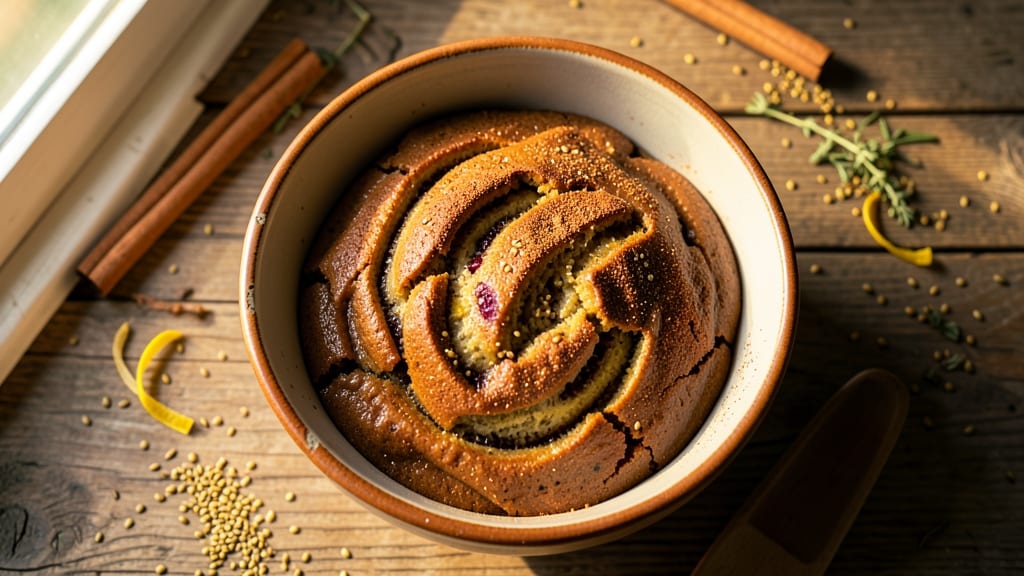
This Ayurvedic banana bread recipe transforms overripe bananas into a moist, spice-infused loaf that balances sweetness with warming cinnamon and cardamom—perfect for grounding Vata energy while satisfying cravings.
The secret lies in puréeing bananas for dense moisture and using flax eggs to bind without dairy, making it adaptable for vegan diets. Every slice delivers natural sweetness with earthy depth, thanks to turmeric and ginger that align with Ayurvedic principles of digestive harmony.
What sets this recipe apart is its moist crumb—achieved by blending bananas into a smooth purée and folding in melted coconut oil for richness. Traditional Ayurvedic spices like cinnamon and cardamom not only enhance flavor but also support metabolism, while a touch of turmeric adds anti-inflammatory benefits.
The loaf bakes up tender with a golden crust, and optional toppings like chopped walnuts or sesame seeds add texture and Pitta-balancing crunch.
Baking takes just 60 minutes at 350°F, with minimal prep time, making it ideal for weeknight treats or gifting. The aroma of spices fills your kitchen as it bakes, creating an inviting atmosphere that feels both comforting and intentional.
Serve warm with a drizzle of honey or coconut yogurt to amplify the Ayurvedic balance of sweet and earthy flavors.
Whether you're drawn to this recipe for its health benefits or simply love banana bread, this version elevates the classic with purposeful ingredients that nourish body and mind. Let’s bake one that’s as good for you as it is delicious.
Ingredients for ayurvedic banana bread
Spiced bananas, earthy warmth, and flax-bound moisture—this loaf bakes up tender with Ayurvedic harmony.
| Ingredient | Amount | Notes |
|---|---|---|
| Overripe Bananas 🍌 | 2 cups | Puréeed smooth for moisture |
| Unbleached All-Purpose Flour 🌾 | 2 cups | Light and airy for texture |
| Ground Flaxseed 🌿 | 2 tbsp | Mixed with 6 tbsp water for flax eggs |
| Coconut Oil 🫒 | ½ cup | Melted for richness (virgin preferred) |
| Maple Syrup 🍯 | ½ cup | For natural sweetness |
| Ground Cinnamon 🌶️ | 1 ½ tsp | Warming for Vata balance |
| Ground Cardamom 🌿 | ½ tsp | Earthy depth for metabolism |
| Ground Turmeric 🌼 | ¼ tsp | Anti-inflammatory golden touch |
| Ground Ginger 🌶️ | ½ tsp | Digestive harmony booster |
| Baking Soda 🧂 | ½ tsp | Lightens the crumb |
| Salt 🧂 | ¼ tsp | Diamond Crystal preferred |
| Chopped Walnuts 🌰 | ½ cup | Optional Pitta-balancing crunch |
| Sesame Seeds 🌾 | 2 tbsp | Optional for texture contrast |
| Vanilla Extract 🌸 | 1 tsp | Pure extract for aroma |
The bananas are your secret weapon—overripe means sweeter, creamier purée. Trader Joe's often has perfect ones, but check your fruit bowl first. For flax eggs, grind the seeds fresh (or buy pre-ground) and mix with water for 5 minutes before adding—this ensures maximum binding power. Coconut oil should be virgin and unrefined for that subtle coconut aroma, but refined works if you prefer neutral flavor. Cardamom is the star here—look for whole pods at Indian markets and grind them yourself for maximum potency, but pre-ground works in a pinch. Turmeric should be bright orange, not dull yellow, and Penzeys carries the best quality if you want to splurge.
No maple syrup? Agave nectar or honey works, but maple has that perfect caramel depth. Substituting walnuts? Pecans or almonds add crunch, but walnuts have that Ayurvedic Pitta-balancing crunch. Fresh ginger is ideal for the ginger powder, but if you're using dried, use half the amount—fresh has more punch. The vanilla extract should say 'pure' on the bottle—imitation extracts
Prep ahead by puréeing the bananas and mixing the wet ingredients the night before—they'll keep in the fridge for 24 hours. The dough stays fresh in the fridge for up to 48 hours, and baked loaves keep well wrapped at room temperature for 3 days or in the fridge for 5 days. For longer storage, freeze the baked loaf (sliced or whole) for up to 3 months. I like to slice it and freeze individual portions—just thaw at room temperature for 10 minutes before serving. The aroma while baking is worth the wait, so set a timer and enjoy the spice-filled kitchen air. Serve warm with a drizzle of honey or coconut yogurt to complete the Ayurvedic balance.
Why You'll Love This Recipe
- No-Waste Magic: I swear by this recipe for turning brown bananas into something golden and moist—no food waste, just pure satisfaction. The flaxseed gives it that subtle nuttiness while keeping it light, and the maple syrup caramelizes just enough to make every slice taste like a hug.
- Spiced Warmth: That coconut oil? It’s the secret—rich but not heavy, with a toasty depth that pairs perfectly with the bananas’ natural sweetness. Honestly, I’ve never had banana bread taste so intentionally comforting, like a cozy blanket for your taste buds.
- Breakfast or Snack: Between us, this bread is my go-to for quick breakfasts or after-school snacks—slice it, toast it, or eat it straight. The flaxseed adds a protein boost, so it’s not just a treat; it’s a meal. (Yes, even on a Tuesday night.)
- Budget-Friendly Staple: Coconut oil and overripe bananas are cheap, and a single loaf lasts me a week—no sad, dried-out ends here. I’ll be real: it’s my secret weapon for feeding the family without breaking the bank, and the leftovers? Still moist days later.
Step-by-step instructions for Ayurvedic banana bread
Here's how to transform overripe bananas and warming spices into a perfectly moist, Ayurvedically balanced loaf.
Create Flax Eggs and Purée the Bananas
First, make the flax eggs by whisking together the 2 tbsp ground flaxseed with 6 tbsp water in a small bowl. Let it sit for 5 minutes until it thickens to a gel-like consistency—this will replace eggs while adding fiber. Meanwhile, purée the 2 cups overripe bananas in a food processor until completely smooth, with no visible chunks. The purée should be thick but spreadable, like heavy pudding.
I like to press the bananas through a fine-mesh sieve first to remove any stubborn fibers—this ensures an ultra-smooth texture in the final bread. The riper the bananas, the sweeter and more flavorful your bread will be, so don't skimp on the overripe ones. This step is where all that natural sweetness and moisture begin to shine through.
Mix Wet Ingredients with Warm Spices
In a large mixing bowl, combine the banana purée with the 0.5 cup melted coconut oil and 0.5 cup maple syrup. Stir until fully incorporated, then add the flax egg mixture and 1 tsp vanilla extract. The coconut oil should be just warm enough to blend smoothly—if it's too hot, it can cook the bananas and alter the flavor.
Next, whisk in the 1.5 tsp ground cinnamon, 0.5 tsp ground cardamom, 0.25 tsp ground turmeric, and 0.5 tsp ground ginger. These spices aren't just for flavor—they work together to balance the Ayurvedic doshas, with cinnamon warming Vata, cardamom aiding digestion, turmeric reducing inflammation, and ginger soothing Pitta. Mix until the spices are evenly distributed throughout the wet ingredients.
Combine Dry Ingredients for Light Texture
In a separate bowl, sift together the 2 cups unbleached all-purpose flour, 0.5 tsp baking soda, and 0.25 tsp salt. The baking soda will help lift the bread while keeping it light, and the salt enhances all the flavors. Gently fold these dry ingredients into the wet mixture using a spatula, mixing just until combined—overmixing develops gluten and can make the bread dense.
At this stage, you'll want to fold in the 0.5 cup chopped walnuts and 2 tbsp sesame seeds if using. I like to sprinkle them in first, then gently fold them in with a spatula to distribute them evenly. The walnuts add a satisfying crunch and help balance Pitta energy, while the sesame seeds provide a subtle nutty contrast. If you prefer a completely smooth texture, you can omit these optional ingredients.
Bake for Moist Perfection
Preheat your oven to 350°F and grease a 9x5-inch loaf pan with coconut oil or line it with parchment paper. Pour the batter into the prepared pan and smooth the top with a spatula. The batter should fill the pan about ¾ full—don't overfill, or the bread will overflow as it rises.
Bake for 50-60 minutes, or until a toothpick inserted into the center comes out clean with just a few moist crumbs clinging to it. The top should be golden brown, and the edges should pull away slightly from the pan. For an even more moist crumb, you can tent the loaf with aluminum foil after 30 minutes of baking if it's browning too quickly.
Rest and Slice for Maximum Moisture
Remove the bread from the oven and let it cool in the pan for 10 minutes. Then transfer it to a wire rack to cool completely. This resting period allows the moisture to redistribute, ensuring every slice stays tender and moist. I know it's tempting to slice into it immediately, but patience here makes all the difference.
Once fully cooled, slice the bread into ¼-inch thick pieces. Each slice should have a moist, slightly dense crumb with flecks of walnut and a subtle golden hue from the turmeric. The warming spices will give it a comforting, earthy aroma that's perfect for balancing the mind and body. Store any leftovers in an airtight container at room temperature for up to 3 days, or freeze for longer storage.
Pro Tips For Making Ayurvedic Banana Bread
- Mash Bananas Like You Mean It: Overripe bananas should be pounded into a smooth purée—no lumps. I used to blend them and still end up with gummy bits. Grab a fork and really work those spots where the peel clings. The smoother the mash, the lighter the crumb.
- Preheat Pan to 325°F: This isn’t just a suggestion—it’s the difference between a cake that rises and one that spreads into a sad pancake. Coconut oil behaves differently than butter, and a hot pan (350°F+) makes it pool instead of baking evenly. Trust the thermometer.
- Mix Flaxseed with Water First: Sprinkling ground flaxseed dry into the flour is a rookie move. It clumps like tiny rocks and ruins the texture. Instead, whisk it with 3 tablespoons of water for 5 minutes until it turns gelatinous. That’s your egg substitute, and it needs to be smooth.
- Use Warm Maple Syrup: Cold maple syrup sinks like a stone in the batter, leaving pockets of sweetness. Microwave it for 10 seconds or warm it in a bowl over hot water—just enough to make it flow easily. The bread will be evenly sweet, not lopsided.
Wine and beer pairings for this recipe
Warm Spice Wines
Pair this Ayurvedic banana bread with a Moscato d'Asti—its light sweetness and floral notes complement the bread's spiced warmth without overpowering. The subtle effervescence cuts through the richness of coconut oil and maple syrup, creating a refreshing contrast. I like to chill mine to 45°F for optimal balance. 🍷
Earthy Beer Matches
A Belgian Dubbel like Westmalle Trappist offers deep malty sweetness and spice that mirrors the bread's cardamom and cinnamon. The caramel undertones enhance the maple syrup's caramel depth, while the beer's slight bitterness balances the natural sweetness. Serve at 50°F to preserve the beer's complexity. 🍺
Ayurvedic Tea Pairings
For a non-alcoholic option, try ginger-turmeric chai—brew 1 tsp each of fresh ginger and turmeric with black tea and a dash of cinnamon. The spices echo those in the bread while adding digestive warmth. Sweeten lightly with honey to maintain Ayurvedic balance. This pairing feels intentional and nourishing. ☕
Creamy Dairy Options
Whipped coconut yogurt with a drizzle of honey creates a perfect topping that enhances the bread's moist texture. The yogurt's tang balances the sweetness, while the honey adds a touch of liquid gold that ties into the Ayurvedic principle of sweetness for Kapha balance.
Serve warm bread with a dollop on top for a comforting finish. 🥛
Herbal Infusions
Infuse warm almond milk with ½ tsp cardamom pods and a pinch of cinnamon for a fragrant, dairy-free pairing. The nutty warmth of almond milk complements the bread's coconut oil richness, while the spices create a cohesive flavor experience.
This option is especially great for those following vegan or lactose-free diets. 🌿
Nutrition facts
Frequently asked questions
Why does this recipe use flax eggs instead of regular eggs?
Flax eggs create a vegan-friendly binding agent while adding fiber and omega-3s—perfect for Ayurvedic principles. They mimic the moisture and structure of eggs without dairy, making the bread lighter and more digestible. The flax also helps balance Vata energy with grounding nutrients.
Can I substitute maple syrup for another sweetener?
Yes! Use agave nectar or honey in equal amounts, but maple syrup's caramel depth enhances the Ayurvedic spice profile. For refined sugar, reduce by 20% (it's denser) and add ¼ tsp extra cinnamon to compensate for flavor loss.
How do I know when my banana bread is done baking?
Insert a toothpick into the center—it should come out with just a few moist crumbs (not wet batter). The edges should pull away from the pan slightly, and the top should be golden brown. If the top browns too quickly, tent with foil after 30 minutes to prevent over-browning while keeping the center moist.
What if my bread turns out too dense?
Overmixing the batter develops gluten, making the bread dense. Gently fold dry ingredients until just combined—stop when no flour streaks remain. For extra moisture, try adding 1 tbsp extra coconut oil or 2 tbsp yogurt to the wet ingredients. Also, ensure your bananas are fully puréed with no chunks.
Can I make this gluten-free?
Yes! Swap the all-purpose flour for a 1:1 gluten-free baking blend (like Bob's Red Mill) and add ½ tsp xanthan gum if your blend doesn't contain it. Reduce baking soda to ¼ tsp to prevent over-rising. The texture will be slightly denser but still moist.