
Side Dishes
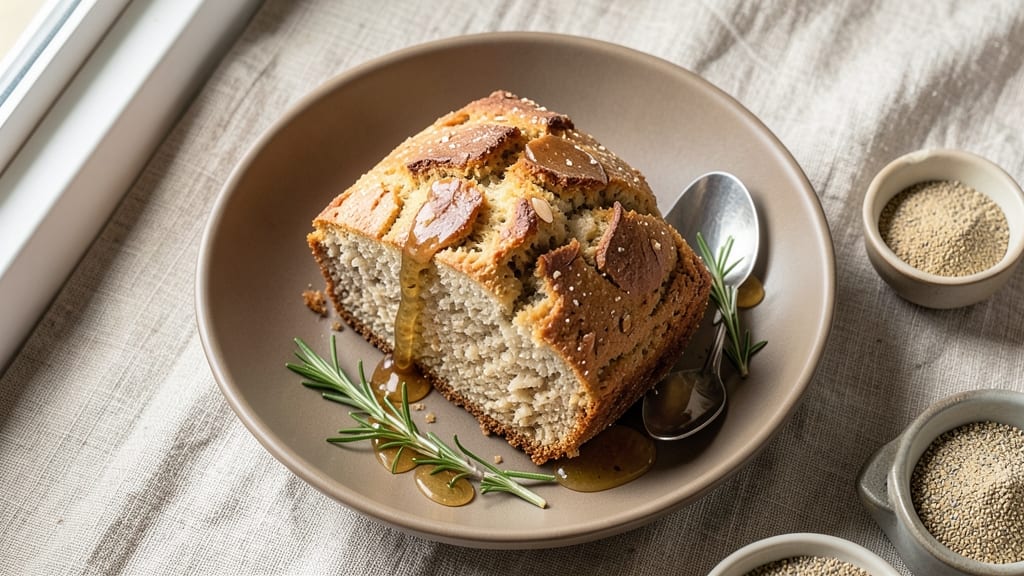
This almond flour and coconut flour bread recipe delivers a surprisingly light, airy loaf that rivals traditional bread—without gluten or yeast. After years of experimenting with grain-free baking, I've perfected a method that creates a tender crumb with just the right structure for toast or sandwiches.
The key lies in proper hydration and a careful balance between these two flours, which can be tricky but absolutely worth the effort.
The beauty of this recipe is its versatility—it bakes up with a golden crust and a soft interior, thanks to a simple binding technique using flaxseed meal. Unlike many grain-free breads that turn dense, this version rises beautifully and holds its shape.
It's perfect for those following paleo, keto, or vegan diets who still crave the comfort of fresh-baked bread without the heaviness.
What makes this recipe stand out is how well it performs in everyday situations: toast it for breakfast, use it for sandwiches, or even make French toast. The flavor is subtly nutty from the almond flour, with a slight coconut sweetness that pairs wonderfully with butter or jam.
With just 30 minutes of prep and 45 minutes in the oven, you'll have a warm, satisfying loaf that keeps well for days.
For best results, I recommend using a loaf pan and brushing the top with melted coconut oil before baking. The bread will stay fresh in an airtight container for up to 5 days or can be frozen for longer storage.
Let's get started on this game-changing recipe that proves grain-free baking doesn't mean sacrificing texture or taste.
Ingredients for almond flour and coconut flour bread
This light, airy almond-coconut loaf transforms simple pantry staples into a golden, satisfying bread.
| Ingredient | Amount | Notes |
|---|---|---|
| Almond Flour 🌰 | 2 ½ cups | Blanched, finely ground preferred |
| Coconut Flour 🥥 | ½ cup | Unbleached for best texture |
| Flaxseed Meal 🌾 | ⅓ cup | Ground flaxseeds for binding |
| Unsweetened Applesauce 🍎 | ¼ cup | For moisture and binding |
| Coconut Oil 🥥 | ½ cup | Melted, not solid |
| Raw Honey 🍯 | ⅛ cup | Substitute maple syrup for vegan |
| Baking Soda 🧪 | ½ tsp | Pure, aluminum-free |
| Sea Salt 🧂 | ½ tsp | Fine grain preferred |
| Warm Water 💧 | ½ cup | Room temperature |
| Vanilla Extract 🌸 | 1 tsp | Pure vanilla preferred |
| Psyllium Husk Powder 🌿 | 1 tbsp | Key for structure and rise |
| Xanthan Gum 🧪 | ¼ tsp | For elasticity (optional) |
The almond flour is non-negotiable here—Bob's Red Mill or Anthony's Goods brands yield the best texture. Coconut flour absorbs moisture like a sponge, so measure it by weight if possible—it's deceptive when scooped. For flaxseed meal, grind your own using whole flaxseeds in a coffee grinder for maximum freshness. The psyllium husk is the secret weapon that gives this bread its rise and chew. Now Foods sells it in bulk, and it's worth the small investment. If you're new to grain-free baking, this is where you'll notice the difference between a dense loaf and one that's light and airy.
No applesauce? Unsweetened pumpkin puree works in a pinch, though it adds a distinct flavor. Running short on coconut oil? Avocado oil or melted butter (for non-vegan versions) can substitute, but coconut's subtle sweetness is part of the magic. The baking soda must be fresh—if it's over a year old, toss it. For the vegan version, swap honey for maple syrup or agave nectar, though the bread will have a slightly sweeter profile. The psyllium husk can be tricky to find, but health food stores or Amazon usually have it in stock. If you skip xanthan gum, the bread will still bake, but it might lack that perfect springiness.
This bread keeps beautifully—wrap tightly in parchment paper and store in an airtight container for 5-6 days. For longer storage, slice and freeze individual portions. To reheat, pop slices in a toaster or 350°F oven for 5 minutes. The crust stays crisp for about 2 days, so enjoy it fresh or toast it daily. The loaf is best baked in a 9x5-inch loaf pan, but you can also shape it into a free-form round for a rustic look. Leftovers? French toast is a must—dip slices in coconut milk mixed with cinnamon and pan-fry until golden.
Why You'll Love This Recipe
- No Fuss Mixing: I swear by the flaxseed meal trick—just stir in water, and boom, you’ve replaced eggs without any fuss. The almond and coconut flours blend like butter (literally, if you use coconut oil), so no sifting or overworking the dough here. Honestly, my blender does more work than I do.
- Nutty-Sweet Magic: That combo of almond flour’s richness and coconut’s subtle toastiness? It’s like a hug in bread form. The unsweetened applesauce keeps it moist without tasting like dessert, and the coconut oil adds a buttery depth that surprises even skeptics. (Yes, even my kid who hates "healthy" food asks for seconds.)
- Lunchbox Hero: This bread holds up like a champ—perfect for sandwiches that won’t get soggy in a backpack. I make a double batch every Sunday because it’s my go-to for school lunches, charcuterie boards, or toast with avocado when I’m too tired to cook. (Between us, I’ve also used it as a makeshift pizza crust in a pinch.)
- Zero-Waste Pantry Staple: You’re probably already using these ingredients—almond flour for baking, coconut flour for thickening, flax for binding. This recipe turns them into something edible without extra shopping trips. Leftovers? Toast them for crispy croutons or freeze slices for quick toast later. My wallet (and my fridge) thank me.
Step-by-step instructions for almond flour and coconut flour bread
Here's how to create a light, airy loaf that defies expectations—no gluten, no yeast, just pure flavor.
Combine Dry Ingredients for Optimal Texture
In a large mixing bowl, whisk together the 2.5 cups almond flour and 0.5 cup coconut flour until thoroughly combined. This step ensures even distribution of both flours, which is critical for achieving that signature tender crumb. I like to use a whisk for this—it prevents clumping better than a spoon.
Next, add the 0.33 cup flaxseed meal, 0.5 tsp baking soda, 0.5 tsp sea salt, 1 tbsp psyllium husk powder, and 0.25 tsp xanthan gum. The psyllium husk is key here—it creates that signature rise and structure. Whisk everything together until no dry spots remain. The mixture will look like fine crumbs but should feel cohesive when pressed.
Mix Wet Ingredients for Perfect Binding
In a separate bowl, combine the 0.5 cup melted coconut oil (it should be completely liquid, not solid), 0.125 cup raw honey, 1 tsp vanilla extract, and 0.25 cup unsweetened applesauce. Stir until smooth—the applesauce helps bind the dry ingredients while adding natural sweetness and moisture.
In another small bowl, mix the 0.5 cup warm water with the wet ingredients. The warmth helps activate the psyllium husk and ensures the flaxseed meal binds properly. Pour this liquid mixture into the dry ingredients and stir vigorously for 2-3 minutes until a thick, shaggy batter forms. You'll notice it becomes increasingly sticky as the psyllium absorbs the liquid—this is normal and essential for the bread's structure.
Rest the Batter for Maximum Rise
Transfer the batter to a greased 8x4-inch loaf pan (or two mini loaf pans for smaller portions). Tap the pan gently on the counter to release any air bubbles trapped in the batter. This step prevents large holes in your final loaf.
Cover the pan tightly with plastic wrap and let the batter rest at room temperature for 30 minutes. Here's the thing—this resting period allows the psyllium husk to fully hydrate and expand, which creates that signature light, airy texture. Don't skip it, even if it seems like too much waiting. The difference in your final loaf will be dramatic.
Bake to Golden Perfection
Preheat your oven to 350°F and place a baking sheet on the middle rack to catch any potential drips. Bake the covered loaf for 50 minutes, then remove the plastic wrap and continue baking for another 15-20 minutes until the top is golden brown and the internal temperature reaches 200°F on an instant-read thermometer.
Here's where it gets exciting—the bread should spring back slightly when pressed with a finger, indicating it's fully baked. If the top browns too quickly, tent it loosely with foil to prevent over-browning while still allowing moisture to escape. The edges should pull away from the pan easily, and the loaf should have a beautiful, even rise with a crackly top.
Cool and Slice for Ideal Texture
Remove the bread from the oven and let it cool in the pan for 10 minutes, then transfer it to a wire rack to cool completely for at least 1 hour. This cooling period is crucial—it allows the internal structure to set properly, preventing a gummy texture. I know it's tempting to slice immediately, but patience here pays off.
Once fully cooled, slice the bread with a serrated knife for clean cuts. Each slice should reveal a tender, moist crumb with a slight chewiness from the almond flour. Store any leftovers in an airtight container at room temperature for up to 3 days or freeze for longer storage. This bread is perfect for toast, sandwiches, or enjoying fresh out of the oven with a spread of almond butter.
Pro Tips For Making Almond Flour And Coconut Flour Bread
- Mix the flours first: Almond flour and coconut flour behave like oil and water—skip mixing them dry first, and you’ll end up with a gummy mess. Whisk them together before adding wet ingredients to break up coconut flour’s clumps and distribute almond flour evenly. I learned this the hard way after a batch turned into a dense brick.
- Pre-mix flax eggs: Grind your flaxseed meal right before mixing—not hours ahead—and stir it into the applesauce immediately. The longer you wait, the thicker the "egg" gets, and your bread will turn out dry. I now measure flax + water, let it sit for exactly 5 minutes, then mix it into the applesauce while still slightly runny.
- Don’t overbake: This bread dries out fast, and there’s no bringing it back. Pull it out when the top is golden and the internal temp hits 190°F (205°F for a loaf pan). If you’re unsure, cut a slice—it should be moist but not sticky. I’ve ruined three batches by walking away for "just five more minutes."
- Use melted coconut oil: Solid coconut oil won’t distribute evenly, leading to greasy spots or dry patches. Melt it first (microwave 10 seconds or warm in a bowl over hot water), then let it cool slightly before mixing. This ensures a tender crumb without a waxy mouthfeel. Trust me, your bread will taste better.
Perfect pairings for this dish
Breakfast Pairings
Start your day with this bread as the base for avocado toast—mash ½ ripe avocado with ½ tsp lemon juice, ¼ tsp sea salt, and black pepper, then spread generously.
The nutty flavor of the almond flour complements the creamy avocado perfectly. For extra protein, top with 2 scrambled eggs cooked in coconut oil until just set. 🍳
For a sweet morning treat, try coconut milk French toast. Dip slices in a mixture of ½ cup coconut milk, 1 tbsp maple syrup, and 1 tsp vanilla extract, then pan-fry in coconut oil until golden brown.
Dust with cinnamon and serve with fresh berries for a tropical-inspired breakfast.
Lunch and Dinner Uses
This bread excels as a sandwich base for hearty lunches. Try a turkey and avocado club with 4 oz sliced turkey breast, 2 slices tomato, 1 slice cucumber, and a smear of vegan mayo (like Just Mayo).
The sturdy texture holds up perfectly to these fillings. For dinner, use it as a grilled cheese companion—pair with sharp cheddar (or vegan cheese) and pan-fry in butter or coconut oil until crispy.
For a Mediterranean-inspired bowl, toast slices and crumble over quinoa salads with cherry tomatoes, kalamata olives, red onion, and a drizzle of lemon-tahini dressing. The bread adds a satisfying crunch and soaks up flavors beautifully. 🥗
Sweet Treats and Snacks
Dip warm slices in dark chocolate (melt ½ cup dark chocolate chips with 1 tbsp coconut oil over a double boiler) for a quick dessert. Let set on parchment paper, then break into pieces for chocolate-dipped bread bites.
For a lighter option, spread with almond butter and sprinkle with sliced banana and a pinch of cinnamon.
Create cinnamon sugar toast by brushing slices with melted coconut oil and sprinkling with a mix of 1 tbsp cinnamon and 1 tbsp sugar. Toast until golden and serve with a dollop of Greek yogurt (or coconut yogurt for vegan) and extra honey.
This is my go-to afternoon pick-me-up! ✨
Beverage Pairings
Pair this bread with iced coffee or cold brew—the nutty undertones in the almond flour complement the rich, bold flavors. For a creamy option, try vanilla chai latte made with coconut milk and a dash of cinnamon. The warmth of the spice enhances the bread's subtle sweetness.
For a refreshing contrast, serve with sparkling water infused with cucumber and mint. The crisp, clean flavors cut through the bread's richness, making it feel lighter. If you prefer something warm, herbal tea like peppermint or chamomile** pairs wonderfully with the bread's mild sweetness and nutty notes.
Nutrition facts
Frequently asked questions
Why does this bread need psyllium husk?
Psyllium husk is the secret to achieving that perfect rise and tender crumb in grain-free bread. It creates a gel-like consistency when hydrated, mimicking gluten's binding properties. Without it, your loaf will be dense and crumbly. Just 1 tablespoon gives this bread its signature structure and chewiness.
Can I make this bread without xanthan gum?
Yes, but the texture will differ slightly. Xanthan gum adds elasticity and helps with moisture retention. If you omit it, your bread might be slightly less springy but still delicious. For a substitute, try 1 teaspoon guar gum or increase the psyllium husk to 1.5 tablespoons for better structure.
How do I fix if my batter is too thick or too thin?
If the batter is too thick, add 1 tablespoon warm water at a time until it reaches a thick, shaggy consistency. For a runny batter, stir in 1 tablespoon more coconut flour or 1 tablespoon almond flour to absorb excess moisture. The ideal consistency is like thick pancake batter.
Will this bread work in a sandwich?
This bread holds up beautifully in sandwiches. Its sturdy texture supports fillings like turkey, avocado, or vegan cheese without falling apart. For extra stability, lightly toast slices before assembling. The nutty flavor also pairs wonderfully with savory fillings.
Can I substitute almond flour for another nut flour?
Yes, but texture may vary. Cashew flour works best as a 1:1 substitute, but it's heavier. Hazelnut or macadamia flour can be used in 50% replacement for a richer flavor. Avoid walnut flour—it has a strong taste that overpowers the bread. Always adjust moisture if your nut flour is finer or coarser.