
Side Dishes
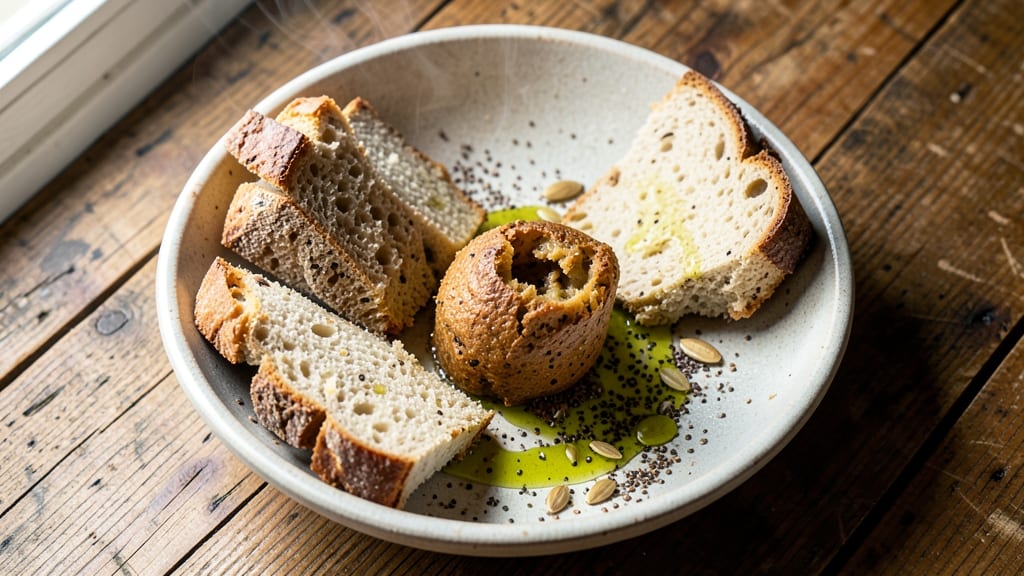
This anti-inflammatory sourdough bread recipe transforms traditional baking into a gut-healing powerhouse using ancient grains and nutrient-dense seeds. The fermentation process unlocks natural probiotics that support digestion while reducing inflammation, making every slice a functional food.
I developed this recipe after years of experimenting with whole-grain sourdough, focusing on ingredients that calm the body from the inside out.
The secret lies in the combination of activated sourdough starter—rich in beneficial bacteria—and carefully selected grains like einkorn and spelt, which are easier to digest than modern wheat varieties.
Adding chia, flax, and sunflower seeds boosts omega-3s and fiber, while the long fermentation breaks down gluten proteins, making this bread gentler on sensitive systems. The result is a loaf with a crisp crust and airy crumb that tastes as good as it makes you feel.
This method delivers restaurant-quality sourdough with none of the digestive discomfort. The natural leavening creates a lighter texture than commercial breads, while the seeds and grains add satisfying crunch and depth of flavor.
Perfect for those managing inflammation or simply seeking a healthier daily bread, this recipe requires patience but rewards you with a loaf that nourishes both body and soul.
Whether you're new to sourdough or a seasoned baker, the step-by-step process makes it achievable. The key is proper starter maintenance and controlled fermentation—two techniques that transform ordinary flour into a therapeutic food. Let's create a loaf that heals as beautifully as it tastes.
Ingredients for anti inflammatory sourdough bread
Ancient grains, gut-friendly seeds, and a probiotic-rich starter create this therapeutic loaf.
| Ingredient | Amount | Notes |
|---|---|---|
| Activated Sourdough Starter 🍞 | ½ cup | Unfed, bubbly starter (100% hydration) |
| Einkorn Flour 🌾 | 2 cups | Stone-ground, high-protein variety |
| Spelt Flour 🌾 | 1 ½ cups | Freshly milled preferred |
| White Whole Wheat Flour 🌾 | ½ cup | For structure and texture |
| Chia Seeds 🌱 | ¼ cup | Ground for even distribution |
| Flaxseeds 🌱 | ¼ cup | Ground, for omega-3s |
| Sunflower Seeds 🌻 | ¼ cup | Raw, unsalted |
| Extra-Virgin Olive Oil 🫒 | ¼ cup | Cold-pressed, fruity variety |
| Raw Honey 🍯 | 2 tbsp | Local, unprocessed |
| Filtered Water 💧 | 1 ½ cups | Room temperature |
| Diamond Crystal Kosher Salt 🧂 | 1 ½ tsp | Fine grain preferred |
| Ground Cinnamon 🌿 | ½ tsp | Ceylon preferred |
| Ground Turmeric 🌿 | ½ tsp | Freshly ground |
| Sesame Seeds 🌰 | 1 tbsp | Toasted for garnish |
The sourdough starter is the foundation—look for a bubbly, active culture with a tangy aroma. Bob's Red Mill carries excellent einkorn and spelt flours, but any high-quality stone-ground variety works. For seeds, Bob's Red Mill or Anthony's Goods offer organic options with superior freshness. The combination of chia and flax seeds provides the omega-3s that reduce inflammation, while sunflower seeds add crunch and vitamin E. Freshly ground spices like cinnamon and turmeric maximize their anti-inflammatory properties—pre-ground loses potency quickly.
No einkorn? Substitute with whole wheat berries ground into flour—though texture will differ slightly. Spelt flour can be swapped for Dinkel wheat flour if unavailable. For the seeds, pumpkin seeds work as a 1:1 replacement for sunflower. The honey can be replaced with maple syrup for a vegan adaptation, though flavor will shift. If you're sensitive to gluten, certified gluten-free oats can replace 10% of the flours, though texture will be denser. The olive oil is non-negotiable—avoid refined versions that lack the anti-inflammatory compounds.
Store the starter in a glass jar with a loose lid at room temperature for up to 1 week. The dough can be refrigerated for 24 hours before baking, allowing flavors to develop further. Once baked, the loaf keeps at room temperature for 3 days or in the freezer for 3 months. Toasting slices enhances the anti-inflammatory compounds, so I recommend toasting before serving. The seeds and grains retain their nutritional benefits even after baking, making this a truly functional food.
Why You'll Love This Recipe
- No-Fuss Fermentation: I swear by this—just toss in your activated starter, mix the flours (einkorn’s nutty depth + spelt’s chew), and let time do the work. No kneading, no stress, just a 12-hour bulk ferment while you sleep.
- Chia-Packed Crust: That crispy, golden edge? All thanks to chia seeds mixed into the dough. It’s like a little burst of fiber with every bite—honestly, I didn’t think I’d notice, but now I crave it.
- Weeknight Wonder: Toss a loaf in the fridge for days—perfect for toast, sandwiches, or charcuterie boards. My kids grab it cold for lunch, and I slice it fresh for dinner. Zero waste, all flavor.
- Budget-Friendly Staple: Spelt and whole wheat stretch further than white bread, and chia seeds add richness without breaking the bank. I make two loaves at once, freeze one, and never stress about running out.
Step-by-step instructions for anti-inflammatory sourdough bread
This method delivers a nourishing loaf with ancient grains and gut-healing seeds.
Prepare the Seed Blend for Enhanced Nutrition
In a food processor, grind the chia seeds, flaxseeds, and sunflower seeds together until finely powdered. This step ensures even distribution throughout the dough and maximizes their anti-inflammatory benefits. Transfer the ground seed mixture to a small bowl and set aside.
The reason for grinding is twofold: first, it prevents the seeds from sinking to the bottom during mixing, and second, it allows the body to absorb their nutrients more efficiently. You'll notice the texture becomes fine and powdery, similar to flour. If any seeds remain whole, simply pulse them again until fully ground.
Combine Wet Ingredients and Hydrate the Dough
In a large mixing bowl, combine the activated sourdough starter, extra-virgin olive oil, raw honey, filtered water, and the ground seed mixture. Mix until fully incorporated, scraping down the sides of the bowl as needed. Add the ground cinnamon, ground turmeric, and diamond crystal kosher salt and stir until dissolved.
Next, gradually add the einkorn flour, spelt flour, and white whole wheat flour while mixing with a wooden spoon or dough whisk. The dough will begin to thicken but should remain sticky. This combination of ancient grains provides a perfect balance of protein, fiber, and digestibility. Mix for approximately 5 minutes until the dough comes together and pulls away from the sides of the bowl.
Develop the Dough Through Bulk Fermentation
Cover the mixing bowl with a damp kitchen towel and let the dough ferment at room temperature for 8-12 hours. The ideal fermentation time depends on your kitchen temperature—warmer environments will speed up fermentation, while cooler ones will slow it down. You'll know it's ready when the dough has nearly doubled in size and exhibits bubbles throughout.
During this time, the sourdough starter will work its magic, breaking down the gluten and phytic acid in the ancient grains, making them more digestible. The dough should be noticeably lighter and airy, with a slightly tangy aroma. If the dough doesn't rise significantly after 12 hours, it may need an additional 2-4 hours of fermentation.
Shape and Proof the Dough for Optimal Texture
Lightly flour a clean work surface and transfer the dough onto it. Gently shape the dough into a round loaf by pulling the edges toward the center and tucking them underneath. This technique, known as bouling, helps create a tight crumb structure. Place the shaped dough seam-side up in a lightly oiled loaf pan or a banneton dusted with einkorn flour for easier release.
Cover the dough with the damp towel and allow it to proof for an additional 4-6 hours or until it has risen about 50% above the rim of the pan. The dough should feel springy when pressed gently with a fingertip. If shaping the dough is challenging due to stickiness, wet your hands slightly to prevent tearing. The proofing stage is crucial for developing flavor and ensuring a light, airy crumb.
Bake for a Crispy Crust and Tender Crumb
Preheat your oven to 375°F and place a baking stone or inverted baking sheet on the middle rack. This creates steam during baking, which is essential for achieving a crispy crust. Once the oven is fully preheated, carefully transfer the dough (still in the pan) onto the baking stone. If using a banneton, invert the dough onto a parchment-lined baking sheet.
Bake the bread for 40-45 minutes, or until the crust is deep golden brown and the internal temperature reaches 205-210°F when measured with an instant-read thermometer. The bread should sound hollow when tapped on the bottom. If the crust begins to brown too quickly, tent the bread with aluminum foil to prevent over-browning while ensuring it cooks through.
Cool and Finish with Toasted Sesame Seeds
Remove the bread from the oven and transfer it to a wire rack to cool completely. This step is critical—cooling the bread properly allows the crumb to set and prevents a gummy texture. While the bread cools, toast the sesame seeds in a dry skillet over medium heat for 1-2 minutes until fragrant and lightly golden. Sprinkle them evenly over the cooled loaf just before serving.
The final loaf should have a crisp, golden crust with an open, airy crumb. Each slice should reveal a mix of ancient grains and seeds, offering both visual appeal and nutritional benefits. Store the bread in an airtight container at room temperature for up to 3 days or freeze for longer storage. This anti-inflammatory sourdough bread is perfect for toast, sandwiches, or enjoyed on its own with a spread of extra-virgin olive oil and a sprinkle of ground turmeric.
Pro Tips For Making Anti Inflammatory Sourdough Bread
- STIR CHIA SEEDS FIRST: Mix your chia seeds with a splash of water (about 1 tablespoon per 2 tablespoons chia) and let them sit for 10 minutes before adding to the dough. This prevents clumping in your spelt and einkorn flour—trust me, you’ll notice the difference in texture.
- WEIGH YOUR FLOURS: Use a kitchen scale for einkorn and spelt flour—don’t eyeball it. Einkorn in particular is lighter than white whole wheat, and off measurements throw off hydration. A 1% variance makes a soggy or dry loaf, and neither is worth the guesswork.
- SKIP THE OVER-KNEAD: This dough resists overworking. Once you see the gluten relax after bulk fermentation, stop folding. Overhandling turns your anti-inflammatory loaf into a chewy brick—especially with spelt’s stubborn protein. A few gentle stretches and folds are all it needs.
- BAKE WITH STEAM THEN DRY: Start your bake with a tray of boiling water in the oven for 10 minutes, then remove it. The steam helps the einkorn crust rise properly, but without it, you’ll end up with a dense, flat top—no matter how much you score. (Yes, even with chia seeds.)
Wine and beer pairings for anti inflammatory sourdough bread
Light White Wine Pairings
For this gut-friendly loaf, I reach for dry Italian whites like Vermentino or Pinot Grigio—their crisp acidity cuts through the bread's rich, nutty flavors while highlighting the turmeric's earthy warmth.
A glass of Vermentino from Sardinia (around $18-$25) shows off the ancient grains' complexity without overpowering the subtle sweetness from honey. Serve slightly chilled to enhance the bread's crisp crust. 🍷
Crisp Lager Complements
A German Pilsner or Belgian Witbier balances the bread's hearty texture with refreshing carbonation. I love Weihenstephaner Hefeweissbier for its banana notes that complement the honey, while Hoegaarden adds a coriander brightness that mirrors the turmeric's spice.
The light body prevents the beer from feeling heavy alongside the dense seeds. Keep it at 45-50°F for optimal contrast. 🍺
Red Wine for Bold Palates
For those who prefer red, a light-bodied Chianti or Pinot Noir works beautifully. The Chianti's acidity (try Castello di Volpaia) mirrors the bread's fermentation tang, while Pinot Noir from Oregon (like Domaine Serene) enhances the einkorn's nutty depth.
Both wines avoid overpowering the delicate spices—just decant for 15 minutes to soften tannins. 🍇
Non-Alcoholic Options
For a refreshing non-alcoholic pairing, try sparkling water infused with cucumber and mint—the coolness refreshes the palate between bites. Alternatively, a ginger-beer (like Fever-Tree) echoes the turmeric's warmth while adding a zesty kick. Serve with extra ice to maintain crispness throughout the meal. ✨
Seasonal Adaptations
In summer, opt for Sauvignon Blanc (New Zealand) to match the bread's bright citrus notes from honey. During winter, a Malbec (Argentina) with its velvety texture stands up to the bread's dense crumb. Always let the wine breathe—pour into a glass 30 minutes before serving to enhance aroma. 🌿
Nutrition facts
Frequently asked questions
Why does sourdough fermentation reduce inflammation?
The natural fermentation process breaks down gluten proteins and phytic acid, making nutrients more bioavailable while creating beneficial bacteria that support gut health. The long fermentation also lowers the glycemic index, helping stabilize blood sugar levels—both key factors in reducing inflammation. The combination of ancient grains and seeds further boosts this effect with their omega-3s and antioxidants.
Can I make this bread without a sourdough starter?
Yes, but the anti-inflammatory benefits will be reduced. You can use 1 packet (2¼ tsp) active dry yeast instead of the starter, but the flavor and digestibility won't be as optimal. For best results, maintain a starter for future batches—it's easier than you think! A simple starter can be created in 5-7 days using just flour and water.
How do the seeds and spices enhance anti-inflammatory properties?
The chia and flaxseeds provide omega-3 fatty acids that combat inflammation, while turmeric contains curcumin—a potent anti-inflammatory compound. Cinnamon helps regulate blood sugar, and sunflower seeds add vitamin E, another inflammation fighter. Together, they create a nutritional powerhouse that works synergistically with the fermented grains.
What's the best way to store this bread to maintain freshness?
Wrap cooled slices in parchment paper and store in an airtight container at room temperature for up to 3 days. For longer storage, freeze individual slices wrapped in plastic—this preserves the seeds' nutrients and prevents staling. Toasting before serving enhances both flavor and anti-inflammatory compounds!
Can I substitute any of the ancient grains for regular flour?
While you can replace up to 50% of the einkorn and spelt with whole wheat or rye flour, the texture and anti-inflammatory benefits will differ. Ancient grains like einkorn and spelt have lower gluten content and higher mineral availability, which are key to this recipe's health benefits. For best results, stick to the original grain combination.