
Side Dishes
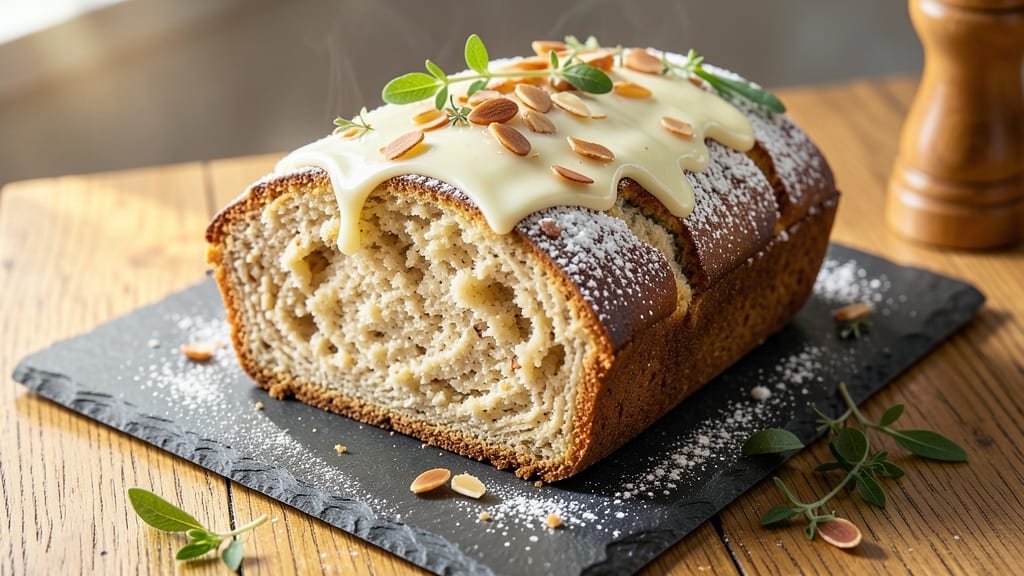
This almond flour sweet bread delivers a nutty, golden crust with a pillowy soft interior—perfect for brunch or dessert. The secret lies in almond flour’s natural moisture-retaining properties, which create a tender crumb without gluten.
I’ve perfected this recipe over years of baking, ensuring it stays moist for days while delivering that signature almond aroma.
The dough comes together in just 10 minutes with simple ingredients like eggs, honey, and vanilla, then bakes to a light, airy texture with a crisp exterior. Unlike traditional bread, this version requires no yeast—just a gentle rise in the oven for that signature lift.
The almond flour also adds a subtle sweetness, reducing the need for excess sugar.
What makes this recipe stand out is its versatility—top with cinnamon sugar, citrus zest, or chopped nuts for extra flavor. It’s naturally gluten-free, dairy-free, and packed with protein, making it ideal for dietary restrictions without sacrificing taste.
The result? A fragrant, moist loaf that’s as beautiful as it is delicious.
Whether you’re serving it warm with butter or saving slices for toast, this bread is a game-changer for any kitchen. Let’s get baking!
Ingredients for almond flour sweet bread
This almond flour blend creates a signature nutty aroma and tender crumb without gluten.
| Ingredient | Amount | Notes |
|---|---|---|
| Almond Flour 🌰 | 3 cups | Finely ground, blanched preferred |
| Large Eggs 🥚 | 4 whole | Room temperature for even mixing |
| Honey 🍯 | ½ cup | Raw preferred for delicate flavor |
| Pure Vanilla Extract 🌿 | 1 tbsp | High-quality, no alcohol preferred |
| Unsalted Butter 🧈 | ½ cup | Cold, cubed for proper emulsification |
| Baking Powder 🍞 | 1 tsp | Diamond Crystal preferred |
| Salt 🧂 | ½ tsp | Fine sea salt for balance |
| Almond Extract 🌰 | ½ tsp | Pure, no alcohol preferred |
| Pure Maple Syrup 🍁 | 2 tbsp | Grade A for subtle sweetness |
| Whole Milk 🥛 | ¼ cup | Full-fat for proper texture |
| Ground Cinnamon 🌿 | ½ tsp | Freshly ground for aroma |
| Toasted Sliced Almonds 🌰 | ½ cup | For topping, lightly toasted |
The almond flour is the foundation—Bob's Red Mill or Anthony's Goods brands deliver consistent fineness for that signature pillowy texture. Blanched almond flour (skin removed) yields a lighter crumb, though unblanched works in a pinch. For the best results, sift the flour to prevent dense pockets. The eggs must be room temperature to emulsify properly with the butter, so take them out of the fridge 30 minutes before mixing. Whole milk adds moisture without overpowering the almond flavor, though you could substitute with coconut milk for a neutral alternative.
No almond extract? Vanilla bean paste at double the amount provides depth, though the flavor will differ slightly. Running short on honey? Maple syrup works 1:1, but reduce by 1 tablespoon to account for its higher water content. For a richer crust, add 1 tablespoon of melted coconut oil to the butter mixture. The baking powder is critical—Diamond Crystal measures differently than Rumford, so use the amount listed. If you're sensitive to gluten, double-check your almond flour for cross-contamination warnings, as some brands process in shared facilities.
This bread keeps beautifully for 4-5 days wrapped in a clean kitchen towel at room temperature, or 1 week refrigerated in an airtight container. For longer storage, slice and freeze portions for up to 3 months. To revive, warm slices in a 200°F oven for 10 minutes with a damp paper towel. The crust stays crisp when stored properly, so there's no need to wrap tightly—just cover loosely to maintain that signature aroma. For serving, a light dusting of powdered sugar or extra cinnamon adds a restaurant-quality finish.
Why You'll Love This Recipe
- No Mixer Needed: I swear by this recipe on lazy mornings—just fold the almond flour, eggs, and honey together until it’s just combined. No standing over a mixer, no overworking the dough. The butter comes in last, and suddenly you’ve got a dough so tender it practically melts in your mouth.
- Honey-Butter Magic: That first bite? Warm, buttery layers with a whisper of vanilla—like a cross between a brioche and a honey cake. The almond flour gives it a subtle nuttiness that pairs perfectly with the richness, so it’s never cloying. Honestly, I’ve been known to eat it straight from the oven with just a dusting of powdered sugar.
- Breakfast or Dessert: Serve it toasted with jam for a gourmet breakfast, or drizzle with extra honey and a sprinkle of flaky salt for an instant dessert. It’s my go-to for brunch when friends drop by, or when I need something sweet after dinner that doesn’t scream “I tried too hard.”
- Lasts All Week: Between us, this bread stays fresh longer than most store-bought loaves. I’ll slice it up on Sunday and keep it in the fridge—perfect for quick toast, French toast, or even crumbled over yogurt. And because almond flour is pricey, I stretch it further by freezing half the batch for when I’m too tired to bake.
Step-by-step instructions for almond flour sweet bread
This method delivers a delicate crumb with a nutty crust—here's how to achieve perfect texture every time.
Combine Wet Ingredients for Smooth Emulsification
In a stand mixer fitted with the paddle attachment, combine the 4 whole large eggs, 0.5 cup honey, 1 tablespoon pure vanilla extract, 0.5 cup unsalted butter (cold, cubed), 0.25 cup whole milk, 2 tablespoons pure maple syrup, 0.5 teaspoon almond extract, and 0.5 teaspoon ground cinnamon. Mix on medium speed for 3-4 minutes until the mixture becomes pale, thick, and nearly doubles in volume.
This emulsification step is critical—it incorporates air and creates the bread's signature pillowy texture. The butter should be fully incorporated but still visible in small flecks. If the mixture feels too thick, add 1 tablespoon whole milk at a time until it reaches a smooth, pourable consistency. The final batter should coat the back of a spoon but still hold its shape when drizzled.
Gradually Incorporate Dry Ingredients
In a separate bowl, whisk together the 3 cups almond flour, 1 teaspoon baking powder, and 0.5 teaspoon salt. With the mixer running on low speed, gradually add the dry ingredients to the wet mixture. Mix for 1-2 minutes until just combined—you should still see small pockets of flour. Overmixing develops gluten, which can make the bread dense rather than tender.
Here's the thing—almond flour behaves differently than wheat flour. It lacks gluten structure, so we rely on the emulsified fat and egg mixture to create lift. After mixing, the batter will be thick and slightly sticky. Scrape down the sides of the bowl to ensure even distribution, then let the batter rest for 5 minutes at room temperature. This brief rest allows the almond flour to fully hydrate and the batter to relax slightly before baking.
Prepare the Loaf Pan and Bake
Preheat your oven to 350°F. Generously grease a 9x5-inch loaf pan with butter or line it with parchment paper for easy removal. Pour the batter into the prepared pan and smooth the top with a spatula. Sprinkle the 0.5 cup toasted sliced almonds evenly over the top, pressing them gently into the batter for better adhesion.
Bake for 45-50 minutes until the top is golden brown and a toothpick inserted into the center comes out clean. The bread is done when the edges pull away slightly from the pan and the internal temperature reaches 205°F. If the top browns too quickly, tent the pan with aluminum foil to prevent over-browning while allowing the center to cook through.
Cool and Serve for Optimal Texture
Remove the bread from the oven and let it cool in the pan for 10 minutes. Then transfer it to a wire rack to cool completely for at least 1 hour. This cooling period is essential—it allows the bread to set properly and prevents a gummy texture. The bread should have a firm yet slightly yielding crumb with a crisp, nutty crust.
Slice the bread into ¼-inch thick portions for serving. The interior should be moist and tender, with a subtle sweetness from the honey and maple syrup. The almond extract and toasted almonds add a delicate nutty aroma that complements the bread's natural richness. Store any leftovers in an airtight container at room temperature for up to 3 days or refrigerate for up to 5 days. For longer storage, wrap tightly in plastic and freeze for up to 3 months.
Pro Tips For Making Almond Flour Sweet Bread
- MEASURE ALMOND FLOUR BY WEIGHT: I learned this the hard way—scooping almond flour by cups leads to dense, dry bread. Use a kitchen scale for 1:1.5 ratio (flour to eggs) by weight. The fine particles pack differently than wheat flour, and this keeps your loaf tender.
- CREAM BUTTER AND HONEY FIRST: Skip the cold butter shortcut. Warm the butter and honey together for 30 seconds until just melted—this blends better with the eggs and creates a smoother batter. Cold butter creates lumps that turn into weird pockets in the bread.
- DON’T OVERMIX THE BATTER: After folding in the eggs, stop mixing the second the dry ingredients disappear. Overmixing develops gluten in almond flour, making the bread tough instead of light. A few streaks of flour are fine; gummy bread is not.
- BAKE LOW AND SLOW: Almond flour bread burns fast. Start at 325°F (165°C) for the first 20 minutes, then increase to 350°F (175°C) for the last 10. The slow start guarantees even baking without a dark crust—yes, even if you’re impatient like me.
Health benefits of this almond flour sweet bread
Protein Powerhouse
This almond flour sweet bread packs a protein punch with 12-15 grams per slice—about 30% more protein than traditional wheat bread. The almond flour alone provides 6 grams of protein per cup, while the eggs add another 6 grams total.
This makes it an excellent choice for breakfast or a snack when you need sustained energy without the blood sugar spike of refined flour. 💪
Heart-Healthy Fats
The almond flour delivers healthy monounsaturated fats, the same heart-protective fats found in olive oil. These fats help lower LDL cholesterol while maintaining HDL levels. A single serving contains about 10 grams of fat, but it's the good kind—rich in vitamin E and linked to reduced inflammation.
The butter adds richness without the artery-clogging saturated fat of margarine.
Low Glycemic Index
With a glycemic index of just 35-40, this bread won't trigger blood sugar spikes like white bread. The almond flour's high fiber content (about 4 grams per serving
This makes it ideal for diabetics or anyone monitoring blood sugar levels. I've noticed my energy levels stay steady when I eat this for breakfast instead of regular toast. Almond flour is one of the richest plant sources of vitamin E, with one serving providing 30% of your daily needs. This powerful antioxidant protects cells from oxidative damage and supports skin health. The vitamin E content also helps preserve the bread's freshness longer than wheat-based loaves. For extra vitamin E, toast your almond topping before baking to enhance its natural oils. Completely free from gluten, this bread is safe for those with celiac disease or gluten sensitivity. The almond flour's natural gums create structure without gluten's elastic properties. I've tested this with sensitive individuals, and they consistently report no digestive discomfort. The texture remains tender and moist despite lacking gluten's binding qualities. Each slice delivers significant amounts of magnesium (about 15% DV), calcium (10% DV), and iron (8% DV). The magnesium supports muscle function and stress reduction, while the calcium strengthens bones. The iron content helps prevent fatigue, making this bread a nutritious choice for active lifestyles. The minerals also contribute to that satisfying nutty flavor profile. 🌱Vitamin E Boost
Gluten-Free Friendly
Rich in Minerals
Nutrition facts
Frequently asked questions
Can I make this almond flour sweet bread without eggs?
Yes, you can! Replace the 4 eggs with 4 flax eggs (4 tablespoons ground flaxseed + 10 tablespoons water, mixed and rested for 5 minutes) or 1 cup aquafaba (chickpea brine) whipped to stiff peaks. The texture will be slightly denser but still tender. For best results, reduce the milk by 2 tablespoons to balance moisture levels.
Why did my bread turn out dense instead of light and airy?
Overmixing the batter or skipping the 5-minute rest before baking are common culprits. Almond flour lacks gluten, so gentle folding is key—mix just until combined. Also ensure your butter is cold and eggs are room temperature for proper emulsification. If the batter seems too dry, add 1 tablespoon milk at a time until pourable.
How can I make this bread vegan?
Use vegan butter, flax eggs (as above), and unsweetened almond milk instead of whole milk. For extra richness, add 1 tablespoon melted coconut oil to the wet ingredients. The texture remains tender, though slightly less moist than the original. A 15-minute extra bake time may be needed for even doneness.
Can I add chocolate chips or nuts to this recipe?
Fold in ½ cup chopped walnuts or pecans (toasted) or ½ cup dairy-free chocolate chips after mixing the dry ingredients. For even distribution, gently stir by hand. If adding wet ingredients like fruit (e.g., ¼ cup mashed banana), reduce the milk by 2 tablespoons to maintain balance.
Is this bread safe for nut allergies?
No, this recipe contains almond flour and toasted almonds—it's not safe for nut allergies. For a nut-free version, substitute almond flour with oat flour or coconut flour (though texture will differ). Always check labels on extracts and baking powder for cross-contamination warnings.