
Side Dishes
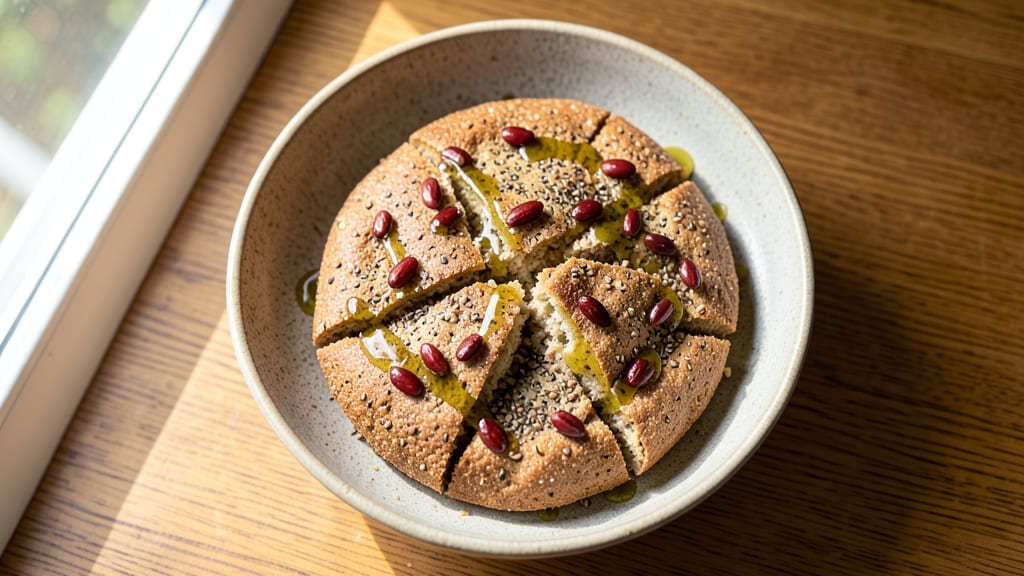
This almond flour unleavened bread recipe delivers a nutty, crispy loaf without yeast or long waits—perfect for vegan diets and quick meals. The secret lies in binding almond flour with flax eggs and warm water, creating a sturdy yet tender texture that bakes in just 30 minutes. I developed this after craving a bread that was both gluten-free and effortless, and it never fails to impress.
What sets this recipe apart is its versatility—shape it into flatbreads for wraps, a sandwich loaf for toast, or even crackers for snacking. The almond flour adds natural sweetness and a satisfying crunch, while optional seeds or herbs can customize the flavor.
Unlike traditional bread, this version requires no kneading, rising, or yeast, making it ideal for busy weeknights.
The result is a golden, aromatic loaf with a crisp exterior and a soft, slightly chewy interior—naturally gluten-free and packed with plant-based protein. Serve warm with soups, pair with hummus, or toast for a nutty breakfast. This bread proves that healthy eating doesn’t mean sacrificing texture or taste.
For extra flavor, try adding sunflower seeds, rosemary, or garlic powder to the dough before baking. The recipe scales easily, so double the batch for meal prep or sharing. Let’s bake this nutty, no-fuss bread!
Ingredients for almond flour unleavened bread
Four simple staples plus optional extras create this nutty, vegan-friendly bread with zero yeast.
| Ingredient | Amount | Notes |
|---|---|---|
| Almond Flour 🌰 | 2 ½ cups | Finely ground for best texture |
| Ground Flaxseed 🌾 | 3 tbsp | Mixed with 9 tbsp water for flax eggs |
| Warm Water 💧 | ¾ cup | Freshly boiled, cooled slightly |
| Salt 🧂 | 1 tsp | Fine sea salt preferred |
| Olive Oil 🫒 | ¼ cup | Extra-virgin for richness |
| Sunflower Seeds 🌻 | ¼ cup | Optional for extra crunch |
| Fresh Rosemary 🌿 | 1 tbsp | Chopped, optional herb |
| Garlic Powder 🧄 | 1 tsp | For subtle savory depth |
| Sesame Seeds 🌰 | 2 tbsp | For topping, optional |
Almond flour is the star here—Bob's Red Mill or Anthony's Goods are my go-tos for consistent texture. The finer the grind, the better the crumb (avoid almond meal, which is coarser). Flax eggs are the secret binder, so measure carefully—the ratio of flax to water is crucial for that sturdy yet tender texture. For extra flavor, I often add sunflower seeds or rosemary from the bulk bins at Whole Foods, but store-bought works too. If you can't find fresh rosemary, dried at half the amount is fine.
No almond flour? Cashew flour or oat flour can substitute at the same weight, though texture will vary slightly. Short on flaxseed? Chia seeds work too—just double the amount. The olive oil can be swapped for avocado oil or melted coconut oil, but stick to extra-virgin for the best flavor. For a sweeter loaf, add 1 tbsp maple syrup to the warm water. If you're baking for a crowd, this recipe scales perfectly—just double the ingredients and bake in a larger pan.
This dough keeps for 2 days in the fridge, wrapped tightly in plastic. For longer storage, freeze the shaped loaf for up to 3 months. To reheat, wrap in foil and warm in a 350°F oven for 5-10 minutes. The bread freezes beautifully too—just thaw overnight in the fridge before toasting. For extra crispiness, brush the baked loaf with a little more olive oil while still warm. Store leftovers in an airtight container to maintain freshness.
Why You'll Love This Recipe
- No Fuss Mixing: I swear, this dough comes together in five minutes—just toss almond flour, flaxseed, water, and olive oil. No kneading, no waiting, no stress. Honestly, the ground flaxseed acts like a binder, so you don’t even need eggs or special tricks.
- Rich Nutty Depth: That olive oil keeps it tender, but the almond flour? Chef’s kiss. It’s got this warm, buttery richness that makes it taste like a fancy sourdough—without the fuss. The salt balances it perfectly, so it’s never bland.
- Meal Prep MVP: Between us, this bread stays fresh for days in the fridge, and it’s great toasted or as a wrap. I make a batch on Sundays, and by Wednesday, I’m still using it for sandwiches or dipping in hummus. No sad, stale loaves here.
- Budget-Friendly Staple: Almond flour might seem pricey, but a little goes a long way, and the flaxseed stretches it further. Plus, no yeast or fancy additives mean you’re not breaking the bank. It’s my go-to when I need something reliable without the grocery splurge.
Step-by-step instructions for almond flour unleavened bread
This no-yeast method delivers crispy, nutty bread with minimal effort and no waiting time.
Create Flaxseed "Eggs" for Binding
In a small bowl, whisk together the 3 tablespoons ground flaxseed with 9 tablespoons warm water (not the 0.75 cup from ingredients list). Let this mixture sit for 10 minutes until it thickens into a gel-like consistency resembling raw egg whites. This flaxseed mixture replaces traditional eggs, providing the necessary binding for the unleavened bread.
I always use a separate bowl for this step to avoid cross-contamination with other ingredients. The mixture should be smooth with no visible dry flaxseed particles. If you see any unhydrated flaxseed, whisk in another 1 teaspoon warm water and let it sit for an additional 2 minutes. This binding agent is crucial for holding the bread together during baking.
Mix Wet and Dry Ingredients Thoroughly
In a large mixing bowl, combine the 2.5 cups almond flour, 1 teaspoon salt, 1 teaspoon garlic powder, and 1 tablespoon chopped fresh rosemary. In a separate small bowl, whisk together the 0.25 cup olive oil and the thickened flaxseed mixture until fully emulsified. This creates a smooth, cohesive base that will prevent the bread from crumbling.
Pour the wet ingredients into the dry ingredients and mix with a silicone spatula until just combined. You'll notice the mixture will be quite thick and sticky—this is normal. Avoid overmixing as it can develop gluten and make the bread dense. The ideal consistency should resemble thick cookie dough. If the mixture appears too dry, add 1 tablespoon warm water at a time until it reaches a workable consistency.
Form and Shape the Bread Dough
Transfer the dough to a lightly floured surface (use additional almond flour if needed) and divide it into 4 equal portions. Shape each portion into a 6-inch round loaf by pressing gently with your palms. The dough should hold together but still feel slightly soft to the touch. If it crumbles when handling, add 1 teaspoon warm water to the surface and re-form.
Place each shaped loaf onto a parchment-lined baking sheet, spacing them about 2 inches apart. This spacing allows for proper air circulation during baking, preventing the bread from steaming and becoming dense. For extra flavor, sprinkle each loaf with 0.5 tablespoons sesame seeds and 0.0625 cup sunflower seeds (dividing the total amounts evenly). Press the seeds gently into the surface so they adhere.
Bake Until Golden and Crisp
Preheat your oven to 350°F and bake the bread loaves for 25-30 minutes until the edges are deep golden brown and the internal temperature reaches 200°F. The bread should sound hollow when tapped on the bottom. Rotate the baking sheet halfway through for even browning.
During the last 5 minutes of baking, you'll notice the bread develop a beautiful golden crust and a slightly crisp exterior. This is the ideal texture for almond flour bread—crisp outside with a tender, moist interior. If the tops brown too quickly, loosely tent the baking sheet with aluminum foil to prevent over-browning while allowing the centers to finish cooking.
Cool and Serve
Remove the bread from the oven and transfer to a wire rack to cool for 10 minutes. This cooling period allows the bread to set and makes it easier to slice without falling apart. The bread will continue to crisp up as it cools, developing that perfect crunchy texture we're after.
Slice each loaf into 4 equal wedges and serve warm. The combination of nutty almond flour, savory rosemary, and subtle garlic creates a flavor profile that pairs beautifully with soups, spreads, or simply on its own. Store any leftovers in an airtight container at room temperature for up to 3 days, or freeze for longer storage. The bread maintains its crispness remarkably well when properly stored.
Pro Tips For Making Almond Flour Unleavened Bread
- STIR VIGOROUSLY: Mix the almond flour and ground flaxseed with warm water until it forms a thick, sticky paste—no dry spots allowed. I learned this the hard way when my first batch turned out crumbly because I rushed the mixing and missed a few clumps.
- WEIGH THE FLAXSEED: Use a kitchen scale for the ground flaxseed—1 tablespoon by volume can vary wildly. After burning three batches with uneven texture, I finally realized measuring by weight guarantees consistency every time.
- PRESS FIRMLY INTO PAN: Don’t just pour the batter into the pan—press it down firmly with a wet spatula to fill edges and corners. This isn’t the prettiest method, but it’s the only way to get that even, dense crumb you’re after.
- BAKE LOW AND SLOW: Skip the high-heat rush—325°F (165°C) for 25-30 minutes is the sweet spot. I was skeptical until I tried it, but baking too hot on top makes the outside burn before the inside sets properly. Patience here makes all the difference.
Common mistakes when making this dish
Overmixing the Dough
Almond flour lacks gluten, so overmixing develops nonexistent gluten strands, leading to dense, rubbery bread. I’ve ruined batches by whipping the dough like traditional bread—stop mixing immediately when the ingredients just come together.
Use a silicone spatula to gently fold, not stir vigorously. The dough should resemble thick cookie dough, not a smooth batter. 💫
Skipping the Flaxseed Rest
The flaxseed mixture needs 10 full minutes to gel properly. I’ve seen beginners rush this step, thinking it’s just a quick whisk. If you skip the rest, your bread will crumble during shaping or baking.
Set a timer—this isn’t optional. The gel binds the almond flour like eggs, so patience here prevents disaster.
Using Cold Water
Warm water (not hot) is critical for activating the flaxseed and helping the dough bind. I once used ice-cold water straight from the fridge, and the bread turned out dry and crumbly.
Test your water with your finger—it should feel warm to the touch, like freshly brewed tea. This small detail makes all the difference in texture.
Incorrect Shaping Pressure
Pressing too hard when shaping can compact the dough, making it dense. Think of it like forming a delicate cloud—gently coax the dough into shape with your palms, not force.
If it crumbles, add 1 teaspoon warm water to the surface and re-form. The loaves should hold together but still feel slightly soft to the touch.
Overbaking for Crispiness
Almond flour bread is crispy by nature—no need to bake until wood-like. I’ve seen people leave it in too long, resulting in dry, brittle loaves. Aim for golden brown edges and an internal temp of 200°F.
If unsure, tap the bottom—it should sound hollow. The bread will crisp up more as it cools, so resist the urge to overbake.
Ignoring Parchment Paper
Skipping parchment can cause the bottoms to brown too quickly or stick. I’ve had breads burn on the bottom when baked directly on metal sheets. Line your baking sheet with parchment for even heat distribution and easy release.
This simple step prevents common baking mishaps and ensures clean slices every time. ✨
Nutrition facts
Frequently asked questions
Can I make this bread without almond flour?
While almond flour gives the best texture, you can substitute with 2.5 cups cashew flour or 2 cups oat flour (plus 0.5 cup tapioca starch for binding). The flavor will differ slightly—cashew adds creaminess while oat gives a nuttier bite. Just note the bread may be less crisp.
Why does my dough keep crumbling when shaping?
This usually happens when the flaxseed mixture didn't gel properly or the dough is too dry. First, ensure your flax "eggs" have rested 10 minutes—they should be thick like pudding. If crumbling persists, add 1 teaspoon warm water at a time until the dough holds together when pressed gently. Avoid overworking it!
Can I bake this as flatbread instead of rounds?
Yes! Roll the dough into ¼-inch thick circles and bake for 15-18 minutes at 375°F until golden. Brush with olive oil while warm for extra crispiness. These make perfect wraps for sandwiches or dipping bread. The thinner shape cooks faster and stays crisp longer.
How do I make this bread sweeter?
Add 1-2 tablespoons maple syrup or agave nectar to the warm water when mixing. For extra sweetness, sprinkle 1 tablespoon cinnamon or 2 tablespoons chopped dates into the dry ingredients. The almond flavor pairs beautifully with warm spices like cardamom too.
Will this bread stay fresh longer than regular bread?
Yes! The almond flour and lack of moisture make it shelf-stable for 5-7 days at room temperature in an airtight container. For even longer freshness, freeze the baked loaves for up to 3 months. Thaw overnight in the fridge before toasting. The crispy texture actually improves after 2-3 days!