
Side Dishes
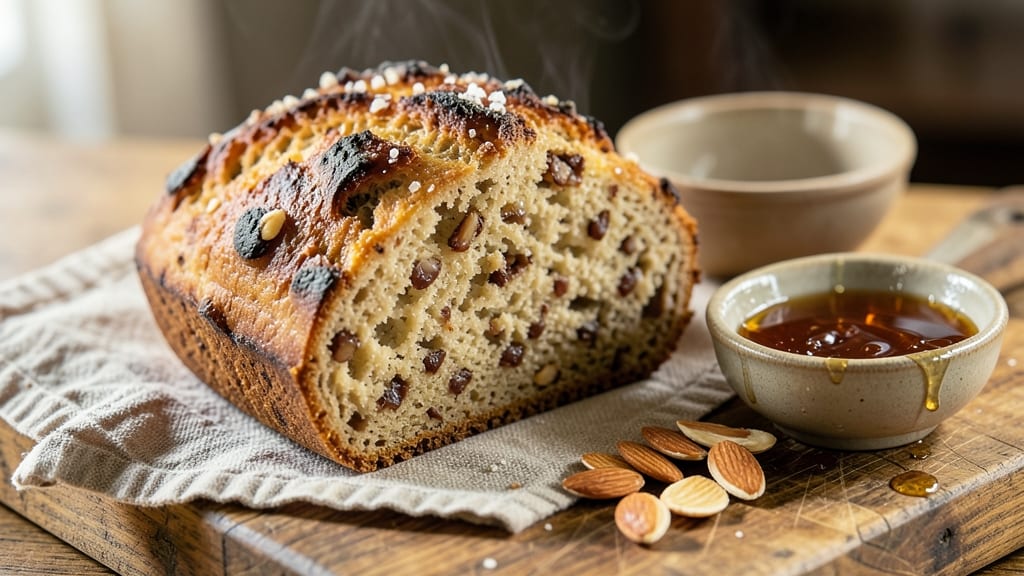
This almond pulp bread recipe transforms food waste into a moist, nutty loaf that rivals artisanal bakery bread—without a single scrap wasted. 🌟 The secret lies in almond pulp, a byproduct of almond milk production, which adds natural sweetness, hydration, and a tender crumb that stays fresh for days.
I developed this recipe after realizing how much almond pulp went unused in my kitchen, and the results are nothing short of game-changing.
The magic happens with a simple yet precise mix of almond pulp, whole wheat flour, and a touch of honey or maple syrup for subtle sweetness. Unlike dense almond flour breads, this version stays light and airy, thanks to a gentle kneading process and proper hydration.
The bread’s nutty aroma fills your kitchen as it bakes, promising a slice that’s both satisfying and packed with plant-based protein.
Perfect for toast, sandwiches, or simply enjoying with butter, this bread’s moist texture makes it a standout—especially when served warm. The recipe is beginner-friendly, with clear steps to ensure a foolproof rise and golden crust.
Whether you’re reducing food waste or craving a wholesome, nutty loaf, this is the recipe that delivers.
For those without almond pulp, substitutions like almond flour or finely ground almonds work, though the texture may vary slightly. The key is balancing hydration to keep the crumb tender. Let’s bake this zero-waste masterpiece!
Ingredients for almond pulp bread
Transform food waste into artisanal-style bread with these carefully balanced ingredients.
| Ingredient | Amount | Notes |
|---|---|---|
| Almond Pulp 🌰 | 1 ½ cups | Fresh from almond milk production |
| Whole Wheat Flour 🌾 | 2 ½ cups | Unbleached preferred for nuttiness |
| All-Purpose Flour 🌾 | ½ cup | For lighter texture balance |
| Maple Syrup 🍁 | ¼ cup | Grade B for robust flavor |
| Active Dry Yeast 🍞 | 1 tbsp | Freshly measured (2.25g) |
| Warm Water 💧 | 1 cup | 110°F for yeast activation |
| Extra-Virgin Olive Oil 🫒 | ¼ cup | For tender crumb structure |
| Apple Cider Vinegar 🍎 | 1 tbsp | Enhances rise and flavor |
| Salt 🧂 | 1 ½ tsp | Diamond Crystal preferred |
| Ground Flaxseed 🌾 | 1 tbsp | Mixed with 3 tbsp water for egg replacement |
| Sesame Seeds 🌿 | 1 tbsp | For crust decoration |
| Poppy Seeds 🌱 | 1 tsp | Optional flavor enhancement |
Almond pulp is the star here—look for fresh pulp from almond milk producers or make your own by blending strained almond milk. The texture should be thick and moist like wet sand; if it's too dry, add a splash of water. For the flours, King Arthur's whole wheat is my go-to for consistent results, but Bob's Red Mill works well too. The yeast is critical: always check the expiration date, and if it's over six months old, toast it lightly in a dry pan to revive it. Warm water is non-negotiable—too hot kills the yeast, too cold prevents activation.
No almond pulp? Substitute with almond flour at 1:1 ratio, though the texture will be denser. Maple syrup can be swapped for agave or honey (though that would make it non-vegan), but Grade B offers the best caramel notes. For the flax egg, chia seeds work too—just double the amount. The vinegar enhances rise and flavor; if you prefer, lemon juice at equal parts works beautifully. For storage, the flours should be kept in airtight containers away from light—Bob's Red Mill keeps for 12 months in the pantry, while whole wheat flour lasts about 6 months.
This bread keeps exceptionally well—5-7 days at room temperature wrapped in a clean kitchen towel, or up to 2 weeks in the fridge for maximum freshness. For longer storage, slice and freeze portions for up to 3 months. To revive, simply toast or warm in a 350°F oven for 5-10 minutes. The seeds on top add crunch; if you prefer a smoother crust, simply omit them. This recipe yields two standard loaves—perfect for gifting or meal prep. The nutty aroma alone makes it worth the effort.
Why You'll Love This Recipe
- No Waste Magic: I swear by this recipe because it turns almond pulp—something most people toss—into something golden and worth keeping. That leftover pulp from almond milk? It’s the secret to a tender crumb and subtle nutty richness you won’t find in regular bread.
- Sweet & Savory Flex: Maple syrup adds a caramel depth that makes this bread ridiculously good on its own, but I love it even more toasted with butter or slathered in almond butter. Honestly, it’s the kind of bread that makes you question why you ever bought store-bought.
- Bulk-Friendly Loaves: Between us, this is my go-to for batch baking. Freeze half the dough for lazy mornings, and the whole wheat flour keeps it hearty enough to feel like a treat—not just another sad sandwich loaf. (Yes, even on a Tuesday night.)
- Budget Booster: Whole wheat flour stretches further than all-purpose, and that almond pulp is basically free if you’re already making homemade almond milk. I’ve made three loaves from one batch of dough, and the yeast rise means no fancy equipment—just a bowl and patience.
Step-by-step instructions for almond pulp bread
Transforming almond pulp into a tender, nutty loaf requires precision timing and gentle handling.
👨🍳 Step 1: Prepare the Flaxseed Egg Substitute
In a small bowl, whisk together the 1 tablespoon ground flaxseed with 3 tablespoons warm water. Let this mixture sit for 5 minutes until it thickens into a gel-like consistency resembling an egg. This flaxseed "egg" will provide the binding and moisture needed for the bread's structure.
The mixture should become translucent and slightly sticky—this indicates proper activation. If it remains too thick after 5 minutes, add 1 teaspoon warm water to reach the right consistency. This step is crucial for maintaining the bread's moisture without adding dairy or eggs.
🍳 Step 2: Activate the Yeast and Combine Wet Ingredients
In a large mixing bowl, combine the 1 cup warm water (about 110°F), 1 tablespoon apple cider vinegar, 0.25 cup maple syrup, and 0.25 cup extra-virgin olive oil. Stir until fully incorporated, then sprinkle the 1 tablespoon active dry yeast over the surface. Let this mixture sit for 5-10 minutes until it begins to foam and bubble actively.
Next, add the flaxseed egg substitute and 1.5 teaspoons salt. Mix gently with a wooden spoon or silicone spatula until the salt dissolves completely. The yeast activation is your signal that the environment is perfect for fermentation—this is where the bread's rise begins.
👨🍳 Step 3: Incorporate Dry Ingredients for a Cohesive Dough
In a separate bowl, whisk together the 2.5 cups whole wheat flour and 0.5 cup all-purpose flour to aerate the flours. Gradually add this flour mixture to your wet ingredients while stirring with a dough whisk or wooden spoon. The goal is to create a shaggy dough that comes together but remains slightly sticky—this is normal and ensures a moist crumb.
Add the 1.5 cups almond pulp to the dough and mix until fully incorporated. The almond pulp will add richness and moisture, but don't overmix—just until no dry spots remain. The dough should be soft and slightly tacky, resembling a thick batter. If it feels too dry, add 1 tablespoon warm water to help it come together.
⏰ Step 4: First Rise and Dough Development
Cover the mixing bowl with a damp kitchen towel or plastic wrap and let the dough rest at room temperature for 1 hour. This initial rise allows the gluten to relax and the flavors to meld. The dough should nearly double in size and develop small bubbles on the surface—this indicates active fermentation.
After the first rise, gently fold the dough over itself 2-3 times to deflate it slightly. This step helps develop the gluten structure without overworking the dough. Return the bowl to the covered position and let it rise for another 30-45 minutes, or until it has risen about 50% from its previous volume. The dough should feel springy when pressed gently with a finger.
🔥 Step 5: Shape, Proof, and Bake for a Perfect Loaf
Preheat your oven to 375°F and line a 9x5-inch loaf pan with parchment paper. Transfer the risen dough to a lightly floured surface and shape it into a rectangular loaf, tapering the ends slightly. Place the shaped dough into the prepared loaf pan, seam-side up.
Cover the loaf pan with a damp towel and let the dough proof for 30-45 minutes until it has risen about 1 inch above the pan. Meanwhile, sprinkle 1 tablespoon sesame seeds and 1 teaspoon poppy seeds evenly over the top of the dough for decoration and added crunch. Bake for 45-50 minutes until the top is deep golden brown and an instant-read thermometer inserted into the center reads 205-210°F.
Remove the bread from the oven and let it cool in the pan for 10 minutes, then transfer to a wire rack to cool completely. The internal temperature will continue to rise slightly as it cools, ensuring a fully baked crumb. Slice when fully cooled for the perfect balance of moisture and texture.
Pro Tips For Making Almond Pulp Bread
- Bloom the Yeast First: Skip mixing yeast directly into dry ingredients—it’s lazy and unreliable. Instead, dissolve the yeast in warm (not hot) water with a pinch of maple syrup first, then let it foam for 5-10 minutes before adding. This guarantees your bread rises properly, especially when whole wheat flour’s density fights against lift.
- Grind Almond Pulp Fine: If your almond pulp is lumpy or coarse, your bread will taste uneven. Pulse it in a food processor until it’s almost flour-like—just fine enough to dissolve into the wet ingredients without grit. (Yes, it’ll make a cloud of dust, but worth it.)
- Don’t Overmix the Dough: Whole wheat flour and almond pulp are stubborn—they’ll toughen up fast if you knead like you’re punishing the dough. Mix just until combined, then let the yeast do the work. Overworking = dense, chewy bread. (Trust me, your arms will thank you too.)
- Proof at Room Temp: Cold proofing slows things down, but this dough needs warmth to rise properly. Place it in a lightly oiled bowl in a spot that’s 75-80°F (like near the oven with the light on) and give it time—at least 1.5 hours, or until it’s doubled. Rushing = flat bread. (Your patience will pay off.)
Wine and beer pairings for this almond pulp bread
Crisp White Wine
Almond pulp bread’s delicate nutty sweetness pairs beautifully with dry white wines that complement its richness without overpowering. I always reach for a Sauvignon Blanc from New Zealand—its bright citrus and herbal notes cut through the bread’s density while enhancing the almond flavor.
Look for bottles labeled "dry" or "crisp" to avoid any residual sweetness that might clash. A chilled glass of Cloudy Bay Sauvignon Blanc from Marlborough is my go-to for a refreshing contrast. 🍷
Light Beer Options
For beer lovers, a wheat beer or pilsner works wonders with this bread. The hoppy bitterness in a German Hefeweizen (like Weihenstephaner) balances the bread’s natural sweetness, while the yeasty notes add a complementary complexity.
Alternatively, a Belgian Witbier—such as Stella Artois—brings a subtle spicy kick from coriander that pairs surprisingly well with the almond’s nuttiness. Serve both beer and wine well-chilled to highlight their crispness against the warm bread.
Sweet Sparkling
If you prefer something effervescent, a dry sparkling wine or prosecco elevates the experience. The bubbles cleanse your palate between bites, while the acidity in La Marca Prosecco enhances the bread’s subtle sweetness.
For a non-alcoholic option, San Pellegrino Aranciata—a blood orange soda—mirrors the citrus notes in Sauvignon Blanc and adds a refreshing twist. The slight bitterness in the orange peel complements the almond’s richness beautifully. ✨
Herbal Tea Pairings
Herbal teas can be just as effective as alcoholic pairings, especially for daytime enjoyment. A chamomile tea with a hint of honey adds a soothing warmth that contrasts the bread’s nutty depth.
For something bolder, Earl Grey—with its bergamot notes—echoes the citrusy undertones in Sauvignon Blanc while adding a floral dimension. Brew a strong cup and let it steep for 3-4 minutes to intensify the flavors. 💛
Coffee Contrast
If you’re serving this bread for breakfast or brunch, a medium-roast coffee with low acidity enhances the almond’s natural sweetness. I recommend a Sumatra mandheling for its earthy, chocolatey notes, which complement the bread’s texture without competing.
For espresso lovers, a ristretto (shorter extraction) keeps the bitterness in check, allowing the bread’s flavors to shine. Pair with a dash of cinnamon on the coffee for an extra layer of warmth that ties into the bread’s spices. ☕
Nutrition facts
Frequently asked questions
What if I can't find almond pulp? Can I substitute it?
Yes! Use almond flour at a 1:1 ratio, though the texture will be slightly denser. For a closer match, blend raw almonds into a fine powder—this mimics the moisture and richness of almond pulp. If you're making your own almond pulp, strain leftover almond milk through a fine-mesh sieve to capture the thick residue.
How do I know when the dough is properly risen?
The dough should nearly double in size during the first rise (1 hour) and feel springy when pressed gently. After folding, it should rise another 50%
Can I make this bread without yeast?
This recipe relies on yeast for its light, airy texture, but you could experiment with a quick bread version using baking soda and vinegar for rise. Replace the yeast with 1.5 teaspoons baking soda + 1 tablespoon vinegar, and reduce the water by 2 tablespoons. The result will be denser but still delicious.
Why did my bread turn out dense instead of light?
Overmixing the dough or skipping the rest periods are common culprits. The dough should be slightly sticky—if it's too dry, add 1 tablespoon water. Also, ensure your yeast is fresh (test it in warm water first) and that your oven is fully preheated. A dark-colored loaf pan can also cause uneven baking.
How can I use up extra almond pulp?
Almond pulp is incredibly versatile! Use it in energy bars, vegan cookies, or even as a thickener for soups. It also makes great almond pulp butter—just blend with oil and salt. Store extra pulp in the fridge for up to 5 days or freeze for 3 months to preserve its moisture.