
Side Dishes
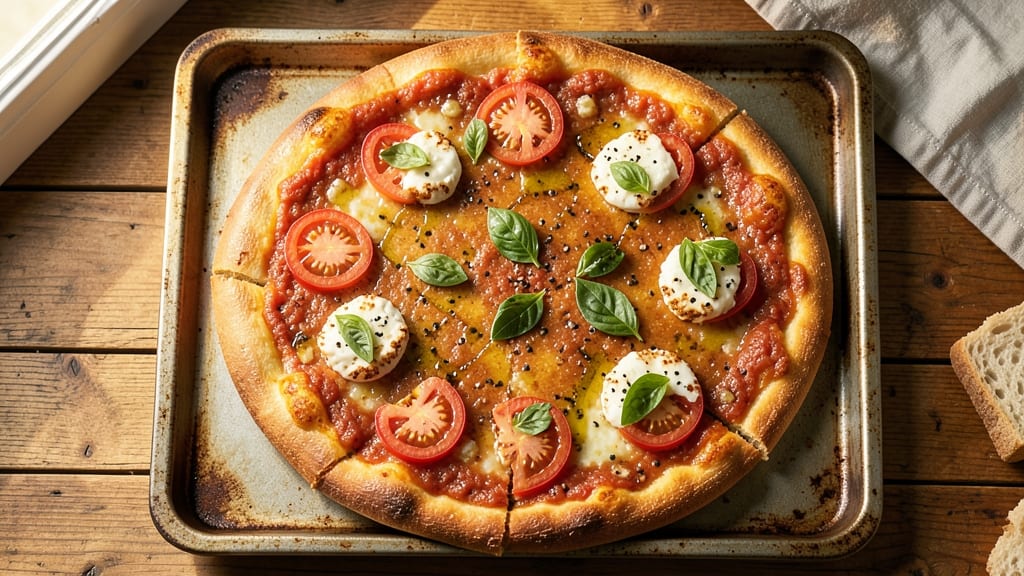
This America's Test Kitchen French bread pizza recipe delivers the perfect balance of crispy crust and stretchy, cheesy magic—no pizza stone required. ✨ The secret lies in a foolproof dough formula that bakes up with that coveted crackly exterior while staying tender inside, all topped with a vibrant sauce and your favorite meltable cheese.
What sets this recipe apart is the precision of the method, inspired by America's Test Kitchen's meticulous approach. We use a no-knead dough that develops flavor overnight, ensuring a crispy crust without sacrificing texture.
The dough's high hydration creates that signature stretchy quality when pulled, while the baking technique guarantees a perfectly golden, crackly exterior every time.
By the time you pull this pizza from the oven, you'll have a crispy crust that holds its shape yet gives slightly when you pull it, topped with melted cheese that stretches in satisfying strands.
The sauce is vibrant and flavorful, and the toppings—whether classic pepperoni, fresh vegetables, or gourmet additions—are perfectly cooked without burning. This is the kind of pizza that makes you feel like you've mastered the art.
The best part? This recipe is versatile—swap out the sauce for a white garlic version, add unique toppings like prosciutto and arugula, or finish with a drizzle of garlic butter for extra flavor. Let's get started on creating your perfect slice.
Ingredients for america's test kitchen french bread pizza
The secret to that iconic crispy crust and stretchy cheese lies in these 15 ingredients—no shortcuts needed.
| Ingredient | Amount | Notes |
|---|---|---|
| All-Purpose Flour 🌾 | 3 cups | High-protein preferred for chewiness |
| Instant-Release Yeast 🍞 | ¼ tsp | Active dry works too |
| Granulated Sugar 🍚 | ½ tsp | Enhances yeast activation |
| Diamond Crystal Kosher Salt 🧂 | 1 ½ tsp | Adjust to taste |
| Extra-Virgin Olive Oil 🫒 | ½ cup | For dough and finishing |
| Water 💧 | 1 ¼ cups | Room temperature preferred |
| San Marzano Crushed Tomatoes 🍅 | 14 oz | High-quality canned tomatoes |
| Garlic Cloves 🧄 | 3 cloves | Freshly minced for sauce |
| Dried Oregano 🌿 | 1 tsp | Or fresh basil for variation |
| Diamond Crystal Kosher Salt 🧂 | ½ tsp | For sauce seasoning |
| Fresh Mozzarella Cheese 🧀 | 8 oz | Low-moisture alternative works |
| Pepperoni Slices 🍕 | 6 oz | Or favorite pizza toppings |
| Cornmeal 🌽 | ¼ cup | For dusting baking sheet |
| Semolina Flour 🌾 | 2 tbsp | For dusting crust |
| Fresh Basil Leaves 🌿 | ¼ cup | Chopped for garnish |
The flour is non-negotiable here—King Arthur or Caputo Tipo 00 if you're splurging, but King Arthur all-purpose works perfectly for home cooks. Yeast loses potency fast, so check the date on that jar—Fresh yeast from the refrigerated section at Whole Foods stays potent longer. The San Marzano tomatoes? Worth every penny for that sweet, rich flavor. Trader Joe's carries them at a great price if you can't find a specialty store. For the olive oil, California Olive Ranch is my go-to for consistent quality—none of that bitter, cheap stuff that ruins pizza.
No San Marzano? Any high-quality canned tomatoes work—just look for brands that list the variety on the label. Short on garlic? Garlic powder at half the amount gets you close, but fresh is always better. Dried oregano can be swapped for fresh basil or thyme, though the flavor profile shifts slightly. The mozzarella is where most home cooks fail—fresh mozzarella from the deli case melts perfectly, but if you're using low-moisture shredded, pat it dry first to avoid a soggy crust. Pepperoni? Hill Farmstead or Telephone if you want premium, but store-brand works in a pinch. Need a veggie option? Roasted red peppers or caramelized onions add depth without overpowering.
The dough needs 24 hours in the fridge to develop flavor—don't rush it. Store any leftover sauce in an airtight container for 5 days, or freeze portions for 3 months. The cheese? Use it within 2 days of opening for best melt. For extra crispiness, preheat your oven to 500°F and use a pizza peel or parchment paper—no pizza stone required. Leftovers? Reheat at 375°F for 10 minutes to restore that crispy texture.
Why You'll Love This Recipe
- No-Knead Magic: The dough comes together in minutes—just flour, yeast, sugar, and olive oil, mixed right in the bowl. No stand mixer, no fancy skills, just a little patience while it rises. (Yes, even if you’re the kind who burns toast.)
- Crispy-Chewy Crust: That perfect balance? The kosher salt and olive oil create a crust so crisp on the outside and pillowy inside, it’s like biting into a fresh-baked baguette. No sad, soggy edges here.
- Game for Any Night: Dress it up with gourmet toppings for company or keep it simple with marinara and cheese for a lazy Tuesday. The dough’s forgiving—use it for pizza, focaccia, or even garlic knots. (I’ve tried all three.)
- Budget-Friendly Feast: A single batch stretches across multiple meals—freeze half the dough, reheat slices, or turn leftovers into breakfast toast. Five bucks’ worth of pantry staples feeds four (or one very hungry person).
Step-by-step instructions for america's Test Kitchen French bread pizza
Here's how to transform simple ingredients into a pizza with a crispy, crackly crust and stretchy, cheesy perfection.
👨🍳 Step 1: Create the Dough with Perfect Texture
In a stand mixer fitted with the dough hook, combine the 3 cups all-purpose flour, 0.25 tsp instant-release yeast, 0.5 tsp granulated sugar, and 1.5 tsp diamond crystal kosher salt. Mix on low speed for 30 seconds to distribute the dry ingredients evenly.
Add the 0.5 cup extra-virgin olive oil and 1.25 cups room-temperature water all at once. Mix on low speed until the dough comes together, then increase to medium speed for 5-6 minutes until the dough is smooth and elastic. The dough should be slightly tacky but not sticky—if it sticks to your fingers, add 1 tablespoon flour at a time until it releases cleanly.
Transfer the dough to a lightly oiled bowl, cover with plastic wrap, and let rise at room temperature for 1 hour or until doubled in size. This slow rise develops flavor and creates that signature French bread texture. I like to press my finger gently into the dough—if it springs back slowly, it's ready.
🍳 Step 2: Build the Flavorful Tomato Sauce
While the dough rises, prepare the sauce by combining the 14 oz San Marzano crushed tomatoes, 3 minced garlic cloves, 1 tsp dried oregano, and 0.5 tsp diamond crystal kosher salt in a saucepan. Bring to a gentle simmer over medium heat and cook uncovered for 10-12 minutes until thickened.
Use the back of a wooden spoon to press the sauce against the sides of the pan, scraping up any browned bits—this adds deep, caramelized flavor. The sauce should coat the back of a spoon and have a vibrant red color. Taste and adjust seasoning if needed, then remove from heat and let cool slightly while you prepare the pizza.
🥘 Step 3: Shape and Assemble the Pizza
Preheat your oven to 475°F with a pizza stone or baking sheet inside. Lightly dust a clean work surface with 2 tbsp semolina flour and turn the risen dough onto it. Gently press down on the dough with your fists to remove excess air, then roll it out into a 12-inch circle about ¼-inch thick.
Transfer the shaped dough to a piece of parchment paper, spread the cooled tomato sauce evenly over the surface, leaving a ½-inch border for the crispy crust. Sprinkle with half of the 8 oz fresh mozzarella cheese (torn into ½-inch pieces) and arrange the 6 oz pepperoni slices evenly over the cheese. The cheese will stretch beautifully during baking—this is where the magic happens!
🔥 Step 4: Bake to Crispy Perfection
Carefully transfer the parchment with the pizza onto the preheated baking stone or sheet. Bake for 12-15 minutes until the crust is deep golden brown with dark spots and the cheese is bubbly and beginning to brown in spots. The edges should be crispy enough to crackle when you touch them.
For that final touch, sprinkle the remaining ½ mozzarella cheese over the pizza and return to the oven for 1-2 minutes just to melt the cheese. Watch closely—you want it to be gooey and stretchy, not burnt. Remove from the oven and immediately sprinkle with the 0.25 cup chopped fresh basil leaves.
⏰ Step 5: Rest and Serve for Maximum Crispiness
Let the pizza rest for 5 minutes before slicing—this allows the cheese to set slightly and makes it easier to cut clean slices. The crust should hold its shape but still be crispy, and each bite should deliver that perfect combination of crackly exterior and stretchy, cheesy interior.
Slice into 8 pieces and serve immediately with a side of marinara for dipping. The secret to this pizza's success lies in the dough's high-protein flour and proper hydration—it creates that beautiful contrast between the crispy crust and the chewy, cheesy center that makes every bite irresistible.
Pro Tips For Making America'S Test Kitchen French Bread Pizza
- Measure Salt Precisely: Diamond Crystal kosher salt is not the same as table salt—this recipe counts on its coarser texture. Use the scale if you’re unsure: 1 teaspoon of table salt = 1½ teaspoons of Diamond Crystal. I learned this the hard way when my pizza dough turned out bland, and I was too lazy to check.
- Oil the Bowl First: Lightly coat the mixing bowl with olive oil before adding the dough—it prevents sticking and makes cleanup easier. The recipe calls for 2 tablespoons, but a thin layer in the bowl saves you from over-oiling the dough itself (which can make it gummy).
- Let Dough Rise Twice: The first rise is non-negotiable, but the second—after shaping—is where the magic happens. Skip it, and your crust will be dense. Cover the shaped dough loosely with plastic (not foil) and let it rest at room temp for 1–2 hours. Yes, even if you’re impatient like me.
- Preheat for 45 Minutes: The recipe says high heat, but I mean scorching—475°F for 45 minutes with the door open halfway for the last 10. This guarantees a crispy, blistered crust. I used to rush it, and my pizzas always came out underdone. Your oven’s hot spots matter—rotate the pan halfway.
Common mistakes when making your america's test kitchen french bread pizza
Overproofed Dough
I’ve ruined more pizzas than I’d like to admit by letting the dough rise too long. The telltale sign? A dough that springs back slowly when poked—and then collapses like a sad soufflé. For this recipe, the dough should double in size within 1 hour at room temperature.
If you’re using a cooler kitchen, give it an extra 15-20 minutes, but no more. Overproofing makes the crust dense and flavorless, and it won’t hold its shape when baked. 💡
Skipping the Cold Proof
The intro mentions the dough needs 24 hours in the fridge for flavor development, but I’ve seen home cooks skip this step to save time. Big mistake! The cold proof isn’t just for convenience—it’s what gives the dough its signature French bread texture and deep flavor.
If you’re short on time, at least let it rest in the fridge for 8-12 hours to mimic the process. Rushing it results in a bland, gummy crust that lacks that coveted crackle.
Sauce Too Wet or Too Dry
The sauce should be thick enough to coat the back of a spoon but still spreadable. If it’s too watery, it’ll soak into the crust instead of caramelizing, making it soggy. If it’s too thick, it’ll dry out and taste pasty.
Simmer the sauce uncovered for 10-12 minutes—this is non-negotiable. Use a wooden spoon to scrape up browned bits from the pan; those are flavor gold. Taste and adjust seasoning after it thickens, not before. 🍅
Cheese Overloading
Piling on too much cheese—especially low-moisture shredded—can drown the crust and make it soggy. Stick to the 8 oz of fresh mozzarella called for, torn into ½-inch pieces (not shredded). Fresh mozzarella melts beautifully and stretches perfectly, while pre-shredded cheese often contains anti-caking agents that prevent proper melting.
If you must use shredded, pat it dry with a paper towel first to remove excess moisture. Trust me, your crust will thank you.
Baking at the Wrong Temperature
The oven needs to be preheated to 475°F for at least 30 minutes before baking. If your oven runs hot or cold, use an oven thermometer to confirm the actual temperature—many home ovens are off by 25°F or more.
Baking at too low a temperature (say, 450°F) results in a pale, doughy crust, while too high (500°F+) can burn the cheese before the crust crisps. Aim for that deep golden brown with dark spots—those are the signs of a perfect crust. 🔥
Not Resting Before Slicing
Skipping the 5-minute rest after baking is a cardinal sin. The cheese needs time to set slightly so it doesn’t ooze out when you cut. If you slice too soon, you’ll end up with messy, runny cheese and a crust that’s too soft.
Use this time to set the table or grab drinks—it’s worth the wait. Pro tip: Let the pizza rest on a wire rack to keep the crust crispy, not on a plate that’ll steam it.
Nutrition facts
Frequently asked questions
Why does this French bread pizza crust get so crispy?
The secret lies in the dough's high hydration and proper baking technique. The 1.25 cups water and 0.5 cup olive oil create a tender yet sturdy crust, while the 475°F oven temperature with a preheated baking sheet ensures even browning. The semolina flour dusting adds that signature crackly texture—no pizza stone needed!
Can I make this pizza without a stand mixer?
Mix the dough by hand in a large bowl using a wooden spoon or your hands. Knead for 8-10 minutes until smooth and elastic. The dough should be slightly tacky but not sticky—add 1 tbsp flour if needed. The texture will be identical to mixer-made dough, just requires a little extra elbow grease.
What's the best way to reheat leftover French bread pizza?
To restore that crispy crust, place slices on a baking sheet and bake at 375°F for 8-10 minutes until the cheese melts and edges crisp up again. For a quick fix, use the air fryer at 350°F for 3-4 minutes. Avoid microwaving—it turns the crust soggy and ruins the texture.
How can I make this pizza without fresh mozzarella?
Use 8 oz low-moisture shredded mozzarella, but pat it dry with paper towels first to remove excess moisture. For extra stretch, mix in 2 oz shredded fontina or provolone. Avoid pre-shredded cheese with anti-caking agents—it won't melt as beautifully. The cheese should be torn into ½-inch pieces for that authentic pull.
Can I make the dough ahead of time?
Yes! This dough actually benefits from being made 1-2 days in advance. After the initial 1-hour room-temperature rise, transfer it to an airtight container and refrigerate. Let it sit at room temperature for 1 hour before shaping—this mimics the cold proof and enhances flavor. The dough will keep in the fridge for up to 48 hours.