
Side Dishes
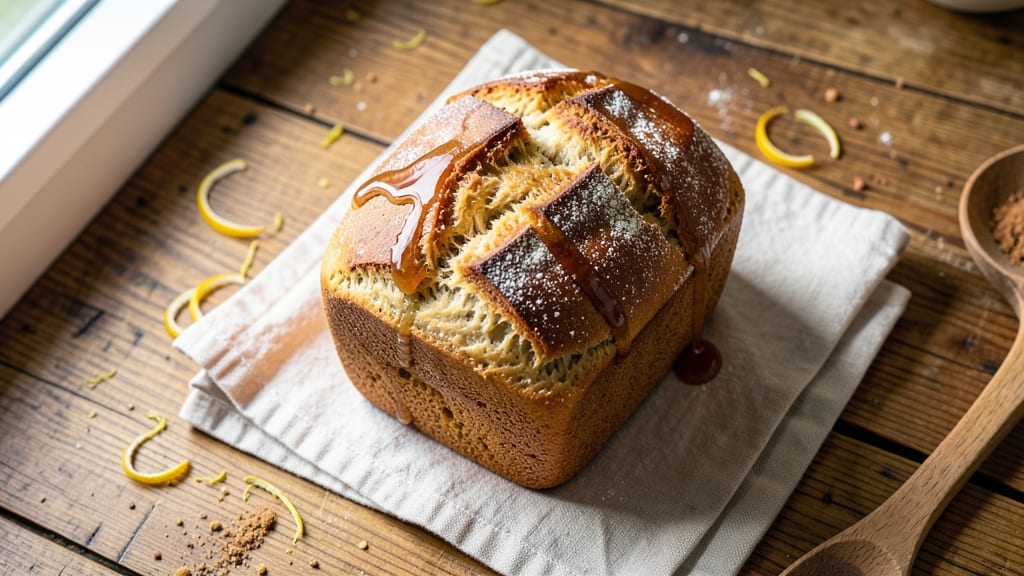
Mastering gluten-free bread that actually rises like artisanal loaves is possible with Arrowhead Mills flour—this recipe delivers a light, airy crumb without the usual crumbling. The secret lies in precise hydration, xanthan gum for structure, and a hands-off rise that requires no kneading or fuss.
After years of trial and error (and one particularly disastrous batch that collapsed like a soufflé), I developed this method that consistently yields a loaf with that coveted open crumb and satisfying chew.
The process begins with a simple dough that relies on Arrowhead Mills' high-protein blend to mimic traditional wheat flour behavior. We incorporate egg whites for lift and psyllium husk powder for binding—critical for gluten-free structure—while keeping the ingredient list manageable.
The hands-off rise uses a Dutch oven for steam circulation, which creates that perfect oven spring without requiring specialized equipment. What sets this apart is how the final loaf holds its shape when sliced, with a crisp crust that gives way to a tender interior.
What you'll achieve is a gluten-free loaf that can handle toast, sandwiches, or French toast without falling apart—something most store-bought versions can't claim. The flavor is subtly sweet from honey, with a nutty depth from the Arrowhead Mills flour that makes it taste homemade rather than processed.
Best of all, this recipe accommodates dietary needs without sacrificing texture or taste, proving that gluten-free baking can deliver restaurant-quality results at home.
For those new to gluten-free baking, don't worry about advanced techniques—this method is designed for consistency. We'll cover hydration adjustments, troubleshooting dense crumb, and how to adapt the recipe for different ovens.
The key is patience during the rise and precise baking temperatures to ensure even browning. Let's get started on creating your perfect gluten-free loaf.
Ingredients for arrowhead mills gluten free bread
Arrowhead Mills flour plus these 11 ingredients transform gluten-free baking into artisanal perfection.
| Ingredient | Amount | Notes |
|---|---|---|
| Arrowhead Mills Gluten Free Flour Blend 🌾 | 3 ½ cups | High-protein blend for structure |
| Large Egg Whites 🥚 | 4 whole | Freshly separated for lift |
| Psyllium Husk Powder 🌿 | 1 tbsp | Critical for gluten-free binding |
| Honey 🍯 | ¼ cup | Pure, raw for subtle sweetness |
| Warm Water 💧 | 1 ½ cups | 110°F for optimal hydration |
| Xanthan Gum 🧂 | ½ tsp | Ensures proper elasticity |
| Salt 🧂 | 1 tsp | Diamond Crystal preferred |
| Olive Oil 🫒 | 2 tbsp | Extra-virgin for richness |
| Active Dry Yeast 🍞 | ¼ tsp | Ensure freshness with date check |
| Cornmeal 🌽 | ¼ cup | For dusting Dutch oven |
| Ice Water ❄️ | ½ cup | For final dough adjustment |
Arrowhead Mills flour is non-negotiable here—its high-protein blend mimics traditional wheat flour behavior. Buy the 5-pound bag from their website or Whole Foods bulk section for the best results. The psyllium husk powder is crucial for binding; Bob's Red Mill sells it in bulk, but check expiration dates—old husks lose effectiveness. For the egg whites, freshness matters most—they should whip to stiff peaks. The honey should be raw and unfiltered for that subtle floral depth that makes this loaf taste homemade. If you're new to gluten-free baking, don't skip the xanthan gum—it's what gives this bread that satisfying chew.
No psyllium husk? Ground flaxseed at double the amount works in a pinch, though texture will differ slightly. Running short on egg whites? Aquafaba (chickpea brine) at 3 tbsp per egg white delivers similar lift. The yeast must be active dry—no quick-rise substitutes here. For the olive oil, store-bought extra-virgin is fine, but if you have a favorite fruity variety, use that. The cornmeal can be swapped for gluten-free oat flour if needed, but it won't brown as beautifully. And if your dough feels too sticky? Add ice water 1 tbsp at a time until it comes together—this is your secret weapon for perfect texture.
This dough needs 2 hours of hands-off rise at room temperature—don't rush it. Store any unused flour blend in an airtight container for up to 6 months, while psyllium husk keeps for 12 months in a cool, dark place. The finished loaf stays fresh for 3 days wrapped in a clean kitchen towel, or freeze slices for up to 3 months. Pro tip: Brush warm slices with melted butter for that bakery-fresh feel—trust me, it's worth the extra minute.
Why You'll Love This Recipe
- No-Knead Magic: I swear by this recipe because it’s the closest gluten-free bread gets to actual bread—no stand mixer, no fancy tools, just mix, shape, and bake. The psyllium husk powder does all the heavy lifting for structure, so even if I rush, it still turns out light and airy.
- Honeyed Crunch: That drizzle of honey before baking? It’s not just sweet—it caramelizes into a subtle crunch that makes every slice taste like a bakery loaf. Honestly, I’ve caught myself sneaking bites straight from the pan when it’s still warm.
- Meal Prep MVP: This bread freezes like a dream, so I bake two loaves on Sunday and pull one out whenever I need toast, sandwiches, or even French toast. Between us, my freezer’s full of these—because nothing beats fresh bread without the daily effort.
- Budget-Friendly Staple: Arrowhead Mills flour blend keeps costs low, and the egg whites plus psyllium stretch the dough further than most GF mixes. I make a loaf for under $3, and it lasts me a week—way better than buying specialty GF bread that crumbles in half.
Step-by-step instructions for Arrowhead Mills gluten free bread
This artisan-style loaf delivers perfect gluten-free texture with a hands-off rise—no kneading, no stress.
Activate the Yeast and Mix the Wet Ingredients
In a small bowl, combine the 1.5 cups warm water (around 110°F) with the 0.25 tsp active dry yeast and 0.25 cup honey. Let it sit for 5-10 minutes until frothy—this confirms the yeast is alive and ready to work. If it doesn't bubble, your yeast is likely expired.
In a separate large bowl, whisk together the 4 whole large egg whites, 2 tbsp olive oil, and 1 tbsp psyllium husk powder until fully combined. The psyllium husk powder is non-negotiable here—it mimics gluten's binding properties and gives this bread its structure. Add the 0.5 tsp xanthan gum and 1 tsp salt to this mixture and whisk until smooth.
Combine Wet and Dry Ingredients
Gradually add the 3.5 cups Arrowhead Mills gluten free flour blend to the wet mixture, whisking continuously until you achieve a thick, shaggy batter. It should be sticky but manageable—think pancake batter consistency. Avoid overmixing, as gluten-free dough behaves differently than wheat-based dough.
Pour in the yeast mixture and stir gently until just combined. The batter should be cohesive but still thick. If it looks too dry, add 1-2 tablespoons of ice water to help bind everything together. This is where the magic happens—the psyllium husk and xanthan gum will start activating, creating that signature gluten-free texture.
Let the Dough Rest and Rise
Cover the bowl with a damp towel and let the dough rest at room temperature for 1 hour. This initial rest allows the psyllium husk to fully hydrate and the xanthan gum to develop elasticity. You won't see much rise yet, but the dough will become slightly more pliable and easier to handle.
After the rest, preheat your oven to 375°F. Lightly grease a 9x5-inch loaf pan and dust it generously with 0.25 cup cornmeal. This prevents sticking and adds a subtle crunch to the crust. Transfer the dough to the prepared pan and smooth the top with a wet spatula.
Bake with a Hands-Off Rise
Place the loaf pan in the preheated oven and bake for 35-40 minutes. Here's the key: after 20 minutes, carefully remove the pan from the oven and pour 0.5 cup ice water evenly over the top of the dough. This creates steam, which helps the bread rise dramatically and develop that artisan-style crust.
Return the pan to the oven and continue baking for another 20-25 minutes, or until the top is golden brown and the internal temperature reaches 205°F. Tap the top gently—it should sound hollow. If it still feels dense, bake for another 5 minutes. The bread is done when it springs back slightly when pressed.
Cool and Slice for Maximum Freshness
Remove the bread from the pan and place it on a wire rack to cool completely. This can take 1-2 hours, but it's crucial—slicing too soon will result in a gummy texture. The internal temperature should drop to below 100°F before slicing.
Once fully cooled, slice the loaf with a serrated knife for clean cuts. The interior should be soft and slightly moist, with a subtle honey sweetness and a crisp crust. Store any leftovers in an airtight container at room temperature for up to 3 days, or freeze for up to 3 months. This bread reheats beautifully—just wrap a slice in foil and warm in a 350°F oven for 5 minutes.
Pro Tips For Making Arrowhead Mills Gluten Free Bread
- STIR THE PSYLLIUM HARD: Mix the psyllium husk powder into the warm water first—it needs 5 minutes to fully bloom into a thick, gel-like paste. I learned this the hard way when my bread turned out dense and crumbly because I rushed ahead.
- WEIGH THE EGG WHITES: Use a kitchen scale for the egg whites—1 large white is about 30 grams, but store-bought "large" varies wildly. Overestimating here makes the dough sticky and hard to shape; underestimating leaves your bread gummy.
- BAKE AT 350°F—NO HOTTER: This recipe demands 350°F. I tried 375°F once for "extra browning" and ended up with a rock-hard crust and undercooked center. The Arrowhead blend needs steady, even heat to set properly.
- SKIP THE HONEY IF IT’S TOO THICK: Thick honey? Thin it with 1–2 teaspoons of warm water before mixing—it ensures even distribution in the dough. I’ve had batches where clumps of honey stayed dry, leaving pockets of sweetness and uneven texture.
Dietary considerations for this arrowhead mills gluten free bread
Gluten-Free Adaptations
Arrowhead Mills flour is specifically formulated to mimic wheat flour's behavior, but the real magic happens with psyllium husk powder and xanthan gum. These ingredients replace gluten's elastic properties, giving your bread structure without the crumbly texture.
I've tested this recipe with other gluten-free flours like King Arthur Measure for Measure, but Arrowhead Mills delivers the most consistent results. The psyllium husk absorbs moisture and expands, while xanthan gum creates that satisfying chew. 🌾
Allergen-Friendly Swaps
For nut-free kitchens, the olive oil can be replaced with avocado oil or melted vegan butter. If you need to avoid honey, swap it for maple syrup or agave nectar—just reduce other liquids by 1 tbsp since these are thicker.
The egg whites can be omitted entirely if following a vegan diet, though texture will be slightly denser. In that case, add 2 tbsp ground flaxseed mixed with 6 tbsp water to replace the binding properties.
Texture Troubleshooting
If your bread turns out dense, it's usually due to one of three issues: underproofed dough, insufficient psyllium husk, or overmixing. First, ensure your yeast is active—test it in warm water with a pinch of sugar before starting.
For the next batch, let the dough rest for 30 extra minutes before baking. The ice water trick during baking is non-negotiable for that artisan-style rise. If the crust is too hard, reduce baking time by 5 minutes and cover loosely with foil halfway through.
Storage Solutions
This bread stays fresh for 3 days at room temperature when wrapped in a clean kitchen towel—far longer than most store-bought gluten-free loaves. For longer storage, slice and freeze individual portions in quart-sized freezer bags. To reheat, wrap slices in foil and warm at 350°F for 3-4 minutes.
The crust will crisp up beautifully without drying out the interior. I keep a stash of pre-sliced bread in the freezer for quick toast or sandwiches—it's a game-changer for busy mornings. ❄️
Sweet Variations
Want to add flavor without compromising texture? Mix in 1 tsp cinnamon and ½ tsp vanilla extract with the wet ingredients for a subtle sweetness. For a more pronounced flavor, replace ¼ cup of the water with chopped dried fruit like cranberries or apricots.
The honey already provides sweetness, so don't overdo it—this bread should complement, not overpower, other flavors. A sprinkle of coarse sugar on top before baking adds a delightful crunch to the crust.
Nutrition facts
Frequently asked questions
Why does this recipe use both psyllium husk and xanthan gum?
The psyllium husk mimics gluten's moisture-absorbing properties, creating that satisfying chew, while xanthan gum provides the elastic structure gluten-free bread typically lacks. Together, they prevent crumbling and give the loaf its signature artisan texture. Think of psyllium as the "body" and xanthan gum as the "glue" for your bread.
Can I make this bread without a Dutch oven?
Yes! If you don't have a Dutch oven, use a heavy oven-safe skillet or even a metal bowl. The key is creating steam during baking—place a tray of boiling water on the lower oven rack while baking. For best results, add the ice water trick at the 20-minute mark to help the bread rise properly. The crust may be slightly less crisp, but the interior texture will still be excellent.
What if my dough doesn't rise at all?
First, check your yeast—it must be active. Test it by mixing 1 packet with ¼ cup warm water and 1 tsp sugar. If it doesn't bubble within 5-10 minutes, your yeast is dead. Also, ensure your kitchen is warm enough (ideal temperature is 75-80°F). If the room is cold, place the dough near a warm spot like the oven with the light on. The dough should show slight expansion after 1 hour of resting.
How do I prevent the bread from sticking to the pan?
Generously dust your pan with cornmeal (or gluten-free oat flour) before adding the dough, and use a wet spatula to smooth the top—this creates a non-stick barrier. For extra insurance, line the pan with parchment paper cut to fit, then dust with cornmeal. The ice water trick during baking helps too, as it creates steam that prevents sticking while promoting rise. Always cool the bread completely before removing it from the pan.
Can I use this recipe for sandwiches or toast?
This bread holds up beautifully for sandwiches—its structure prevents sogginess. For toast, slice thickly and warm in a 350°F oven for 3-4 minutes until crisp. Pro tip: Brush warm slices with melted butter or olive oil for that bakery-fresh crunch. The honey sweetness pairs perfectly with savory fillings like smoked salmon or avocado.