
Side Dishes
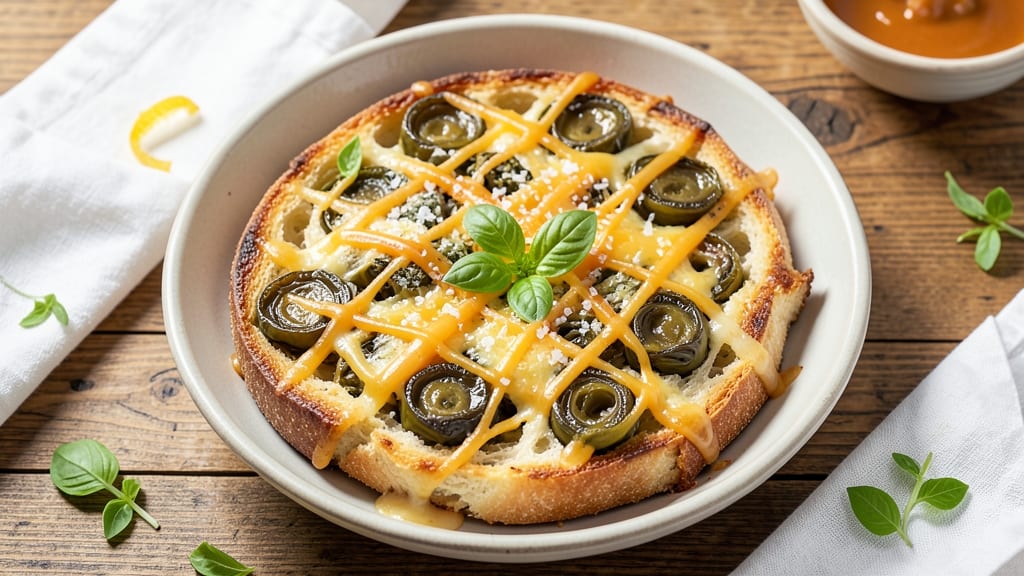
This artichoke cheese bread recipe transforms humble ingredients into a golden, herby loaf with a tender interior packed with briny artichokes and melted cheese. The secret lies in a simple yeast dough that develops a crisp crust while encasing that savory, melty filling—perfect for elevating any meal.
I've perfected this technique over years of baking, ensuring every slice delivers that perfect balance of texture and flavor.
The dough comes together in just 15 minutes with basic pantry staples, while the artichoke-herb filling adds depth without complicating the process. What makes this recipe special is how the cheese pulls and stretches when sliced, creating those signature cheese strings that make it impossible to resist.
The artichokes add a subtle brininess that cuts through the richness of the cheese, creating a harmonious bite in every mouthful.
By the time it emerges from the oven, you'll have a loaf with a golden, crackly crust that gives way to soft, pillowy bread filled with gooey cheese and tender artichokes.
This bread is versatile enough to serve as an appetizer, side dish, or even a main course when paired with a fresh salad. The aroma alone will have everyone asking for seconds.
Serve warm with marinara sauce for dipping or alongside your favorite soup for a comforting meal. The recipe scales beautifully, so you can easily double it for gatherings. Let's get started on this crowd-pleasing classic!
Ingredients for artichoke cheese bread
Basic pantry staples meet artichoke-herb filling for this golden, pull-apart cheese bread.
| Ingredient | Amount | Notes |
|---|---|---|
| Active Dry Yeast 🍞 | 2 ¼ tsp | One packet for convenience |
| Warm Water 💧 | ¼ cup | 110°F for optimal activation |
| All-Purpose Flour 🌾 | 3 ½ cups | King Arthur preferred |
| Granulated Sugar 🍚 | 1 tbsp | For yeast activation |
| Unsalted Butter 🧈 | ½ cup | Cold, cubed for dough |
| Whole Milk 🥛 | ½ cup | Full-fat for richness |
| Large Egg 🥚 | 1 whole | Room temperature |
| Kosher Salt 🧂 | 1 ½ tsp | Diamond Crystal preferred |
| Marinated Artichoke Hearts 🍃 | 1 cup | Chopped, drained well |
| Shredded Mozzarella Cheese 🧀 | 1 ½ cups | Part-skim for balance |
| Fresh Parsley 🌿 | ¼ cup | Chopped, for herb filling |
| Garlic Cloves 🧄 | 2 cloves | Minced for filling |
| Extra-Virgin Olive Oil 🫒 | 1 tbsp | For dough and filling |
| Dried Oregano 🍃 | ½ tsp | For filling seasoning |
The dough starts with King Arthur flour—it's my go-to for bread baking because it develops a better structure. For the yeast, Bob's Red Mill active dry yeast is reliable, but any brand works if it's fresh (check expiration dates!). The butter should be cold when you mix it in—this creates flaky layers later. If you're using whole milk, make sure it's room temperature so it incorporates smoothly into the dough. The artichoke hearts are the star of the filling, so look for high-quality marinated ones in the refrigerated section—not the canned kind with added preservatives.
No fresh parsley? Dried oregano at half the amount works in a pinch, though it won't have the same bright flavor. The mozzarella can be pre-shredded, but freshly shredded melts better. If you're short on time, low-moisture mozzarella from a block is worth the extra minute. For the garlic, if you don't have fresh, garlic powder at one-third the amount will do. The olive oil matters here—use something fruity and peppery, not the cheap cooking oil. And if you're making this ahead, freeze the formed loaf before baking—it keeps for up to 3 months.
This dough needs 1 hour to rise—don't rush it. The filling can be prepped while the dough rests, saving time. Once baked, let it cool for 10 minutes before slicing to prevent a gummy crust. Store leftovers wrapped in foil at room temperature for 2 days or freeze for 3 months. I always make an extra loaf—it reheats beautifully in the oven for 5 minutes at 350°F.
Why You'll Love This Recipe
- No-Knead Magic: I swear by this dough—just toss in yeast, warm water, and flour, let it rise while you sip coffee. No rolling, no fuss, just hands-off simplicity that still delivers that perfect chewy crust.
- Cheese Pulls First: That melted artichoke dip mixed into the dough? Chef’s kiss. Every bite cracks open with gooey, tangy goodness—like a hug from a brie and a garlic toast had a baby.
- Weeknight Wonder: Cold slices reheat in seconds, or toss them straight into a lunchbox. Honestly, I’ve served this at book club, game day, and even my mom’s birthday—zero judgment, all love.
- Budget-Friendly Stretch: Butter and flour make this a steal, and the dough stretches far. Double the batch, freeze half—next time you’re craving carbs, you’ve got a ready-made hero without breaking the bank.
Step-by-step instructions for artichoke cheese bread
This method delivers a perfectly balanced loaf with crispy golden crust and herby artichoke filling.
Activate the Yeast and Prepare the Dough Base
In a small bowl, combine the 2.25 tsp active dry yeast with the 0.25 cup warm water (about 110°F) and 1 tbsp granulated sugar. Let this sit for 5-7 minutes until it becomes frothy and bubbly—this confirms the yeast is active. If it doesn't bubble, your yeast may be dead and you'll need to start over.
In a large mixing bowl, whisk together the 3.5 cups all-purpose flour and 1.5 tsp kosher salt. Make a well in the center and pour in the yeast mixture, the 0.5 cup whole milk, 1 whole large egg, and 0.5 cup cold cubed unsalted butter. Mix with a wooden spoon until a shaggy dough forms, then turn it out onto a lightly floured surface and knead for 8-10 minutes until smooth and elastic.
Create the Artichoke Herb Filling
While the dough rests, prepare the filling by combining the 1 cup chopped marinated artichoke hearts, 1.5 cups shredded mozzarella cheese, 0.25 cup chopped fresh parsley, 2 cloves minced garlic, 0.5 tsp dried oregano, and 1 tbsp extra-virgin olive oil in a small bowl. Mix well and set aside—this will become the flavorful center of your bread.
For the dough to develop properly, place it in a lightly oiled bowl, cover with a damp towel, and let it rise in a warm place for 1 hour or until it has doubled in size. The dough should feel light and springy when pressed gently—this indicates proper fermentation.
Shape and Assemble the Bread
Punch down the risen dough to release air, then divide it into two equal portions. Roll each portion into a 12-inch circle about ¼-inch thick on a floured surface. Spread half of the artichoke herb filling evenly over one circle, leaving a 1-inch border uncovered. Top with the second dough circle and seal the edges by pinching them together.
Transfer the assembled loaf to a parchment-lined baking sheet and let it rise again for 30-45 minutes until puffy. Preheat your oven to 375°F during this time—this ensures the bread goes in hot and develops a perfect crust.
Bake to Golden Perfection
Bake the bread for 25-30 minutes until the crust is deep golden brown and the internal temperature reaches 190°F. The bread should sound hollow when tapped on the bottom. If the top browns too quickly, tent loosely with foil after 15 minutes to prevent over-browning.
Remove from the oven and let cool for 10 minutes before slicing. The filling should be warm and gooey, with crispy edges on the crust. Serve warm with your favorite dipping sauce or enjoy as-is—each bite delivers a perfect balance of herby artichoke filling and flaky crust.
Pro Tips For Making Artichoke Cheese Bread
- TEST THE YEAST FIRST: Skip straight to mixing and you might end up with flat, sad bread. Dissolve the yeast in warm water with a pinch of sugar first—if it doesn’t foam within 5-10 minutes (yes, even if you’re impatient like me), your yeast is dead. Toss it and start fresh. Trust me, this saves you from a gummy loaf later.
- MELT BUTTER FULLY: Cold butter dots in your dough will create pockets that don’t bake evenly, leaving you with a bread that’s greasy in spots and dry in others. Melt the butter completely, then cool it to room temperature before mixing—just press a finger in and if it leaves a slight indent, it’s ready. No guessing.
- DON’T OVERKNEAD THE DOUGH: I learned this the hard way—after 15 minutes of punishing the dough, I ended up with a tough, chewy loaf instead of the light, airy texture we want. Knead just until the dough pulls away from the bowl (about 8-10 minutes by hand). Overworking it kills the gluten for this recipe, and nobody wants a bread that fights back.
- USE ROOM-TEMP CHEESE: Cold cheese chunks won’t melt smoothly, leaving you with a bread that’s more "artichoke and cheese salad" than a gooey, cohesive loaf. Take your cheese out of the fridge 30 minutes before mixing—it doesn’t take long, and the difference in texture is night and day. (Your future self will thank you.)
Dietary considerations for artichoke cheese bread
Gluten-Free Adaptations
For a gluten-free version, swap the all-purpose flour for a 1:1 gluten-free baking blend like King Arthur Measure for Measure. Add 1 tsp xanthan gum to help bind the dough—this is crucial for structure. Reduce the milk to ¼ cup since gluten-free doughs absorb less liquid.
Let the dough rise for 30 minutes (gluten-free doughs ferment faster). The texture will be denser but still delicious with that gooey artichoke center. 🥖
Dairy-Free Options
Replace the mozzarella with vegan mozzarella shreds from brands like Miyoko's or Violife. Use unsweetened almond milk instead of whole milk for the dough, and add 1 tbsp olive oil to compensate for fat.
The artichoke filling stays the same, but the crust will have a slightly lighter texture. Trust me, it still pulls beautifully when sliced! 🌱
Lower-Carb Modifications
Cut carbs by replacing 1 cup of flour with almond flour (the dough will be crumbly, so add 1 extra tbsp olive oil). Use 2 tbsp nutritional yeast instead of granulated sugar for yeast activation.
For the filling, keep the artichokes and cheese but reduce the mozzarella to 1 cup to cut calories. This version is perfect for keto-friendly meals while keeping that rich, cheesy flavor. 💪
Nut-Free Considerations
If nut allergies are a concern, stick with the original recipe but ensure your mozzarella is nut-free certified (check labels—some brands process cheese in facilities with nuts). For the dough, use a sunflower seed flour blend if avoiding almond flour.
Always verify all ingredients for cross-contamination warnings. The artichoke filling remains safe as long as you're using store-bought marinated hearts without nut additives. 🚫🌰
Vegan-Friendly Swaps
Turn this into a fully vegan treat by using nutritional yeast instead of eggs (add 1 tbsp to the dough) and vegan butter (like Earth Balance).
For the filling, swap mozzarella for cashew cheese (soak ½ cup cashews in water, blend with ¼ cup water, 1 tbsp lemon juice, and ½ tsp salt). The texture will be slightly different but still packed with flavor! 🌿
Nutrition facts
Frequently asked questions
Can I make this artichoke cheese bread without yeast?
Yes! For a quick version, replace the yeast with 1 tsp baking powder and 1 tsp baking soda in the dough. Skip the rising time and bake immediately at 375°F for 20-25 minutes. The texture will be denser but still delicious with that gooey artichoke filling.
How do I prevent the cheese from leaking out when slicing?
Let the bread cool completely before slicing to firm up the cheese slightly. For extra stability, chill the baked loaf in the fridge for 30 minutes before slicing. Also, avoid overfilling—leave that 1-inch border of dough uncovered to contain the cheese.
What's the best way to reheat leftover slices?
Wrap slices in foil and warm at 350°F for 3-5 minutes to restore that crispy crust. For microwave reheating, use 10-second bursts on low power to avoid drying out the cheese. The oven method preserves texture better.
Can I use jarred artichoke hearts instead of marinated ones?
Jarred artichoke hearts work, but they're often saltier and less flavorful. If using them, rinse thoroughly and drain well. For better taste, marinate them yourself in ¼ cup olive oil, 1 tbsp lemon juice, and ½ tsp garlic powder for 30 minutes before using.
Why did my bread turn out dense instead of fluffy?
Dense bread usually means the yeast didn't activate properly (check water temperature: 110°F) or the dough didn't rise long enough. Make sure your yeast is fresh and give the dough 1 full hour to rise in a warm spot. Also, avoid over-kneading which can develop too much gluten.