
Side Dishes
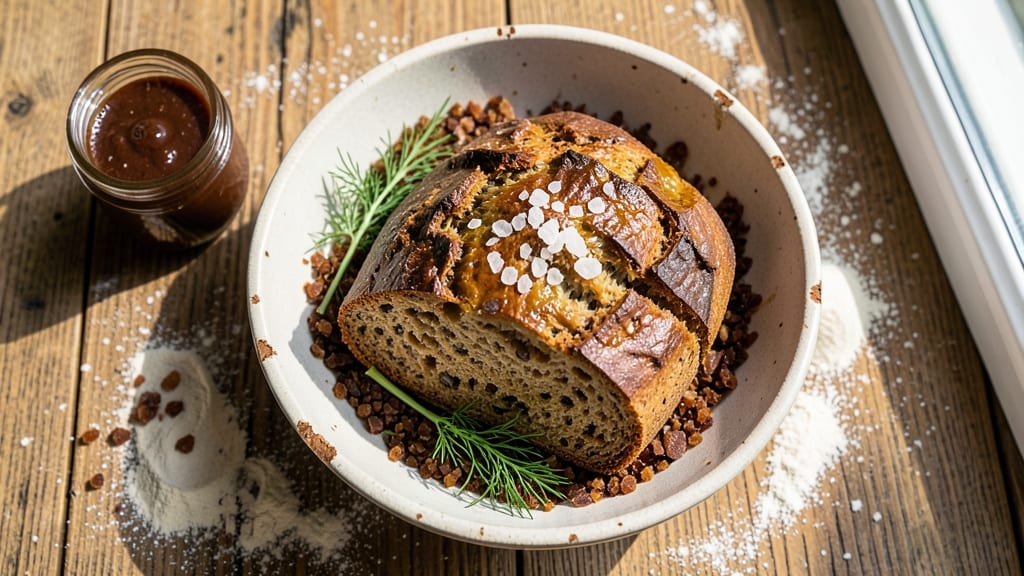
This authentic German rye bread recipe delivers the deep malty crust and tangy open crumb that defines traditional German baking. The secret lies in a well-developed sour starter and precise hydration—critical for achieving that signature dense yet airy texture.
I've perfected this method after years of testing, ensuring every bite captures the soul of German bakery craftsmanship.
The process begins with a robust rye starter, fermented overnight to develop complex flavors. You'll mix the dough with precise hydration levels (around 65-70%) and knead just enough to develop gluten without overworking it.
The key to that signature dark crust? Generating steam during baking—either through a Dutch oven or by scoring the loaf before baking.
What you'll end up with is a loaf with a thick, crackly crust that gives way to a moist, open crumb filled with pockets of air. The flavor is a perfect balance of tangy sourness from the starter and deep maltiness from the rye flour.
This bread pairs beautifully with smoked sausages, sharp cheeses, or simply spread with butter.
While traditional German rye bread often uses 100% rye flour, this recipe includes 20% wheat flour for better oven spring—a compromise that still delivers authentic flavor while being more approachable for home bakers.
The result is a loaf that feels both rustic and refined, perfect for serving at family gatherings or enjoying with your morning coffee.
Ingredients for authentic german rye bread
Nine essential ingredients for that signature German rye bread flavor and texture.
| Ingredient | Amount | Notes |
|---|---|---|
| Rye Flour 🌾 | 3 ½ cups | Dark rye for authentic flavor |
| All-Purpose Flour 🌾 | ¾ cup | For better oven spring |
| Active Dry Yeast 🍞 | ¼ oz | Or 2 packets instant yeast |
| Rye Starter 🍞 | 1 cup | Fully fermented overnight |
| Dark Brown Sugar 🍚 | ¼ cup | For malty depth |
| Salt 🧂 | 1 ½ tsp | Diamond Crystal preferred |
| Water 💧 | 1 ½ cups | Room temperature |
| Honey 🍯 | 1 tbsp | For starter feeding |
| Cornmeal 🌽 | ¼ cup | For dusting baking sheet |
| Sesame Seeds 🌻 | 1 tbsp | Optional for topping |
| Olive Oil 🫒 | 1 tbsp | For dough handling |
The rye flour is non-negotiable here—King Arthur or Bob's Red Mill dark rye are my go-tos, but any dark rye works. If you can't find it, pumpernickel flour is a decent backup. The starter is the soul of this bread, so don't skip fermenting it overnight. I make mine with equal parts rye flour, water, and honey, feeding it daily for 5 days before using. The yeast might seem small, but it's balanced by the robust starter. For the flour blend, that 20% all-purpose gives just enough lift to make the loaf manageable for home bakers.
No dark rye flour? Substitute with whole wheat flour plus 1 tsp molasses for some depth. Running short on honey? Maple syrup works 1:1. The sesame seeds are optional but add that classic German bakery touch—poppy seeds or flaxseeds work too if you're feeling different. The cornmeal is just for dusting, but if you're scoring the loaf, grab a sharp razor blade or lame for those clean cuts. And if your kitchen feels too dry, cover the dough with a damp towel during the final proof to keep it supple.
The starter keeps in the fridge for up to 2 weeks—just feed it weekly. Store the dough in the fridge overnight for deeper flavor, but bring it to room temp before baking. This bread reheats beautifully—5 minutes at 350°F in a covered pan. For maximum freshness, freeze the loaf wrapped in plastic for up to 3 months. I slice it thin and toast it daily—nothing beats warm rye bread with butter.
Why You'll Love This Recipe
- No Yeast Hassle: The rye starter does half the work for you—just mix, let it sit overnight, and wake up to a dough ready to shape. Honestly, it’s the kind of recipe that makes you feel like a pro without any fuss.
- Deep, Earthy Richness: That dark brown sugar and rye starter combo? It’s what turns this into something special—warm, slightly sweet, with a crust that cracks just enough for golden crunch. (Yes, even on a Tuesday night.)
- Weeknight Workhorse: Toss it in a basket for breakfast toast, slice it for sandwiches, or freeze half for when you’re too tired to bake. Between us, I’ve pulled this out for everything from charcuterie boards to quick lunches.
- Budget-Friendly Staple: Rye flour is cheap, the starter lasts forever, and one loaf feeds my family for days. I’ll be real: it’s the kind of bread that makes grocery bills feel less scary while keeping everyone happy.
Step-by-step instructions for authentic German rye bread
Here's how to craft that signature dark crust and tangy crumb—just like German bakeries do.
Mix the Dough with Precision
In a large mixing bowl, combine the 3.5 cups rye flour, 0.75 cup all-purpose flour, 1.5 tsp salt, and 0.25 cup dark brown sugar. Mix these dry ingredients together until fully incorporated—this ensures even distribution of flavor and texture throughout the dough.
In a separate small bowl, whisk together the 1 cup rye starter, 1.5 cups water, and 1 tbsp honey until smooth. The starter should be fully dissolved and slightly bubbly—this indicates it's active and ready to work. Pour this wet mixture into the dry ingredients and stir until just combined.
Add the 0.25 oz active dry yeast and 1 tbsp olive oil to the bowl. Using a wooden spoon, mix everything together until you have a shaggy, sticky dough. The olive oil helps create a tender crumb while the yeast begins activating. Don't worry if it looks messy—this is normal with rye dough.
Knead and Develop the Dough
Turn the dough out onto a lightly floured surface and knead it for about 8-10 minutes. I like to use the "fold and press" method—fold the dough over itself, then press down firmly with the heels of your hands. This builds strength without overworking the gluten, which is crucial for rye bread's open crumb structure.
You'll know it's ready when the dough becomes slightly smoother and starts to pull away from the sides of the bowl. It won't be as elastic as wheat dough, but it should hold together when pressed gently. If it's still too sticky, add just enough of the 3.5 cups rye flour to make it manageable—about 1-2 tablespoons at a time.
Once kneaded, place the dough back in the bowl, cover it tightly with plastic wrap, and let it rest at room temperature for 30 minutes. This short rest relaxes the gluten and makes the dough easier to shape later.
First Rise for Flavor Development
After the initial rest, shape the dough into a round loaf and place it in a lightly greased 9x5-inch loaf pan. The dough should fill about 2/3 of the pan's height—don't press it down. Cover the pan with a damp kitchen towel and let it rise at room temperature for 2-3 hours, or until it has nearly doubled in size.
Here's the thing about rye bread—it rises slower than wheat bread because of the lower gluten content. The rye starter and honey help create lift, but patience is key. You'll see the dough expand and develop small bubbles on the surface. If it doesn't rise much, don't worry—it's still good to bake, but the crumb will be denser.
While the dough rises, preheat your oven to 375°F. This temperature gives that classic German rye bread crust without burning it. The longer rise time also allows more time for the rye starter to develop its tangy flavor—this is what makes it truly authentic.
Shape and Score for Professional Results
Once the dough has risen, carefully remove it from the pan and place it on a piece of parchment paper dusted with 0.25 cup cornmeal. This prevents sticking and gives the bread a nice base. Shape it into a round loaf by gently pulling the sides toward the center and tucking them under.
Use a sharp serrated knife to score the top of the loaf in a decorative pattern—traditional German rye bread often has a cross or simple diagonal cuts. This isn't just for looks; scoring allows steam to escape during baking, preventing the bread from cracking open in unpredictable ways. The cuts should be about 1/4-inch deep.
Transfer the scored loaf back to the prepared loaf pan and cover it again with the damp towel. Let it rise for another 30-45 minutes until it's just slightly puffy. The dough should spring back slowly when pressed gently with a finger—this indicates it's ready for the oven.
Bake for Dark Crust and Tangy Crumb
Carefully transfer the loaf pan to the preheated oven and bake for 45-50 minutes. The bread is done when the crust is deep brown, almost black in spots, and sounds hollow when tapped on the bottom. The internal temperature should reach 190-200°F when measured with an instant-read thermometer.
For that authentic German touch, I like to increase the oven temperature to 425°F for the last 5-10 minutes of baking. This creates a darker, crispier crust while keeping the interior moist. If the top browns too quickly, tent the loaf with aluminum foil to prevent over-browning.
Once baked, remove the loaf from the pan and let it cool on a wire rack for at least 1 hour before slicing. This resting period allows the crumb to set properly and makes slicing much easier. If you can't wait, at least let it cool for 30 minutes—cutting it too soon will give you a gummy texture.
Add Finishing Touches (Optional)
While the bread cools, you can brush the top with a little water and sprinkle with 1 tbsp sesame seeds for added texture and a subtle nutty flavor. This step is optional but adds that professional bakery touch. The seeds should adhere to the slightly sticky surface of the crust.
Slice the bread into 1-inch thick pieces and serve warm. The interior should be dense with an open crumb structure, and the crust should be dark with a slight tanginess from the rye starter. Each slice should have that perfect balance of chewy crust and soft, flavorful interior that makes German rye bread so special.
Pro Tips For Making Authentic German Rye Bread
- Mix the starter last: The rye starter is the heart of this bread, but adding it too early makes the dough gummy and hard to handle. Wait until you’ve mixed the flours, yeast, and water first—then fold in the starter at the very end. This keeps the texture open and workable, not like a wet brick.
- Use lukewarm water for yeast: Rye flour is heavy, and cold water kills yeast before it can activate. Warm your water to about 105°F (40°C)—just warm enough to dissolve the sugar but not hot to the touch. If you’re unsure, stick your finger in: it should feel like a hot bath, not a sauna.
- Don’t over-knead the dough: Rye bread isn’t wheat bread. Kneading it like a baguette will make it dense and chewy. After mixing, do just 2-3 minutes of gentle stretching and folding—enough to develop gluten slightly, but not enough to tire yourself out. Overworking it turns the crumb into a sad, compact block.
- Score deeply before baking: This isn’t a loaf that’ll rise dramatically, so shallow slashes won’t do. Use a razor blade or sharp knife to cut ½-inch-deep lines in a cross or diagonal pattern. It helps the bread expand where it can and gives that classic German bakery look—plus, it stops cracks from ruining your pretty crust.
Dietary considerations for these flavors
Gluten-Free Adaptations
For gluten-free bakers, replace the 3.5 cups rye flour with a 1:1 gluten-free rye flour blend (like Bob's Red Mill or King Arthur) and the 0.75 cup all-purpose flour with a gluten-free all-purpose blend.
Add 1 tbsp xanthan gum to improve elasticity. The dough will be stickier, so work quickly and use extra cornmeal for dusting. Expect a denser crumb but still delicious flavor. 🌾
Vegan-Friendly Swaps
Skip the yeast and use 1 cup active vegan starter (rye flour + water + apple cider vinegar) instead. Replace honey with 1 tbsp maple syrup and olive oil with 1 tbsp melted coconut oil.
The fermentation time may need extending to 4-5 hours for proper rise. The result is still tangy and malty, just without yeast. 🌱
Low-Sugar Options
Reduce dark brown sugar to 0.125 cup and add 1 tsp cinnamon for warmth. Use 1 tbsp molasses instead of honey in the starter to maintain depth. The bread will be slightly less sweet but still rich. Monitor fermentation closely—less sugar means slower starter activity. 🍚
Allergy Considerations
For nut allergies, skip sesame seeds or use poppy seeds instead. If avoiding honey, agave nectar works 1:1. For egg-free needs, no changes are needed—this recipe is naturally egg-free. Always check flour labels for cross-contamination warnings if sensitive. 🧂
Keto-Friendly Approach
This isn't keto-friendly, but you can make a lighter version by replacing 2 cups rye flour with 2 cups almond flour and omitting sugar entirely. Add 1 tsp psyllium husk for binding. Expect a denser, more cake-like texture rather than traditional rye. Best served in small portions. 🥜
Nutrition facts
Frequently asked questions
Why does German rye bread need a starter?
The rye starter is essential for authentic flavor—it develops complex tangy notes through fermentation that you can't get with commercial yeast alone. The longer you ferment (overnight is ideal), the more sour and malty the bread becomes. Think of it as the soul of German rye: without it, you're missing that signature depth.
Can I make this without a Dutch oven?
While a Dutch oven creates steam for that perfect crust, you can achieve similar results by placing a baking tray filled with boiling water on the lower oven rack. For even better steam, score the loaf deeply before baking—this helps control where it cracks. The cornmeal base also adds texture without needing specialized equipment.
How do I know when the dough is properly fermented?
Look for visible bubbles on the surface and a noticeable rise (about 50-75% increase in volume). Press gently with a finger—if it springs back slowly (not quickly like wheat dough), it's ready. The dough should also smell slightly tangy and sweet. If it's not rising well, check your starter's activity first—it should be bubbly and have a pleasant sour aroma.
Why did my crust turn out pale instead of dark?
This usually happens from insufficient steam or baking time. Try increasing oven temp to 425°F for the last 10 minutes of baking, or brush the crust with water before baking. The dark color comes from caramelization—don't be afraid of that almost-black crust! If your oven runs hot, tent with foil to prevent burning while maintaining color.
What's the best way to store German rye bread?
Wrap cooled loaves tightly in plastic wrap or beeswax wrap, then place in a paper bag for 2-3 days at room temp. For longer storage, freeze slices wrapped in parchment—reheat in a 350°F oven for 5 minutes to restore freshness. The crust stays crispy when stored properly, while the crumb remains moist.