
Side Dishes
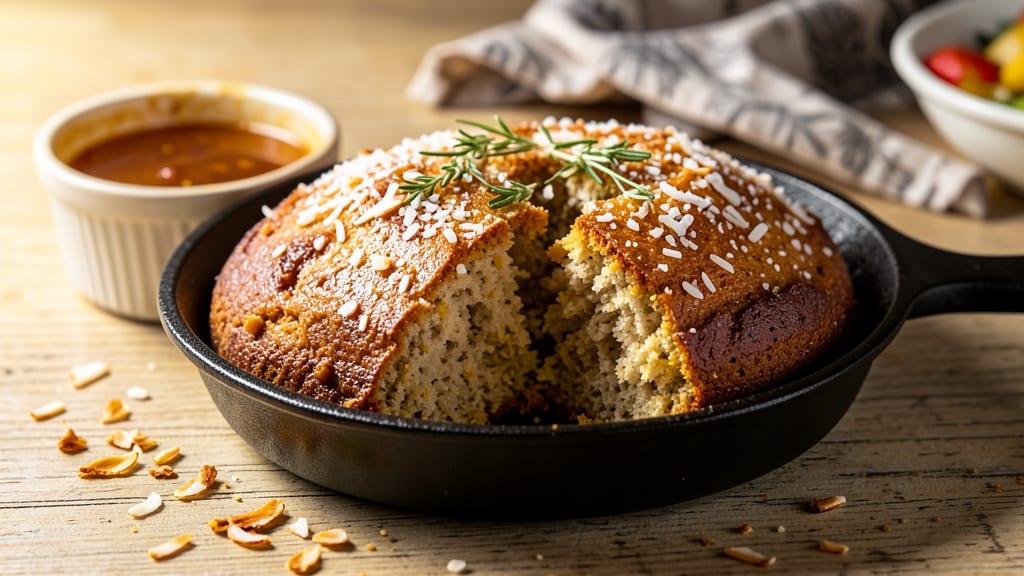
Authentic Jamaican coco bread delivers the perfect balance of spiced rum-infused crust and a moist, tender crumb that pairs beautifully with Jamaican jerk chicken or curried dishes. This recipe captures the soul of Jamaican cuisine, where cornmeal and coconut blend to create a side dish that's as comforting as it is flavorful. The secret lies in the slow fermentation and careful baking technique that produces that signature texture—crispy outside, soft inside.
What sets this coco bread apart is its cultural significance in Jamaican meals, often served alongside breakfast dishes or as a side for festive gatherings. The rum-infused crust adds depth, while the coconut and cornmeal base ensures a satisfying bite.
Unlike many bread recipes, this one relies on traditional methods that create an authentic taste you won't find in store-bought versions.
By the time you pull it from the oven, you'll have a loaf with a golden, slightly crispy crust that gives way to a moist, fluffy interior. The aroma alone will transport you to Jamaica, and the texture is just right—neither too dense nor too crumbly.
This bread stays fresh for days, making it perfect for meal prep or sharing with friends.
The beauty of this recipe is its versatility—serve it warm with butter, as a side to stews, or even toasted for breakfast. Here's how to achieve that perfect balance of flavors and textures in your kitchen.
Ingredients for authentic jamaican coco bread
These Jamaican-inspired ingredients blend rum, coconut, and cornmeal for a bread that's crispy outside and tender inside.
| Ingredient | Amount | Notes |
|---|---|---|
| All-Purpose Flour 🌾 | 4 cups | Sifted for lighter texture |
| Fine Yellow Cornmeal 🌽 | 1 cup | Not coarse, for authentic texture |
| Granulated Sugar 🍚 | ¼ cup | Light brown preferred for depth |
| Baking Powder 🍞 | 2 tsp | Aluminum-free for best rise |
| Salt 🧂 | 1 tsp | Fine sea salt preferred |
| Shredded Coconut (Sweetened) 🥥 | 1 cup | Unsweetened works too |
| Light Brown Sugar 🍚 | ½ cup | Packed for moisture |
| Spiced Rum 🍹 | ¼ cup | Dark rum for authentic flavor |
| Buttermilk 🥛 | 1 ½ cups | Room temperature for best rise |
| Large Eggs 🥚 | 2 whole | Room temperature for even baking |
| Unsalted Butter 🧈 | ½ cup | Melted, not softened |
| Ground Cinnamon 🌿 | 1 tsp | Freshly ground preferred |
| Ground Nutmeg 🍯 | ½ tsp | Freshly grated nutmeg |
| Vanilla Extract 🌸 | 1 tsp | Pure vanilla for aroma |
The rum is non-negotiable—Appleton Estate or Hampden Estate are the gold standard if you want to splurge, but any good dark rum works. The shredded coconut should be the sweetened kind from the baking aisle at Walmart or Target, not the unsweetened kind from the international section. That extra sugar helps balance the rum's bite. For the cornmeal, Bob's Red Mill is my go-to—it's fine enough to give that authentic Jamaican texture without being gritty. The buttermilk needs to be room temperature, or the bread will turn out dense. Pro tip: if you don't have buttermilk, mix 1.5 tbsp vinegar or lemon juice with 1.5 cups milk and let it sit for 5 minutes.
No spiced rum? Dark molasses or even maple syrup can mimic that depth, though it won't be identical. Running out of brown sugar? White sugar plus a pinch of molasses works in a pinch. The cinnamon and nutmeg should be freshly ground if possible—pre-ground spices lose their punch fast. For the butter, European-style butter like Plugrá has more fat content, which gives the crust extra crispiness. If you're making this ahead, the dough can sit overnight in the fridge—it actually improves the flavor as the spices meld.
This bread stays fresh for 3-4 days at room temperature, wrapped tightly in foil. For longer storage, freeze the whole loaf for up to 3 months. To reheat, wrap in foil and warm in a 350°F oven for 10 minutes—it'll smell like Jamaica. I always make a double batch because it disappears fast. The crust keeps best if you slice it right before serving—otherwise, it gets soggy. Leftovers? Toast them for breakfast—they're even better the second time around.
Why You'll Love This Recipe
- No Fuss, No Stress: I swear by this recipe—just mix, pour, bake. The cornmeal gives it that perfect crumbly texture without needing fancy techniques, and honestly? My kids think I’m a baking genius, even though I just dump ingredients.
- Sweet & Crunchy Magic: That sugar isn’t just for sweetness—it caramelizes just enough to make every bite taste like a little Jamaican hug. The cornmeal adds this addictive crunch, and the baking powder keeps it light. (Between us, I’ve been known to eat it straight from the pan.)
- Breakfast, Snack, or Dessert: This bread is my secret weapon for lazy mornings—toast it, slather with butter, and call it a day. But it’s also perfect for afternoon tea or even dessert when you drizzle honey over it. (Yes, even on a Tuesday night.)
- Budget-Friendly Staple: A single batch costs me pennies and lasts all week—freezer-friendly, reheats in seconds, and no one ever turns it down. Plus, the ingredients? Basic pantry stuff. That’s how you feed a crowd without breaking the bank.
Step-by-step instructions for Jamaican coco bread
Here's how to bake this tropical treasure with its signature spiced rum crust and tender crumb.
Prepare the Wet Ingredients
In a medium saucepan, combine the 1.5 cups buttermilk, 0.5 cup light brown sugar, and 0.25 cup spiced rum. Place over medium heat and warm until the mixture reaches 150°F—you'll see tiny bubbles forming around the edges. This gentle heating helps activate the baking powder for a perfect rise.
In a separate bowl, whisk together the 2 whole eggs, 0.5 cup melted butter, 1 tsp vanilla extract, and the warm buttermilk mixture. The melted butter should be completely incorporated, creating a smooth, glossy liquid. This step is crucial for that moist crumb—don't skip it!
Combine Dry Ingredients and Mix
In a large mixing bowl, sift together the 4 cups all-purpose flour and 1 cup fine yellow cornmeal. This sifting creates air pockets that help the bread rise beautifully. Add the 0.25 cup granulated sugar, 2 tsp baking powder, 1 tsp salt, 1 tsp ground cinnamon, and 0.5 tsp ground nutmeg. Whisk gently to distribute the spices evenly throughout the dry ingredients.
Pour the wet mixture into the dry ingredients and stir just until combined. You'll want to see small lumps remain—overmixing develops gluten and makes the bread dense. Fold in the 1 cup shredded coconut by hand using a rubber spatula, ensuring even distribution throughout the batter. The coconut adds that signature Jamaican texture and tropical flavor.
Shape and Prepare for Baking
Transfer the batter to a greased 9x5-inch loaf pan and spread it evenly. The batter will be thick but should flow to the edges of the pan. Sprinkle the top with a little extra shredded coconut for that authentic crust. Tap the pan gently on the counter to remove any air bubbles that might have formed during mixing.
Place the loaf pan in the refrigerator for 30 minutes to allow the batter to firm up slightly. This chilling step prevents the bread from spreading too much in the oven. Preheat your oven to 350°F during this time—you want it fully heated before baking begins.
Bake to Golden Perfection
Bake the coco bread for 50-55 minutes until a toothpick inserted into the center comes out clean. The top should be golden brown with a slightly crisp crust, while the sides should pull away from the pan easily. If the top browns too quickly, tent the pan with aluminum foil to prevent over-browning while the center finishes baking.
Here's the thing—this bread continues cooking as it sits. Remove it from the oven when it's just slightly underdone in the center. The residual heat will finish cooking it perfectly. Let the bread cool in the pan for 10 minutes before transferring to a wire rack. This resting period helps the crumb set properly and prevents it from crumbling.
Serve Warm for Maximum Flavor
Slice the coco bread while it's still warm for the best texture and flavor. The interior should be tender with a slightly moist crumb, while the exterior should have that signature crispness. Serve it with a pat of butter or a drizzle of honey to complement its natural sweetness and warm spices.
This bread tastes even better the next day when the flavors have fully melded together. Store any leftovers wrapped in plastic wrap at room temperature for up to 3 days. The spiced rum flavor will infuse deeper with time, making each slice more aromatic and delicious.
Pro Tips For Making Authentic Jamaican Coco Bread
- Mix Dry Ingredients First: DESCRIPTION: Dump the all-purpose flour, cornmeal, sugar, baking powder, and salt into a bowl before adding any liquids—this prevents clumping and ensures the cornmeal distributes evenly. I learned this the hard way when my first batch had gritty pockets where the cornmeal refused to blend.
- Steam the Loaf: DESCRIPTION: Place a shallow tray of boiling water in the oven before baking—this adds moisture and keeps the crumb tender. After burning three batches with dry, crumbly bread, I finally cracked open my grandmother’s old recipe book and found this non-negotiable step.
- Use a Light Touch: DESCRIPTION: Fold the wet ingredients into the dry just until combined—overmixing develops gluten and turns the bread dense. Stop when the batter looks shaggy, like wet oatmeal. (Yes, it’ll look underdone, but that’s the point.)
- Check for Doneness Early: DESCRIPTION: Jamaican coco bread is done when the top springs back when pressed and the internal temp hits 205°F (96°C)—not 212°F like most breads. Pull it too soon, and it’ll collapse; leave it too long, and it’ll dry out. I now set a timer for 5 minutes before the recipe’s suggested bake time and check then.
Essential equipment for authentic jamaican coco bread
Loaf Pan Essentials
Your 9x5-inch loaf pan is non-negotiable for this recipe—it creates the perfect height-to-width ratio for that signature Jamaican coco bread shape. I recommend a Nordic Ware Natural Aluminum Loaf Pan because its nonstick surface prevents sticking and ensures even browning.
Grease it generously with butter or coconut oil before pouring in the batter to guarantee easy release. If you don’t have a loaf pan, a 9x9-inch square pan works in a pinch, but the texture will differ slightly. 🥖
Mixing Tools Matter
Use a large mixing bowl (at least 5-quart capacity) to combine your dry ingredients—this prevents spills when folding in the wet mixture. A whisk is ideal for sifting the flour and cornmeal, while a rubber spatula helps gently fold in the shredded coconut without overmixing.
For the wet ingredients, a medium saucepan with sloped sides makes heating the buttermilk mixture easier and safer. Avoid metal spoons when mixing the batter—they can overheat and alter the texture.
Measuring with Precision
Accurate measurements are key to this recipe, so invest in a set of kitchen scales or use standard measuring cups with level scoops (never heaping). For the spiced rum, a liquid measuring cup with clear markings ensures you don’t overpour. The shredded coconut should be packed lightly into your measuring cup—don’t compress it, or you’ll end up with a dry, dense bread. A fine-mesh sieve helps sift the flour and cornmeal evenly for a lighter crumb. 🥄
Oven Thermometer Check
Jamaican coco bread relies on precise baking temperatures, so an oven thermometer is a must. Many home ovens run 10-25°F hotter than their set temperature, and this can drastically affect your bread’s texture.
Place the thermometer near the center rack while preheating to 350°F—if it reads higher, adjust your oven’s dial accordingly. For even baking, position your loaf pan on the middle rack, where heat circulates most evenly.
A wire cooling rack is also essential for letting the bread cool properly after baking. 🌡️
Optional: Steaming Setup
While traditional Jamaican coco bread is baked, some regional variations include a steaming step for extra moisture. If you want to experiment, place a small baking dish filled with boiling water on the lower oven rack during the final 10 minutes of baking.
This creates steam that keeps the crumb ultra-tender. Just be sure to remove the water dish once the bread is done to avoid sogginess. This technique is especially useful in dry climates where bread can dry out quickly. ⚡
Storage Containers
To keep your coco bread fresh, store it in an airtight container or beeswax wrap at room temperature for up to 4 days. For longer storage, freeze the loaf in a quart-sized freezer bag, squeezing out excess air to prevent freezer burn.
When reheating, wrap the bread in foil and warm in a 350°F oven for 10-15 minutes—this restores its crispy crust and warm, inviting aroma. A sharp serrated knife makes slicing easier, especially for thicker loaves. 💫
Nutrition facts
Frequently asked questions
Can I substitute the spiced rum with something else?
Yes! If you don’t have spiced rum, use 0.25 cup dark molasses or 0.25 cup maple syrup for depth, though the flavor won’t be identical. For a non-alcoholic option, try 0.25 cup apple cider—it adds a subtle sweetness without the rum’s warmth. The rum’s caramel notes are key to that authentic Jamaican taste, but these swaps work in a pinch.
Why does my coco bread turn out dense?
Overmixing the batter develops gluten, making the bread dense. Stir just until combined—small lumps are okay! Also, ensure your buttermilk is room temperature and your oven is accurately calibrated (use an oven thermometer). Chilling the batter for 30 minutes before baking helps too. A dense crumb often means the baking powder wasn’t activated properly—check its freshness.
How do I make this bread gluten-free?
Replace the 4 cups all-purpose flour with a 1:1 gluten-free baking flour blend (like Bob’s Red Mill 1-to-1). Add 0.5 tsp xanthan gum to mimic gluten’s structure. For the cornmeal, use a gluten-free fine cornmeal. Note: The texture will be slightly denser, and the rise may not be as tall. Test the recipe first with a small batch.
Can I bake this in a different pan shape?
A 9x5-inch loaf pan is ideal, but you can use a 9x9-inch square pan for a shorter, wider loaf. For a round shape, try a 9-inch cast-iron skillet (greased well). The baking time may vary—check for doneness at 45 minutes. Avoid tall pans, as they can cause uneven baking. The crust will be thicker in square pans, but the crumb stays moist.
What’s the best way to reheat sliced coco bread?
Wrap slices in foil and warm in a 350°F oven for 5-7 minutes to restore crispiness. For a quicker fix, toast in a dry skillet over medium heat for 1-2 minutes per side. Microwaving works too (30 seconds), but it softens the crust. Always reheat from room temperature for even warmth. Leftovers taste best reheated—fresh slices can get gummy.