
Side Dishes
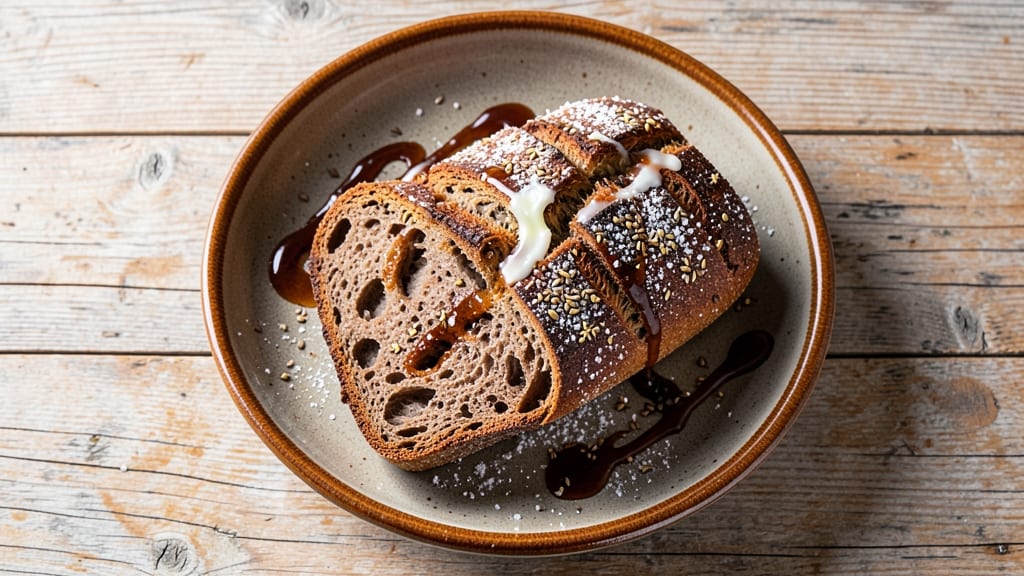
This authentic Swedish rye bread recipe brings the heart of Scandinavian baking to your kitchen with its signature crusty bark and molasses-sweet crumb—just like the bread you'd find in a Swedish bakery.
The secret lies in a long fermentation process and a blend of dark rye flour, which develops deep, complex flavors over time. Unlike quick breads, this recipe rewards patience with a dense yet tender crumb and a crisp exterior that crackles with every bite.
Traditional Swedish rye bread relies on sourdough starter for its signature tang and structure, but I’ve included a simple alternative for those new to fermentation.
The molasses adds a subtle sweetness that balances the bread’s earthy rye flavor, while a touch of caraway seeds (optional but recommended) nods to classic Scandinavian spice traditions. This bread is perfect for sandwiches, open-faced meals, or simply enjoyed with butter and jam.
The process involves three stages of kneading and proofing, each critical for developing the bread’s signature texture. The dough will be stiff and unyielding at first, but with time and gentle handling, it transforms into a golden, aromatic loaf with a dense yet airy crumb.
The crust forms a thick, crackly bark that’s irresistible to break—just as it should be in an authentic Swedish bakery.
Once baked, this bread improves with age, developing even more depth of flavor over several days. Store it wrapped in a cloth to maintain freshness, and slice it thick for that satisfying, hearty texture.
Whether you’re serving it with herring, cheese, or simply butter, this recipe delivers the true taste of Sweden in every bite.
Ingredients for authentic swedish rye bread
Pantry staples meet Scandinavian tradition in this rye bread's hearty, molasses-kissed dough.
| Ingredient | Amount | Notes |
|---|---|---|
| Dark Rye Flour 🌾 | 4 cups | Stone-ground preferred for authentic texture |
| All-Purpose Flour 🌾 | 1 cup | For structure and lightness |
| Active Dry Yeast 🍞 | ¼ oz | Or 2 1/4 tsp (1 packet) |
| Unsalted Butter 🧈 | ½ cup | Cold, cubed for dough |
| Molasses 🍯 | ½ cup | Dark, unsulphured preferred |
| Granulated Sugar 🍚 | ¼ cup | Balances molasses sweetness |
| Large Eggs 🥚 | 1 whole | Room temperature for mixing |
| Warm Water 💧 | 1 ½ cups | 105°F-110°F for yeast activation |
| Salt 🧂 | 1 ½ tsp | Diamond Crystal preferred |
| Caraway Seeds 🌿 | 1 tsp | Toasted for deeper flavor |
| Active Dry Sourdough Starter 🍞 | 1 cup | Unfed, 100% hydration |
| Cornmeal 🌽 | ½ cup | For dusting loaf pan |
| Coarse Sea Salt 🧂 | 1 tbsp | For crust scoring |
The rye flour is non-negotiable here—King Arthur or Bob's Red Mill are my go-tos, but any stone-ground rye will do. Look for dark rye flour with a deep amber color; lighter flours won't give that authentic Swedish density. The molasses should be unsulphured and dark—light molasses lacks the rich depth. If you can't find dark molasses, mix equal parts dark and light for a compromise. Caraway seeds? Toast them first in a dry pan for 30 seconds—they'll release their aroma and make the whole loaf smell like a Swedish bakery. For the sourdough starter, if you're new to fermentation, store-bought active dry yeast works perfectly—just mix it with 1 cup warm water and 1 cup flour to mimic the starter's behavior.
No dark rye flour? Substitute half with whole wheat flour—it's not identical, but closer than all-purpose. Short on molasses? Maple syrup at half the amount works in a pinch, though it lacks the deep, smoky notes. The butter must be cold—cut it into small cubes and let it sit at room temp for 30 minutes before mixing. For the egg, if you're avoiding it, replace with 1 tbsp ground flaxseed + 3 tbsp water (let sit 5 minutes to gel). The caraway seeds can be skipped if you dislike their flavor, but trust me, they're worth it. And if your yeast is old? Test it first—drop a pinch in warm water with a pinch of sugar; if it bubbles in 5-10 minutes, it's good to go.
This dough is a beast—it needs time. Store it in the fridge between kneadings, wrapped tightly in plastic. The starter can be prepped 1-2 days ahead for a more robust flavor. Once baked, let the bread cool completely before slicing—at least 2 hours. The crust will keep for 3-4 days in a paper bag at room temp, but the crumb stays fresh for 5-6 days wrapped in a cloth. Freeze slices for up to 3 months—toast directly from frozen for maximum crisp. And if you're making this for a crowd, double the recipe; it freezes beautifully.
Why You'll Love This Recipe
- No-Knead Magic: Honestly, the dough comes together in five minutes—just mix, let it rise overnight, and bake. That’s it. The dark rye flour does all the heavy lifting while you sleep.
- Molasses Kicks It: That deep, caramelized molasses tang? It’s what makes this bread taste like a hug from Sweden. The butter keeps it rich but never heavy—just ridiculously good with butter, jam, or straight from the oven.
- Weeknight Hero: Between us, this is my lazy-day bread. Make a loaf on Sunday, and you’ve got toast for breakfast, sandwiches for lunch, and open-faced dinner—no last-minute grocery runs. The yeast does the work while you do nothing.
- Budget Stretch: Dark rye flour might sound fancy, but it’s cheaper than buying pre-sliced artisanal bread. One batch feeds my family for days, and the leftovers? Perfect for croutons or breadcrumbs—zero waste, all flavor.
Step-by-step instructions for authentic Swedish rye bread
Here's how to craft a traditional Swedish rye loaf with that signature molasses sweetness and crispy crust.
Mix the Dough with Molasses and Starter
In a large mixing bowl, combine the 4 cups dark rye flour, 1 cup all-purpose flour, 1.5 teaspoons salt, and 1 teaspoon toasted caraway seeds. Make a well in the center and add the 1 cup active dry sourdough starter, 0.25 ounce active dry yeast, 0.5 cup molasses, 0.25 cup granulated sugar, 1 whole large egg, and 1.5 cups warm water.
Using a wooden spoon or dough whisk, gradually incorporate the dry ingredients into the wet mixture. The dough will be sticky but should come together into a shaggy mass. Let it rest for 10 minutes while you prepare your workspace. This initial hydration helps the gluten develop more evenly during mixing.
After resting, turn the dough onto a lightly floured surface and knead for about 8-10 minutes until smooth and elastic. The molasses and rye flour make this dough particularly sticky, so wet your hands frequently to prevent sticking. If it feels too dry, add 1 tablespoon warm water at a time until you achieve a soft yet workable consistency.
Incorporate Cold Butter and Bulk Ferment
Cut the 0.5 cup cold unsalted butter into small cubes and gently work them into the dough by hand. The butter should remain in small pieces rather than fully incorporating - this creates those signature tender pockets in the final bread. Transfer the dough back to the mixing bowl, cover with a damp towel, and let it rise at room temperature for 2-3 hours.
During this time, the dough should increase in volume by about 50-75%. You'll notice it becomes lighter and slightly bubbly. This bulk fermentation develops flavor and structure. I like to check it after 2 hours - if it hasn't risen noticeably, let it continue for another 30 minutes. The molasses and starter combination slows fermentation slightly compared to regular bread dough.
Once properly risen, gently deflate the dough by pressing down with your fingers. This prepares it for shaping without losing too much air. The dough should feel springy when pressed - if it springs back immediately, it's ready for shaping.
Shape and Proof the Loaf
Lightly dust your work surface with cornmeal and shape the dough into a round loaf about 8 inches in diameter. For an authentic Swedish style, I like to create a slight depression in the center before shaping - this creates that beautiful "crown" when baked. Place the shaped loaf seam-side down on a parchment-lined baking sheet.
Cover the loaf with plastic wrap and refrigerate for at least 12 hours or up to 24 hours. This cold proofing intensifies the flavors and creates that dense yet tender crumb characteristic of Swedish rye. The dough will rise slowly in the fridge, developing complex molasses notes and a slightly tangy character from the starter.
Remove the loaf from the refrigerator about 1 hour before baking to let it come to room temperature. This final rise ensures proper oven spring when baked. The surface should be slightly domed and feel firm to the touch.
Bake with Steam for Crispy Crust
Preheat your oven to 375°F with a baking stone or inverted baking sheet on the middle rack. Place a metal bowl filled with hot water on the lower rack to create steam during baking. This steam is crucial for developing that crispy bark and preventing the crust from drying out.
Brush the loaf with water and sprinkle the 1 tablespoon coarse sea salt evenly over the surface. Score the top with a sharp serrated knife in a decorative pattern - this allows the bread to expand properly and creates those beautiful crust patterns. Bake for 45-50 minutes until the internal temperature reaches 190°F and the crust is deep golden brown.
For the first 20 minutes, avoid opening the oven door to maintain steam. After that, you can check for doneness by tapping the bottom - it should sound hollow. The bread should have a crisp exterior and a dense, slightly sweet interior with visible molasses flecks. Let it cool on a wire rack for at least 1 hour before slicing.
Rest and Serve for Maximum Flavor
While the bread cools, prepare your serving plates. Swedish rye bread is best enjoyed at room temperature when the crumb has fully set. The contrast between the crispy crust and tender interior develops as it cools, creating the perfect texture combination.
Slice the loaf thickly - about 1 inch per serving - to showcase the beautiful crumb structure. The molasses sweetness will be most pronounced when served with butter or sharp cheeses. For an authentic Swedish experience, pair with lingonberry jam or smoked salmon. The caraway seeds add a subtle anise-like note that complements both sweet and savory toppings.
This bread keeps well at room temperature for 2-3 days wrapped in a cloth, or you can freeze slices for up to 3 months. The flavors actually improve slightly over time as the molasses continues to mellow and infuse the bread.
Pro Tips For Making Authentic Swedish Rye Bread
- Hydrate the Rye First: Mix your dark rye flour with water and molasses before adding other ingredients—this prevents clumping and lets the molasses dissolve properly. I learned this the hard way after scraping molasses globs out of my mixer for the third time.
- Proof Yeast in Warm Milk: Skip the water—proof your yeast in warm milk (or buttermilk) for 5–10 minutes before mixing. The fat and slight acidity wake it up faster, especially since rye’s acidity can slow fermentation. (Yes, even if you’re impatient like me.)
- Don’t Overknead the Dough: Rye dough is delicate—stop kneading when it just starts to pull away from the bowl. Overworking it turns gummy, and Swedish rye should stay firm but tender. I used to fight it, thinking more kneading = better bread. It doesn’t.
- Use Cold Butter for Layers: Chill your unsalted butter slices hard before laminating—press them into the dough while still cold so they stay intact during baking. Warm butter = greasy layers that collapse. (Your future self will thank you.)
Wine and beer pairings for authentic swedish rye bread
Swedish Beer Pairings
For an authentic experience, pair your rye bread with a crisp Swedish lager like Pripps Blå or Carlsberg. The light, slightly sweet malt profile of these beers complements the molasses depth without overpowering the caraway notes.
I reach for Pripps Blå specifically—its subtle citrus and spice notes echo the caraway seeds in the bread, creating a harmonious balance. 🍺
Nordic Mead Options
Traditional Swedish mead (mjöd) offers a unique pairing with its honeyed sweetness and herbal undertones. Try Mjödsysslans or Björkmead—these historic Nordic beverages enhance the bread's molasses character while adding floral complexity.
The honey notes in the mead mirror the natural sweetness of the rye, creating a cohesive Scandinavian flavor profile.
White Wine Contrast
For a lighter option, a dry Swedish white wine like Ekur or Vindrycker's Gråste works beautifully. These wines have crisp acidity and subtle mineral notes that cut through the bread's richness while highlighting the caraway's anise-like quality.
I especially love Ekur—its citrus finish refreshes the palate between bites of the dense, sweet-savory rye. 🍷
Dark Beer for Hearty Spreads
When serving with smoked salmon or herring, opt for a Swedish dark lager like Falcon Strong or Loka Bryggeri's Black Lager. The malt sweetness and roasted notes in these beers mirror the bread's molasses and caraway, while their body stands up to rich toppings.
The dark malts also echo the rye's earthy depth, making every bite feel intentional.
Non-Alcoholic Pairings
For a non-alcoholic option, Swedish lingonberry juice or cloudberry cordial pairs perfectly with the bread's tangy-sweet profile. The berry acidity brightens the molasses, while the natural sweetness complements the caraway.
I also enjoy Swedish sparkling water with a splash of cloudberry syrup—it's refreshing yet still celebrates the bread's Scandinavian roots. 💧
Regional Cheese Pairings
To elevate your pairing, add Swedish cheese like Vasterbottenost (a semi-hard cheese with nutty notes) or Prästost (a mild, slightly sweet cheese). The cheese's creaminess contrasts the bread's crusty exterior, while its savory depth balances the molasses sweetness.
A glass of Swedish red wine like Dryckes pairs wonderfully with this combination, adding another layer of complexity. 🧀
Nutrition facts
Frequently asked questions
Why does Swedish rye bread need such a long fermentation?
The extended fermentation—especially the 12-24 hour cold proof—is what creates that signature deep flavor and dense yet tender crumb. The molasses and rye flour develop complex caramelized notes over time, while the sourdough starter builds tangy acidity. This slow process also breaks down gluten for that satisfying hearty texture. Think of it as letting the bread "mature" like fine cheese!
Can I make this without a sourdough starter?
For beginners, replace the 1 cup sourdough starter with 1 cup warm water + 2 ¼ tsp active dry yeast mixed together and let sit for 5 minutes. The flavor won't be identical, but you'll still get that authentic Swedish rye texture. For best results, use dark rye flour and extend the cold proof to 24 hours—this helps compensate for the missing sourdough tang.
How do I know when the dough is properly proofed?
After the 2-3 hour room-temperature rise, press your finger gently into the dough—it should spring back slowly (not immediately). For the cold proof, the dough should rise about 25-50% in volume. A good test: If you poke it with your finger and leave a slight indentation, it's ready. The dough should also feel slightly domed and firm to the touch when removed from the fridge for baking.
Why did my crust turn out too soft instead of crispy?
Most likely, your oven lacked steam during baking. For that signature crackly bark, you need steam for the first 20 minutes—place a metal bowl of hot water on the lower oven rack. Also ensure your oven is fully preheated to 375°F and use a baking stone or inverted sheet pan for even heat distribution. If your crust is still soft, try baking 10-15 minutes longer at a slightly higher temp (400°F).
Can I add other seeds or spices?
Traditional Swedish rye often includes caraway seeds, but you can also try fennel seeds (similar anise flavor), poppy seeds, or even sunflower seeds for crunch. For spices, cardamom or anise work beautifully with the molasses. Just toast seeds/spices first to enhance their aroma—this makes a huge difference in flavor! Start with ½ tsp of any addition to avoid overpowering the bread.