
Side Dishes
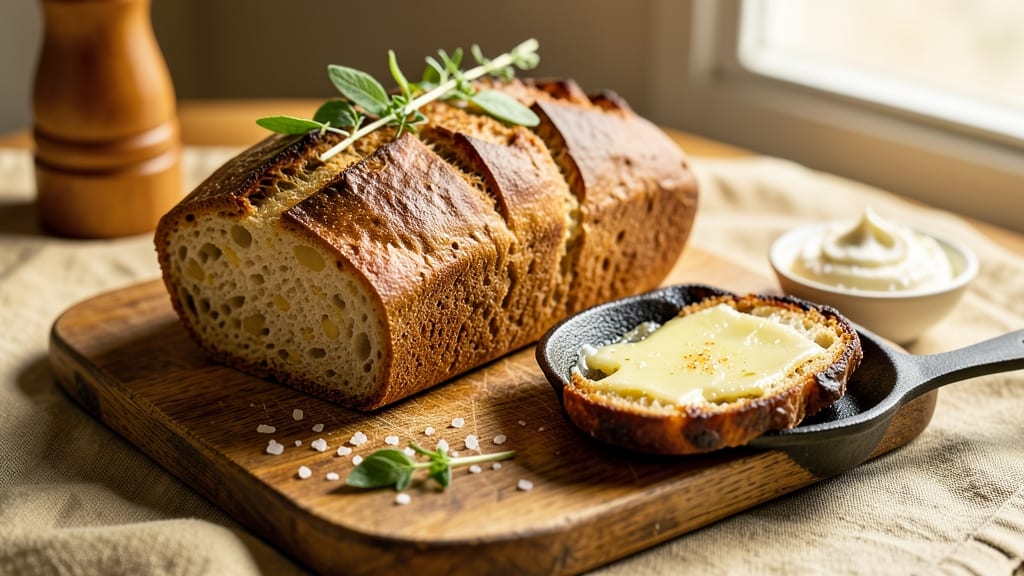
This artisan potato bread recipe delivers a rustic loaf with a crisp golden crust and tender, potato-infused crumb that's impossible to resist. 💛 The secret lies in using starchy potato water for a light, airy texture while maintaining that classic bread structure—no dense, gummy results here.
I've perfected this technique after years of baking, balancing traditional methods with modern convenience for home cooks.
What sets this recipe apart is the combination of a simple dough formula with a professional touch: a short autolyse rest period that develops gluten without overworking the dough.
The potato water infusion creates that signature moist crumb while the crust develops a beautiful golden-brown crust with just the right amount of snap. This isn't your average potato bread—it's a showstopper that pairs beautifully with soups, stews, or simply slathered with butter.
By following this method, you'll achieve a loaf with an open crumb structure and that perfect balance of crisp exterior and soft interior. The potato flavor infuses gently throughout, enhancing rather than overpowering the bread's natural taste.
With just a few simple ingredients and about 2 hours of hands-off time, you'll have a homemade loaf that rivals artisanal bakery bread.
The best part? This recipe scales perfectly for any occasion—whether you need a single loaf for your family or want to bake multiple for gatherings. The dough's flexibility allows for variations like adding cheese, herbs, or even seeds for extra flavor. Let's get started on creating your perfect potato bread.
Ingredients for artisan potato bread
Simple ingredients, extraordinary technique—this is your artisan potato bread shortcut.
| Ingredient | Amount | Notes |
|---|---|---|
| Russet Potatoes 🥔 | 2 medium | Peeled and boiled for water |
| All-Purpose Flour 🌾 | 4 cups | High-protein preferred |
| Instant Yeast 🍞 | ¼ tsp | Active dry works too |
| Granulated Sugar 🍯 | 1 tbsp | Or honey for depth |
| Salt 🧂 | 1 ½ tsp | Diamond Crystal preferred |
| Unsalted Butter 🧈 | ½ cup | Cold and cubed |
| Large Eggs 🥚 | 1 whole | Room temperature preferred |
| Whole Milk 🥛 | ¼ cup | Warmed slightly |
| Cornmeal 🌽 | 1 tbsp | For dusting loaf pan |
| Sesame Seeds 🌱 | 1 tsp | Optional for topping |
| Water 💧 | 1 ½ cups | Starchy potato water preferred |
| Olive Oil 🫒 | 1 tbsp | For greasing pan |
The potatoes are non-negotiable here. Russets have the right starch content for that tender crumb, but if you're in a pinch, Yukon Golds work too. Boil them whole, peel them hot, then mash them into the dough for that signature moisture. For the flour, King Arthur or Caputo make a difference—both have higher protein for better gluten development. The yeast? Fresh is ideal, but instant works just fine. Store your yeast in the freezer for maximum shelf life—it keeps for years that way. And the butter? European-style has more fat content, which gives you that richer flavor and better crust.
No cornmeal? Semolina or all-purpose flour will do in a pinch, though cornmeal gives that gorgeous crunch on the bottom. Running out of sesame seeds? Poppy seeds or everything bagel seasoning add a nice contrast. The milk can be any kind—whole, 2%, or even plant-based milk if you're avoiding dairy, though whole milk gives the best texture. For the potato water, if you're not using boiled potatoes, starchy vegetable water works too. Just make sure it's thick and cloudy—think of it like potato starch slurry. And if you're making multiple loaves, double the yeast for better rise in the second batch.
This dough is forgiving but has a short window. Keep it covered at room temperature for up to 2 hours before baking—any longer and the yeast will overproof. For storage, wrap cooled loaves in parchment paper and keep at room temperature for 3 days. Freeze for up to 3 months by wrapping tightly in plastic. Reheat slices in a 350°F oven for 5 minutes to restore that fresh-baked magic. And trust me, the leftovers? Toast them—they're even better the next day.
Why You'll Love This Recipe
- No Boil Fuss: The potatoes go straight from peel to grate—no pre-boiling, no waiting. I just toss them raw into the dough, and the yeast works its magic while I chop veggies for dinner. That’s 15 minutes saved, and honestly? You’d never know they weren’t simmered.
- Crusty Yet Tender: That golden crust cracks like a fresh-baked baguette, but inside? Pillowy, almost like a brioche. The Russets break down just enough to keep it moist, while the sugar in the dough gives it a subtle caramelized edge. (Yes, even on a Tuesday night.)
- Budget Stretch: Russets are cheap, flour’s a pantry staple, and this recipe makes two loaves—perfect for feeding the family without breaking the bank. I’ve made this for Sunday brunch, picnic sandwiches, and even as a side for a big roast. One dough, endless uses.
- Leftovers That Don’t Suck: Slice it up and freeze the extras—no weird texture when you toast it later. My kids grab it straight from the freezer for school lunches, and it reheats like it was just baked. (Between us, it’s my go-to for lazy mornings.)
Step-by-step instructions for artisan potato bread
Transform simple potatoes into a loaf with a crackly crust and tender potato-infused crumb—this method delivers bakery-quality results every time.
🍳 Step 1: Create the Potato Water Base
Peel the 2 medium russet potatoes and cut them into even chunks. Place them in a small pot and cover with cold water by about 1 inch. Bring to a boil over medium-high heat, then reduce to medium-low heat and simmer for 15-20 minutes until fork-tender. Drain the potatoes, reserving the starchy cooking water in a measuring cup.
Mash the potatoes thoroughly with a potato masher or fork—you want a smooth, lump-free texture. Measure out exactly 1.5 cups of the reserved potato water (add cold water if needed to reach this amount). The starch in this water will create a silky crumb and help with gluten development. Set aside the mashed potatoes for now.
👨🍳 Step 2: Mix the Dough with Potato Magic
In a large mixing bowl, whisk together the 4 cups all-purpose flour, 0.25 tsp instant yeast, 1 tbsp granulated sugar, and 1.5 tsp salt. Make a well in the center and add the mashed potatoes, 0.5 cup cold cubed butter, 1 whole large egg, and 0.25 cup warmed whole milk. Pour in the 1.5 cups potato water gradually while mixing with a wooden spoon.
Mix until a shaggy dough forms, then turn it out onto a lightly floured surface. Knead for 8-10 minutes until smooth and elastic. The potato-infused dough will be slightly stickier than regular bread dough—don't overwork it, but make sure it's cohesive. If it's too sticky, wet your hands slightly while kneading. Shape into a round loaf and place in a lightly greased bowl.
🔥 Step 3: First Rise and Shape for Crust
Cover the bowl with a damp towel and let the dough rise in a warm place for 1-1.5 hours, or until doubled in size. While it rises, preheat your oven to 375°F. Grease a 9x5-inch loaf pan with 1 tbsp olive oil and lightly dust with 1 tbsp cornmeal.
Punch down the risen dough and shape it into a log, tapering slightly at the ends. Transfer it to the prepared loaf pan, seam-side up. Cover again and let it rise for another 30-45 minutes until just puffy. This second rise ensures maximum oven spring. Sprinkle 1 tsp sesame seeds on top for that artisanal touch.
⏰ Step 4: Bake to Golden Perfection
Bake the loaf in the preheated oven for 40-45 minutes until the top is deep golden brown and the internal temperature reaches 190-195°F. Tap the loaf—it should sound hollow when done. For extra crust development, transfer to a wire rack and let it cool for 10 minutes before removing from the pan.
This potato bread develops its best texture when sliced warm. The crust should be crisp with a satisfying crack, while the interior reveals a tender, potato-infused crumb that's moist but not dense. The sesame seeds add a subtle nutty contrast to the rich potato flavor. Serve with butter or your favorite jam for the ultimate artisan experience.
Pro Tips For Making Artisan Potato Bread
- Boil Potatoes Until Fork-Tender: I learned this the hard way—overcooked potatoes turn your dough gummy, while undercooked ones leave gritty bits. Test with a fork: it should slide in like butter, not fight you. Drain immediately and let them cool completely before mashing, or your yeast will throw a tantrum.
- Use Cold Mashed Potatoes: Yes, even if you're impatient like me. Mixing warm potato dough with yeast is a one-way ticket to dense, sad bread. Let that mash sit in the fridge for 30 minutes first—it stabilizes the gluten and gives your yeast time to wake up properly.
- Skip the Over-Kneading: This dough is stubborn. After the initial 5 minutes of mixing, stop when it just starts pulling away from the bowl. Overworking it turns your bread into a chewy brick. A gentle stretch-and-fold every 30 minutes during rising does more good than brutal kneading.
- Proof in a Warm Spot: Your oven’s light-on setting is your friend here. Place the dough in a greased bowl, cover it with a towel, and let it rise in there for 1–1.5 hours. The trapped heat keeps it consistent—no more lopsided loaves from uneven rising. (Pro move: Spritz the bowl with oil first so nothing sticks.)
Serving suggestions for this artisan potato bread
Butter Slather
Nothing elevates this bread like a generous spread of European-style butter—I love Plugrá or Kerrygold for their rich, creamy flavor. Let the butter soften slightly for easier spreading, then warm the bread for 10 seconds in the microwave to melt it beautifully.
For a gourmet touch, mix in 1 tsp honey or garlic powder before spreading. 🧈
Soup Pairings
This potato bread is a match made in heaven with hearty soups. Serve with creamy potato-leek soup for a double potato experience, or pair it with tomato basil soup to balance the richness.
For a lighter option, try gazpacho—the coolness contrasts perfectly with the warm, crusty bread. I often serve it with a side of olive oil and balsamic vinegar for dipping.
Cheese Board Combo
Create an elevated snack board by pairing slices with aged cheddar, brie, and blue cheese. The potato bread’s subtle sweetness complements sharp cheeses beautifully. Add cured meats like prosciutto or salami, marinated olives, and dried fruit like apricots or figs.
For a vegetarian twist, include hummus or whipped feta with herbs. 🧀
Breakfast Twist
Transform this bread into a breakfast star with scrambled eggs, crispy bacon, and avocado slices. Toast the bread lightly, then top with sautéed mushrooms and a sprinkle of fresh chives.
For a sweet morning option, spread with almond butter and drizzle with maple syrup. The potato flavor adds a comforting touch to any breakfast plate.
Meal Prep Hack
Slice cooled loaves and store in an airtight container with a paper towel to keep them fresh for 3-4 days. Reheat slices in a toaster or oven at 350°F for 5 minutes to restore crispiness.
Pack individual slices in lunchboxes with peanut butter and banana or turkey and cheese for a satisfying sandwich. The bread holds up well when frozen too—just thaw at room temperature before serving. ✨
Dessert Upgrade
Dip warm slices in melted chocolate or caramel sauce for a decadent treat. Top with crushed pistachios or sea salt for texture. For a lighter option, spread with cream cheese and strawberry jam, then sprinkle with toasted coconut flakes.
This bread’s neutral flavor makes it the perfect canvas for sweet experiments. 🍫
Nutrition facts
Frequently asked questions
Why does this potato bread have a different texture than regular bread?
The potato water infusion replaces some of the flour with starchy liquid, creating a lighter, more tender crumb. The mashed potatoes add moisture while the potato starch helps develop gluten differently, resulting in that signature silky texture. Think of it as a cross between a classic loaf and a brioche—richer but still airy.
Can I make this without a loaf pan? What shape should I use?
Shape the dough into a round boule or oval batard for a rustic look. Use a baking stone or sheet pan lined with parchment paper. Brush with olive oil and sprinkle with seeds before baking. For even better results, preheat your oven with a Dutch oven for a crispier crust. The baking time will be about 35-40 minutes at 375°F.
What if my dough doesn't rise properly?
Check your yeast first—it should be fresh and active (test in warm water with sugar). Cold environments can slow rising, so keep dough in a warm spot (like near your oven with the light on). If using instant yeast, make sure it's fully dissolved in the potato water. For extra insurance, add 1/4 tsp extra yeast or let it rise for 10-15 minutes longer. Never overproof—stop when it's just puffy, not collapsed.
How can I add flavor variations to this bread?
Try these easy upgrades: Add 1/2 cup grated cheddar or parmesan to the dough for cheesy flavor. For herbs, mix in 1 tbsp chopped rosemary or thyme with the flour. Want sweetness? Replace 1 tbsp sugar with honey and add 1/2 tsp cinnamon. For savory, sprinkle 1 tsp garlic powder on top before baking. The potato base handles all these additions beautifully!
Is this bread good for sandwiches?
Not ideal for wet sandwiches—the potato-infused crumb can get soggy. Save it for dry fillings like turkey and cheese, peanut butter and jelly, or avocado and smoked salmon. For soups, it's perfect! The crust holds up well to dipping, and the tender interior soaks up broth beautifully. Toast slices lightly before serving to restore crispness.